
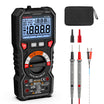
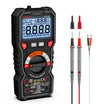
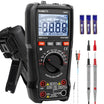

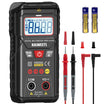
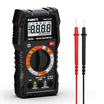

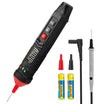


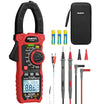
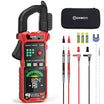





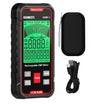


In this guide, you will learn how to measure DC amps with a multimeter correctly, how to choose the right input jack, which mistakes to avoid, and when a DC clamp meter may be a better option.
This guide is intended for low-voltage DC circuits, such as battery-powered devices and other small DC test circuits. To measure current, the multimeter must be connected in series so current flows through the meter. Never place a multimeter set to current mode directly across a battery, DC power supply, or household outlet.
What Are DC Amps?
Amps, or amperes, measure electrical current. Current describes the flow of electric charge through a circuit.
DC stands for direct current. In a DC circuit, current flows in one direction. Batteries, portable electronics, automotive accessories, and many small electronic devices use DC power.
Current is different from voltage and power:
| Measurement | What It Describes | Common Unit |
|---|---|---|
| Current | The flow of electric charge | Amps (A) |
| Voltage | The electrical potential difference between two points | Volts (V) |
| Power | The rate at which electrical energy is used | Watts (W) |
In a simple resistive DC circuit, current can be estimated using Ohm’s law:
Current = Voltage ÷ Resistance
Electrical power is calculated differently:
Power = Voltage × Current
Understanding this difference is important before you begin using a multimeter to measure DC amps.
What You Need to Measure DC Amps
Before you begin, prepare the following items:
- A digital multimeter that can measure DC current
- A battery-powered circuit with a small load, such as a lamp or motor
- Insulated alligator clips, if needed, for stable connections
- The user manual for your multimeter
Before taking a measurement, check that the test leads are not damaged and confirm that the expected current is within your multimeter’s rated range.
New to the dial, input jacks, and basic measurement modes? Our How to Use a Multimeter guide can help you get familiar with the tool before measuring current.
How To Measure DC Amps With A Multimeter?
REQUIRED TOOLS:
You will need some essential tools to measure DC amps with a multimeter. These include:
A digital multimeter (DMM), preferably one that can measure up to 10 amps.
- Alligator clips
- A power source (battery or wall outlet)
- A resistor of appropriate size (determined by the power source and measured current)
You may also want to invest in safety equipment, such as eyewear and gloves, in case of accidents. Make sure you read the instructions carefully before attempting this procedure. It is not recommended for inexperienced users. Once you have all the necessary tools, you can measure DC amps with a multimeter!
STEP 1: Prepare Your Multimeter

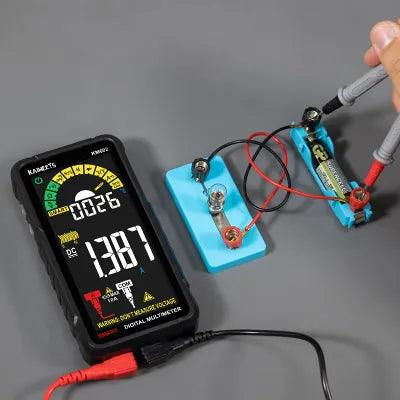
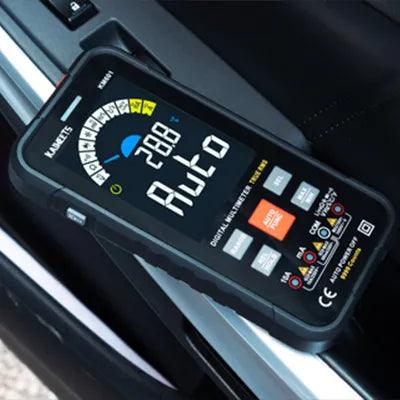
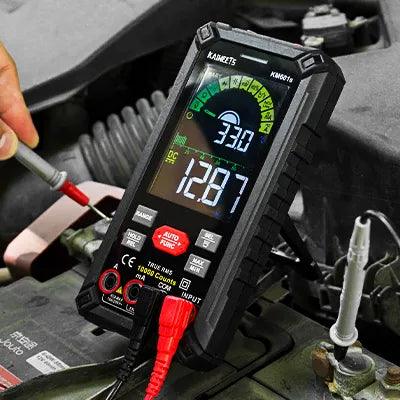
Before measuring DC amps, ensure your multimeter is correctly set up. Plug in your black probe in the "COM" port and plug in your red probe in the port labeled "A" or "10A". Set the multimeter to the closest DC Amp range for the device specifications.
STEP 2: Connect Your Alligator Clips
Now it is time to connect your alligator clips. Place them on the appropriate terminals of your power source and ensure they are firmly attached. Make sure to check that all connections are secure before proceeding further.
STEP 3: Select The Resistor Type
The resistor type is an essential part of the process. Depending on your power source and the measured current, you must select a resistor of the appropriate size.
STEP 4: Place Probes And Check The Meter Screen
Now that everything is in place, it's time to measure DC amps with the multimeter. Place the probes on the appropriate terminals and check the meter screen for results. Make sure to record all readings so that you can compare them later on.
STEP 5: Remove Alligator Clips And Recording Results
Once you have recorded your measurements, remove the alligator clips from their respective terminals. This will help ensure the safety and accuracy of your measurement results. Lastly, record all results in your notebook or a digital document for reference.
That's it! You have successfully measured DC amps with a multimeter. Keep all tools and equipment safe if you need to use them again. Now that you know the process, start measuring DC amps like a pro!
How to Measure DC Amps With A Clamp Meter
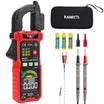
Measuring DC Amp with a clamp meter is easier and more convenient than a multimeter, as it allows you to measure current up to 1000A and typically down to 40A. This makes it possible to get highly accurate readings even in conditions where standard multimeters might struggle.
Before attempting any measurements, you must read through the safety information provided by your manufacturer first. Once familiarized with safe handling, follow these steps for measuring DC Amps with a clamp meter:
Prepare your clamp meter:
- Make sure you use the correct settings and range for the measurement.
- Check that the clamp meter's jaws are closed so no current can leak.
Attach the probe cables to their corresponding ports on the clamp meter:
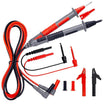
- A black cable should be attached to COM (common/ground) port, while a red cable should be connected to the VΩmA port. Leave any other ports unused.
Place the clamp around one of the conductors that you wish to measure:
- Ensure it is securely fixed around the conductor to get an accurate reading. Depending on the type of clamp meter, you may need to slide it onto the conductor or use a lever to open and close the jaws.
Read your results:
- Once clamped around the conductor, read off the readings from the display. Depending on your clamp meter model, you may have access to other functions, such as a low pass filter (LPF), which can help reduce noise interference in measurements.
Record your results:
- Once done measuring, record all readings with notes about conditions during measurement (e.g., temperature). This will be useful for future reference and data analysis purposes.

Tips:
- Make sure the clamp meter is well grounded before taking any measurements.
- When measuring AC Amps, use a clamp meter with an alternating current (AC) rating.
- Wear protective gloves and safety glasses when handling the clamp meter.
- Place the clamp around a single conductor for more accurate readings and avoid simultaneously putting it around multiple wires.
Using a clamp meter for DC Amp measurement is an easy and efficient way of getting highly accurate readings in conditions that may be difficult to measure with standard multimeters. With the steps provided above, you should be able to get reliable results from your clamp meter quickly and safely. However, remember to refer to your device's instructions before starting any measurements.
Frequently Asked Questions:
What is the proper way to measure DC amps with a multimeter?
Select an appropriate multimeter range for your measurement to correctly measure DC amps with a multimeter and connect the meter in series between the positive source and load. Then, adjust the selector switch on the meter to its highest DC current setting. When measuring higher currents, use a shunt to handle those current levels so as not to overload or damage the meter.
Is there any risk of damaging my multimeter while measuring DC amps?
Yes, if you are not careful when selecting an appropriate current range for your measurement, it is possible to exceed the maximum rated current of the multimeter and damage it. Therefore, using a shunt when measuring higher current levels is essential to protect the meter from overloading or damage.
How can I increase my accuracy when measuring DC Amps?
To increase your accuracy, take a few readings and then average them. This will help reduce any errors caused by fluctuations in voltage or resistance within a given circuit. You should also double-check your settings on the multimeter before taking readings to ensure they are correct for measuring DC Amps.
What safety precautions should I take when measuring DC Amps?
Wear appropriate safety gear (insulated gloves and goggles) when measuring DC Amps. Additionally, always double-check that your test leads are securely connected to the circuit and do not come into contact with each other before taking a reading. You should also be aware of potential hazards, such as exposed wires or loose connections, that could lead to electric shock.
What does it mean if my multimeter reads "OL"?
If your multimeter displays "OL," the current is too high for the range setting on your meter. To resolve this issue, adjust the dial to a higher range setting and try again.
What should I do if my multimeter display is blank?
If your multimeter display is blank, it may be due to a low battery or a faulty connection. Check the battery and any external connections first before continuing with your measurement. If these solutions don't work, contact the manufacturer for further assistance.
Conclusion:
Finally, measuring DC amps with a multimeter and clamp meter is a simple and accurate method. When using a multimeter or clamp meter, it is essential to follow safety guidelines, as misusing them can result in incorrect readings or even physical harm. Always double-check the accuracy of the measurement data before taking any action based on them. With some effort and patience, you'll soon be able to measure DC amps easily.

Leave a comment
All comments are moderated before being published.
This site is protected by hCaptcha and the hCaptcha Privacy Policy and Terms of Service apply.