

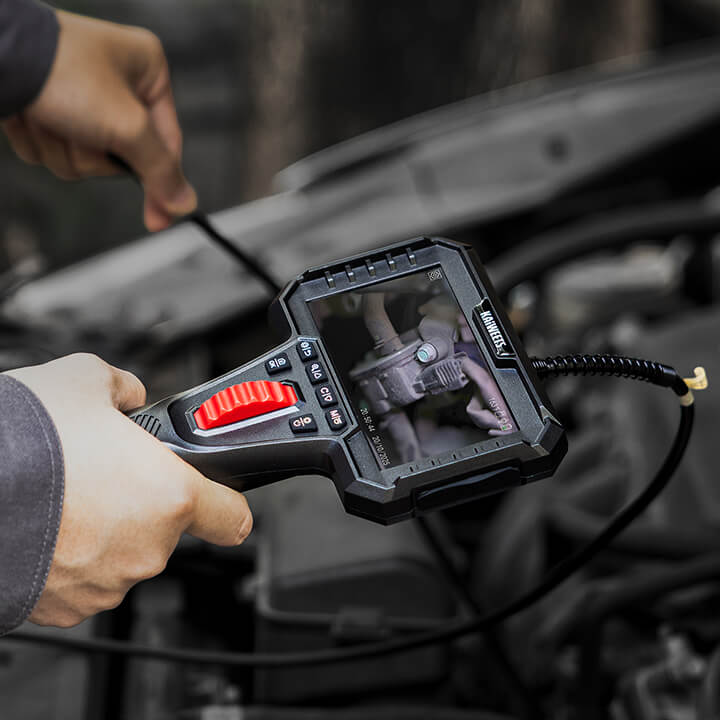










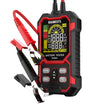





The fuel rail pressure sensor (FRPS) is a small but critical component of the fuel system of a car. It sends real-time data to the Engine Control Unit (ECU) to adjust fuel injector pulse width and timing. A malfunctioning sensor disrupts the air-to-fuel ratio, leading to poor combustion, increased emissions, and potential engine damage.
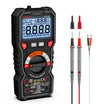
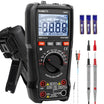
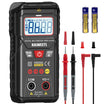
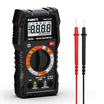
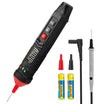
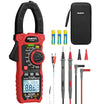
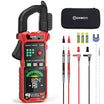
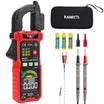
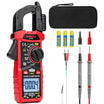
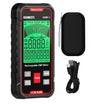
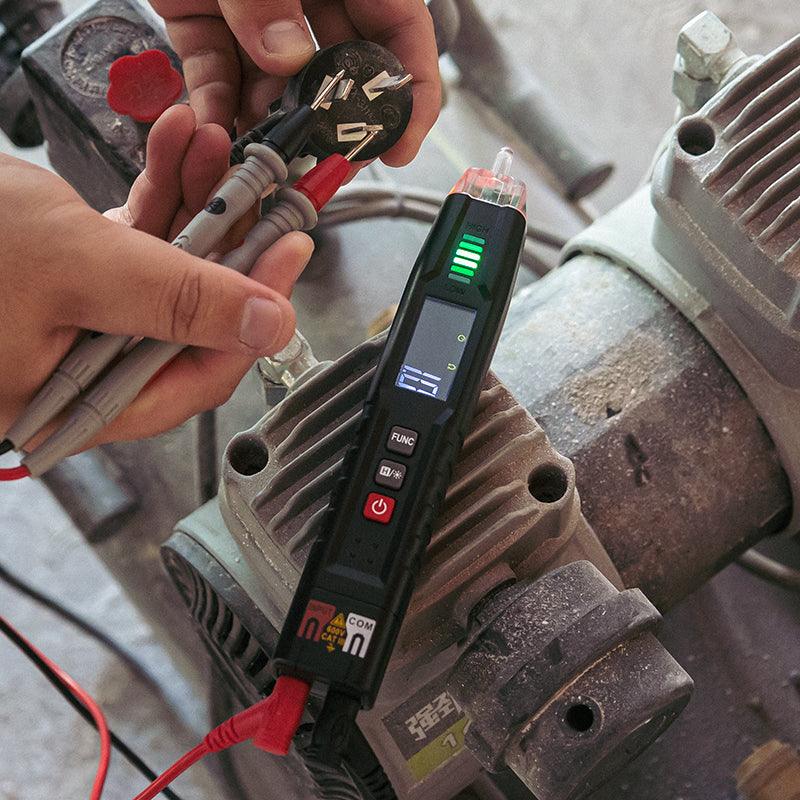
This guide provides a professional walkthrough on how to quickly diagnose a fuel rail pressure sensor using a digital multimeter. For those new to electrical diagnostics, reviewing a how to use a multimeter guide to understand basic functions is a helpful first step.
Common Fuel Sensor DTCs
Unlike mechanical parts, FRPS failure is usually electrical or internal. If your sensor is failing, your car’s computer will typically store one of the following Diagnostic Trouble Codes (DTCs):
| Code | Meaning | Potential Cause |
| P0190 | Fuel Rail Pressure Sensor Circuit Malfunction | General circuit failure, often a blown fuse or damaged wiring. |
| P0191 | Fuel Rail Pressure Sensor Range/Performance | The sensor is sending a signal, but it’s irrational compared to other engine data. |
| P0192 | Fuel Rail Pressure Sensor Circuit Low Input | The signal voltage is stuck near 0V, suggesting a short to ground or a dead sensor. |
| P0193 | Fuel Rail Pressure Sensor Circuit High Input | The signal voltage is stuck at 5V, indicating an open circuit or a failed ECU reference. |
| P0194 | Fuel Rail Pressure Sensor Circuit Intermittent | The signal is dropping out sporadically, likely due to a loose connector or frayed wire. |
- Tip: If you see P0171 (System Too Lean) or P0174 along with these codes, it confirms that the faulty sensor is causing the engine to struggle with its air-to-fuel ratio.
What Can Cause a Fuel Rail Pressure Sensor to Fail?
The fuel rail pressure sensor is responsible for monitoring the pressure of the fuel in the fuel injectors. If the sensor is not working properly, it can cause the engine to run erratically or even stall. There are a few things that can cause the sensor to fail, including:
- A build-up of dirt or debris on the sensor
- A loss of power to the sensor
- A short circuit in the sensor
- A faulty connection to the sensor
If you suspect that your fuel rail pressure sensor is failing, it's important to have it checked out by a professional as soon as possible. Otherwise, you may end up stranded on the side of the road with an engine that won't start.
Signs and Symptoms of a Faulty Fuel Rail Pressure Sensor
Before testing, identify these common "red flags":
- Hard Starting: The engine cranks longer than usual before firing.
- Misfiring & Hesitation: Jerking during acceleration due to "lean" fuel mixtures.
- Limp Mode: The ECU limits RPMs to protect the engine.
- Drastic MPG Drop: The sensor incorrectly signals low pressure, causing the ECU to over-inject fuel.
How to test the fuel rail pressure sensor with a multimeter?
- Identify the Wires: Most sensors have three wires: 5V Reference, Ground, and Signal.
- Test the Reference Voltage: Turn the ignition to 'ON' (engine off). Set your multimeter to DC Volts. Probe the reference wire; it should read a steady 5.0 Volts.
- Test the Signal Wire (Static): Back-probe the signal wire. At zero pressure (Engine Off), it should read approximately 0.5V.
- Test the Signal Wire (Dynamic): Start the engine. As the fuel pump builds pressure, the voltage should climb.
- At Idle: Look for 1.2V to 1.5V.
- Snap Acceleration: Briefly rev the engine; the voltage should jump toward 3.5V - 3.8V.
- If the voltage stays stuck at 0V or 5V regardless of engine speed, the sensor is dead.

How to replace a fuel rail pressure sensor if necessary?
Fuel systems are under high pressure. Removing a sensor without depressurizing the system can cause a high-pressure gasoline spray.
If your car is having trouble starting, or if the engine is sputtering and misfiring, it could be a sign that the fuel rail pressure sensor needs to be replaced.
In order to do this, you'll need to first locate the sensor, which is usually located on the fuel injector rail. Once you've found it, you'll need to disconnect the electrical connector and then remove the retaining clip or bolts. After that, you can simply pull out the old sensor and insert the new one in its place. Be sure to reconnect the electrical connector and secure the retaining clip or bolts before starting your car's engine. If you're not comfortable performing this task yourself, be sure to take your car to a qualified mechanic for assistance.
If you suspect that your fuel rail pressure sensor is failing, it's important to have your vehicle checked out by a professional as soon as possible. A failing sensor can cause a number of problems, so it's important to get it fixed before any further damage is done.
Tips for maintaining your car's engine and preventing common problems
Preventing sensor and fuel system issues starts with basic maintenance:
- Check Engine Oil Regularly: Clean oil prevents sludge that can impact overall engine vacuum and sensors.
- Service the Cooling System: Overheating can cause plastic sensor housings to crack or warp.
- Use High-Quality Fuel: Top-tier gasoline contains detergents that prevent carbon build-up on sensor tips.
- Annual Tune-ups: Regularly checking for vacuum leaks and cleaning electrical connectors can prevent premature sensor failure.
- Inspect Harnesses: Ensure the wiring is secured away from high-heat areas like the exhaust manifold to prevent insulation melting.
Frequently Asked Questions
How many volts should be in the fuel rail pressure sensor?
The answer to this question can vary depending on the engine's speed. For example, when an engine is stationary, the voltage will be around 0.5 volts. However, during periods of idling, the voltage will drop to approximately 1.32 volts. Under conditions of snap acceleration, the voltage will increase to approximately 3.77 volts. Plus or minus a few tenths of a volt is considered the normal range for all these readings. So if you're noticing anything outside of that range, it could be indicative of a problem with your fuel rail pressure sensor.
What happens if the fuel rail pressure sensor is unplugged?
If the fuel rail pressure sensor is unplugged, the pump will run at a set speed and may cause the engine to run at reduced power and throttle. This can lead to decreased fuel economy and increased emissions. It is therefore important to ensure that the sensor is properly connected and functioning before operating the vehicle.
How do I know if my fuel sensor is bad?
If your car is having trouble starting, stalling, or running rough, it may be time to check your fuel sensor. A bad fuel sensor can cause all sorts of engine performance issues, so it's important to know how to spot one. Here are a few signs that your fuel sensor may be going bad:
- Your car is hard to start
- Your car stalls frequently
- Your car runs rough
- Your check engine light is on
If you notice any of these issues, it's a good idea to take your car to a mechanic and have them check the fuel sensor. They can diagnose the problem and let you know if the sensor needs to be replaced.
Conclusion:
In conclusion, testing your fuel rail pressure sensor is a relatively easy process that can be done at home with a multimeter. By following the steps above, you can quickly and easily test your sensor to see if it is functioning properly. If you find that your sensor is not working as it should, then you will need to replace it.



Leave a comment
All comments are moderated before being published.
This site is protected by hCaptcha and the hCaptcha Privacy Policy and Terms of Service apply.