





















What Is a Relay?
A relay is a switch that opens or closes a circuit when it receives an electrical control signal. The control side and the load side are usually separate, which makes the relay useful for isolation and control.
In a basic electromechanical relay, the control signal energizes a coil. The coil creates a magnetic field, which moves a small metal armature. That movement opens or closes the contacts connected to the load circuit.
Not all relays are mechanical. A solid state relay performs the same basic switching job without moving contacts. It uses semiconductor components instead.
For current safety and design references, electromechanical relays are commonly covered by standards such as IEC 61810-1. Solid state relays are covered by standards such as IEC 62314.
How Does a Relay Work?
A relay works by using a small control signal to change the state of a separate switch. In an electromechanical relay, that change happens through magnetism.
- A voltage is applied to the relay coil.
- The coil produces a magnetic field.
- The magnetic field pulls the armature.
- The contacts change position.
- The load circuit turns on or off.
- When coil power is removed, the spring returns the contacts to their resting state.
The resting state matters. A normally open contact stays open until the coil is energized. A normally closed contact stays closed until the coil is energized.
What Parts Are Inside an Electromechanical Relay?
A standard electromechanical relay uses a coil, an armature, contacts, a spring, and a frame. These parts work together to turn an electrical signal into physical switching movement.
- Coil: The coil receives the control voltage and creates the magnetic field.
- Armature: The armature moves when the coil is energized.
- Contacts: The contacts open or close the load circuit.
- Spring: The spring returns the relay to its normal position.
-
Frame or yoke: The frame supports the moving parts and magnetic path.

The coil and contacts are separate parts of the relay. This separation is one reason relays are useful in control circuits.
What Are the Main Types of Relays?
The main relay types are electromechanical relays, automotive relays, and solid state relays. Each type suits a different switching need.
| Relay type | How it switches | Best used for |
|---|---|---|
| Electromechanical relay | Coil and moving contacts | General control circuits |
| Automotive relay | 12V or 24V coil with load contacts | Vehicle electrical systems |
| Solid state relay | Semiconductor switching | Fast or frequent switching |
Electromechanical Relays
An electromechanical relay uses a coil to move physical contacts. It is simple, cost-effective, and easy to understand.
This type is still widely used because it gives clear electrical isolation between the control circuit and the load circuit. The tradeoff is that the contacts can wear over time.
Automotive Relays
An automotive relay lets a low-current vehicle switch control a higher-current circuit. This helps reduce stress on switches and keeps heavy current out of the dashboard wiring.
Most common automotive relays use a 12V coil in passenger vehicles. Heavy-duty vehicles may use 24V systems. Bosch, for example, lists automotive relay families for different current ranges, from compact micro relays to high-current power relays.
PCM Relay
A PCM relay supplies power to the powertrain control module circuit when the vehicle is turned on. In many vehicles, this relay is part of the power distribution system.
A failed PCM relay can cause a no-start condition. It can also cause intermittent power loss to the engine control system. Before replacing a control module, check fuses, grounds, wiring, and recalls.
For safety-related vehicle recalls in the United States, the NHTSA recall lookup tool lets vehicle owners search by VIN or license plate.
Fuel Pump Relay
A fuel pump relay controls power to the fuel pump. It usually turns the pump on when the ignition is switched on or when the engine computer commands fuel pressure.
One common check is to listen for a short fuel pump prime when the key is turned on. No sound does not prove the relay is bad. The fuse, pump, wiring, or control signal may also be the cause.
ASD Relay
An ASD relay, or automatic shutdown relay, is used on some vehicles to control power to key engine circuits. It is often associated with ignition and fuel control.
When the engine computer detects a serious fault, it may shut down the relay output. This can stop power from reaching the affected circuit.
Solid State Relays
A solid state relay switches without moving mechanical contacts. It uses semiconductor components to turn the load circuit on or off.
Solid state relays are useful when switching needs to be fast or frequent. They do not have contact bounce, but they can produce heat. Many designs need proper heat sinking.
A solid state relay is not the same thing as a wet contact relay. “Wet contact” and “dry contact” describe how a contact circuit is powered. They are wiring terms, not names for solid state relays.
DHCP Relays
A DHCP relay is a networking term, not an electrical relay. It forwards DHCP messages between clients and servers on different subnets.
This term appears in IT and network administration. It should not be confused with a relay used in an electrical circuit.
How Do You Test a Relay With a Multimeter?
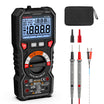
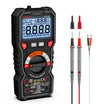
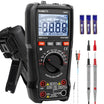
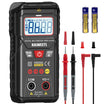
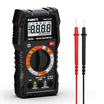
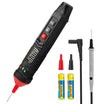
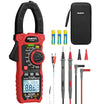
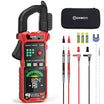
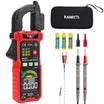
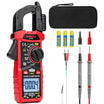
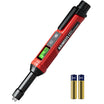
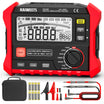
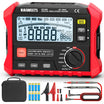
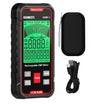
You can test many basic relays by checking the coil and the contact path with a digital multimeter. Always remove power before using resistance or continuity mode.
- Identify the coil terminals from the relay diagram.
- Set the multimeter to resistance mode.
- Measure across the coil terminals.
- Check the relay datasheet for the expected coil resistance.
- Switch to continuity mode.
- Check the normally open and normally closed contacts.
- Apply the correct coil voltage only if you know the relay rating.
- Confirm that the contacts change state.
If the coil reads open, the relay coil may be damaged. If the contacts do not change state, the relay may be stuck or worn.
Do not test household mains circuits unless you are qualified to do so. Use a properly rated meter and follow local electrical safety rules.
What Relay Terms Should You Know?
The most useful relay terms describe the contact position and circuit behavior. Understanding these terms helps you read relay diagrams more accurately.
| Term | Meaning |
|---|---|
| NO | Normally open. The contact is open when the coil is not energized. |
| NC | Normally closed. The contact is closed when the coil is not energized. |
| COM | Common terminal. This is the moving contact connection. |
| Coil voltage | The voltage required to energize the relay coil. |
| Contact rating | The voltage and current the contacts are designed to switch. |
Never choose a relay by coil voltage alone. The contact rating must also match the load.
How Do You Choose the Right Relay?
You choose the right relay by matching the coil, contacts, load type, and operating environment. The datasheet should confirm each of these points.
- Coil voltage: Match it to the control circuit.
- Contact rating: Match it to the load voltage and current.
- Load type: Check whether the load is resistive or inductive.
- Contact form: Choose NO, NC, or changeover contacts.
- Environment: Consider heat, vibration, and enclosure needs.
Inductive loads need extra care because they can create voltage spikes when switched off. A relay driver circuit may use a diode, snubber, or other protection method depending on the design.
Conclusion
A relay is a small control device with an important job. It lets one circuit switch another circuit without carrying the load current through the control switch.
Electromechanical relays are easy to test and widely used. Solid state relays are better for fast switching. Automotive relays are built for vehicle electrical systems.
When troubleshooting a relay, do not replace parts blindly. Check the fuse, wiring, control signal, and load circuit first. In vehicles, also check for recalls before replacing expensive control modules.
FAQ
What is the main purpose of a relay?
The main purpose of a relay is to let a small control signal switch a separate load circuit. This makes control circuits safer and easier to design.
Is a relay the same as a switch?
A relay is a type of switch, but it is controlled electrically. A regular manual switch is controlled by physical action.
What is the difference between an electromechanical relay and a solid state relay?
An electromechanical relay uses moving contacts. A solid state relay uses electronic components and has no moving switch parts.
Can a multimeter test a relay?
Yes, a multimeter can test the relay coil and contact continuity. It cannot always confirm how the relay behaves under real load.
What does normally open mean on a relay?
Normally open means the contact is open when the relay coil is not energized. The contact closes when the coil receives power.
What does normally closed mean on a relay?
Normally closed means the contact is closed when the relay coil is not energized. The contact opens when the coil receives power.
Is a DHCP relay an electrical relay?
No, a DHCP relay is a networking function. It forwards DHCP messages between different network segments.
Dig deeper:

Leave a comment
All comments are moderated before being published.
This site is protected by hCaptcha and the hCaptcha Privacy Policy and Terms of Service apply.