
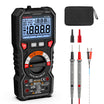
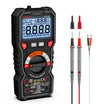
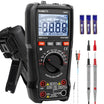

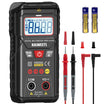



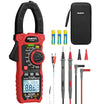
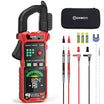
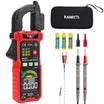
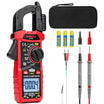

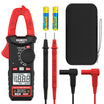




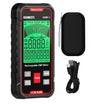


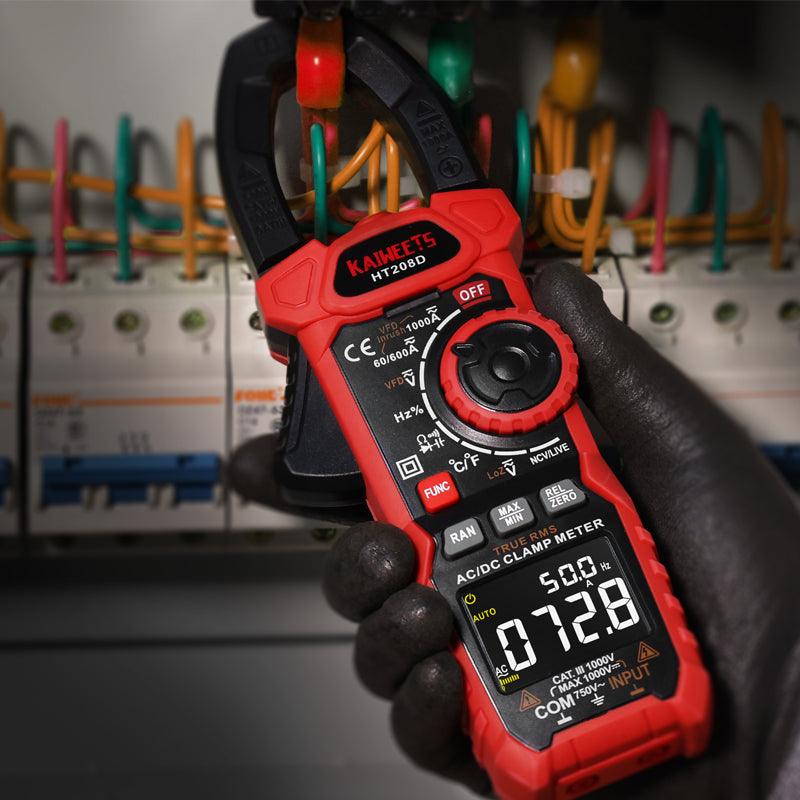
A clamp meter is one of the safest and most convenient tools for measuring current, or amps, in an electrical circuit. Amps, or amperes, are the units used to measure current. By clamping the jaws around a single conductor, the meter can detect current flow without requiring direct contact with a live wire or breaking the circuit. This makes clamp meters especially useful in crowded panels, breaker boxes, and other hard-to-reach areas.
Most clamp meters are designed to measure AC current, while some models can also measure DC current. Depending on the model, a clamp meter may also measure voltage, resistance, continuity, frequency, and other electrical values. However, its main advantage is fast, safe current measurement.
If you want to measure amps with a clamp meter correctly, it is important to follow the right steps and avoid common mistakes.
How to Measure Current With a Clamp Meter
Before taking a reading, always follow basic electrical safety practices. Wear appropriate personal protective equipment when necessary, inspect the meter for damage, and confirm that the meter is rated for the environment and voltage level you are working in.

Follow these steps to measure amps with a clamp meter:
1. Turn on the circuit
The circuit must be energized for the clamp meter to detect current flow. If there is no current flowing through the conductor, the meter will not show a meaningful reading.
2. Set the meter to the correct current mode
Turn the dial to the appropriate current setting. Choose AC current or DC current, depending on the type of circuit and the capabilities of your clamp meter.
3. Open the clamp jaws
Press the jaw release to open the clamp.
4. Clamp around one conductor only
Place the jaws around a single insulated conductor. This is very important. Do not clamp around an entire cable containing both hot and neutral conductors, because the magnetic fields will cancel each other out and the reading may be zero or inaccurate.
5. Close the jaws fully
Make sure the jaws are completely closed before taking the measurement. For best accuracy, keep the conductor as centered in the jaws as possible.
6. Read the measurement
Check the display to see the current flowing through the conductor. If the reading is lower or higher than expected, confirm that you selected the correct mode and clamped around only one conductor.
7. Remove the meter safely
Once the reading is complete, open the jaws and remove the clamp meter carefully from the conductor.
Common Mistakes to Avoid
Using a clamp meter is straightforward, but a few common mistakes can lead to inaccurate readings.
Clamping around multiple conductors
A clamp meter should normally measure only one conductor at a time. If you clamp around both the hot and neutral wires together, the opposing magnetic fields can cancel out.
Using the wrong function
Always confirm whether you are measuring AC or DC current. Not all clamp meters support DC current measurement.
Not closing the jaws completely
Even a small gap in the jaws can affect accuracy. Make sure they are fully closed before reading the display.
Measuring outside the meter’s range
Check the clamp meter’s specifications before use. Trying to measure current beyond the rated range may produce inaccurate results or damage the meter.
Ignoring safety precautions
Never use a damaged meter, and never work on exposed live conductors unless you are trained and using proper safety procedures.
Clamp Meter vs Multimeter

A clamp meter and a multimeter can both measure electrical values, but they serve slightly different purposes.
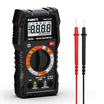
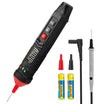
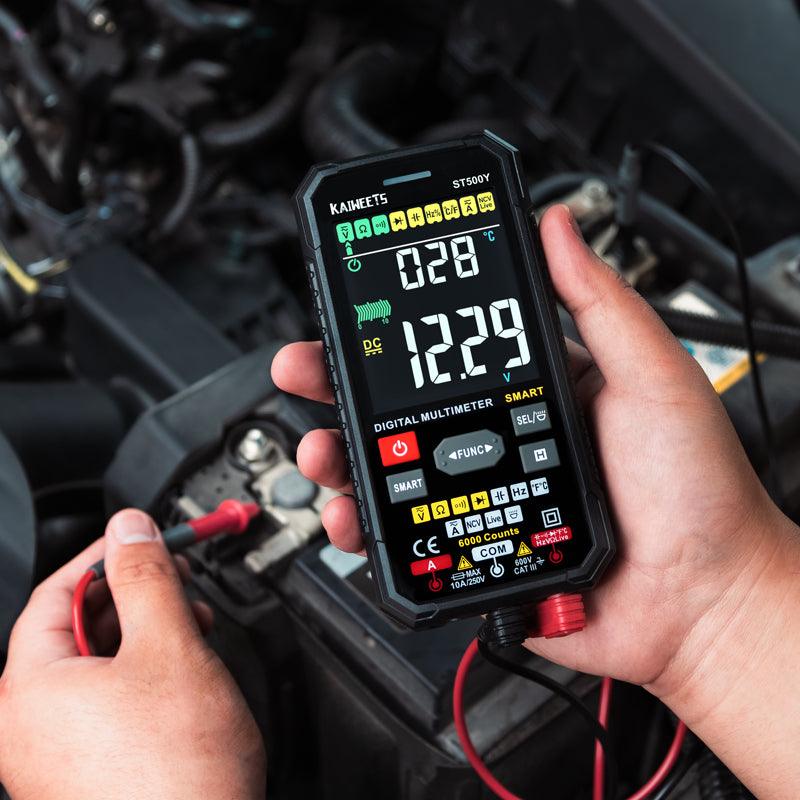
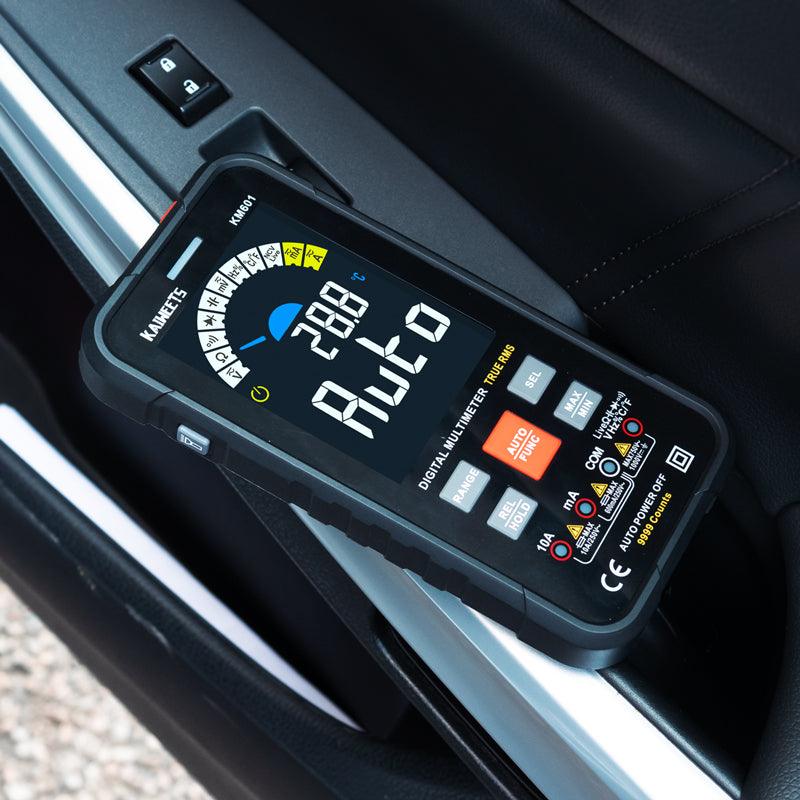
A multimeter is a versatile tool for measuring voltage, resistance, continuity, and sometimes current. However, measuring current with a standard multimeter often requires breaking the circuit and placing the meter in series. If you decide this all-purpose tool is better suited for your project, you can learn the ropes with our comprehensive How to Use a Multimeter: Multimeter 101 Guide for Beginners.
A clamp meter is better suited for measuring current quickly and safely because it allows you to measure current without breaking the circuit. For troubleshooting amperage in live systems, a clamp meter is usually the more convenient choice.
If you need an all-purpose diagnostic tool, a multimeter may be the better option. If your main goal is measuring current, especially in live circuits, a clamp meter is often the better tool.
Can a Clamp Meter Measure DC Amps?
Yes, but only if the clamp meter is designed for DC current measurement. Many basic clamp meters measure AC current only. To measure DC amps, you need a model with a Hall-effect sensor or a dedicated DC current mode.
When measuring DC current, some clamp meters may also require you to zero the reading before use for better accuracy. Always follow the manufacturer’s instructions for proper setup.
How Accurate Are Clamp Meters?
Clamp meters are generally accurate enough for most electrical troubleshooting, maintenance, and installation work. However, accuracy depends on several factors, including:
- the quality of the meter
- whether it is measuring AC or DC current
- conductor position inside the jaws
- jaw closure
- electrical noise in the environment
- the current range being measured
For the best results, use a properly rated meter, clamp around one conductor only, and keep the conductor centered in the jaws.

Leave a comment
All comments are moderated before being published.
This site is protected by hCaptcha and the hCaptcha Privacy Policy and Terms of Service apply.