
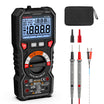
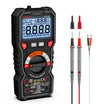
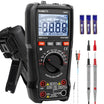

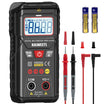
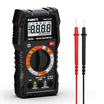

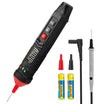


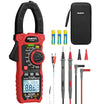
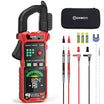
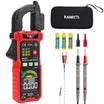
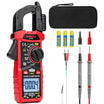

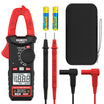

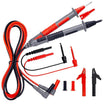



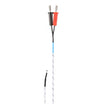
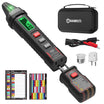
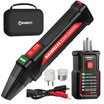
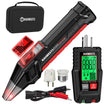
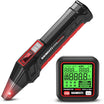
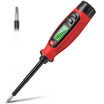
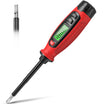

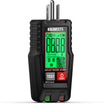
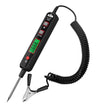
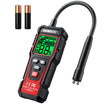
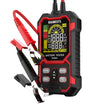
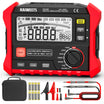
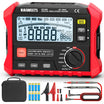
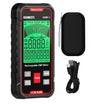

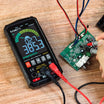
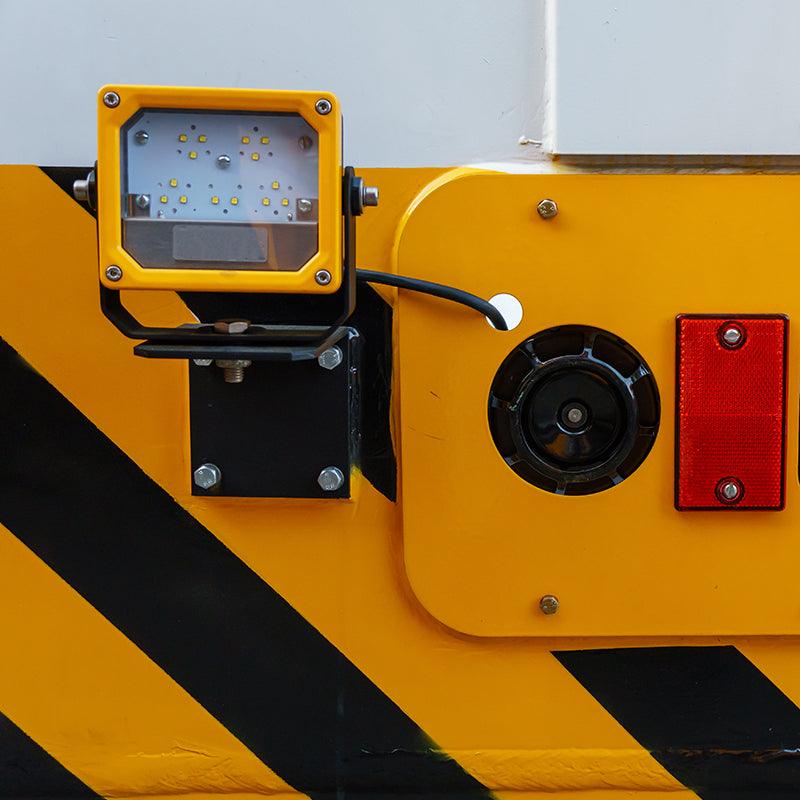
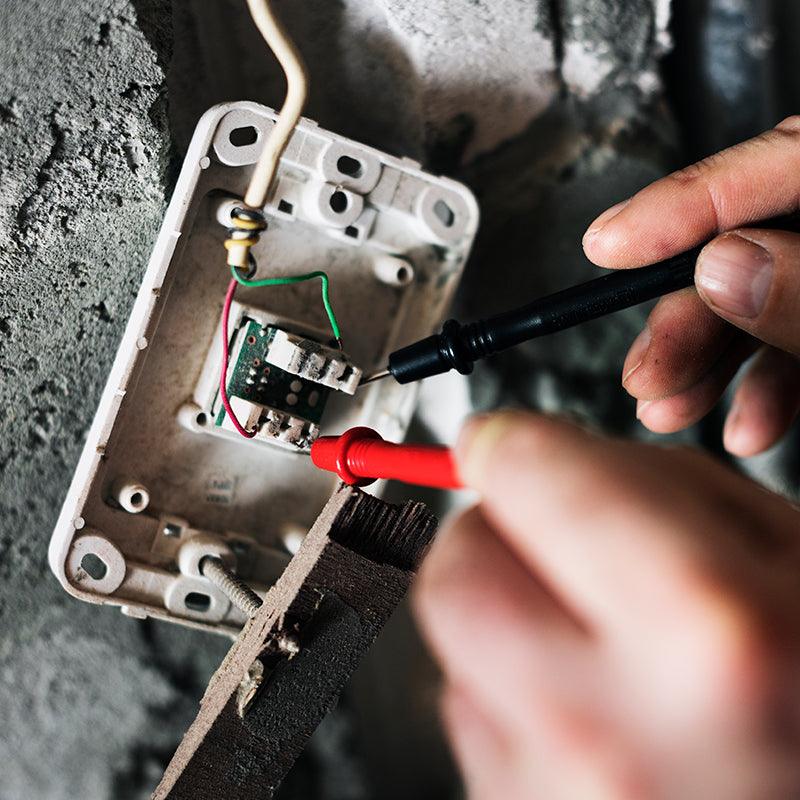
When you're towing a trailer, your trailer lights must be functioning properly. By using a multimeter, you can easily test your trailer lights and make sure they're in good condition. In this article, we'll go you through, how to test your trailer lights with a multimeter. If you need a quick refresher on how to set up your device, check out our multimeter 101 guide for beginners first. Let's get started!
Why Does a Trailer Light Not Work?
A trailer light that is not working could be due to several different potential causes. To determine why a trailer light may not work, it is important to troubleshoot the issue systematically. The following are some common reasons why a trailer light may not be functioning:
Blown bulbs
Check both the tail lights and marker lights for burnt-out bulbs. Try replacing the bulb first before taking further steps in troubleshooting.
Faulty wiring
Inspect the wiring harness running throughout the trailer to make sure there are no broken wires or corrosion on any of the connectors that could prevent electricity from getting through. If any damaged wiring is found, replace it with a new wire and reconnect all connections properly.
Corroded or damaged connector
Moisture, road salt, and dirt can corrode the trailer plug and prevent proper electrical contact. Bent pins or loose terminals can also cause lighting issues.
Poor ground connection
Make sure there is good contact between the trailer frame and the negative terminal of the battery to ensure that electricity can flow properly through the light system. If needed, use sandpaper or steel wool to clean the areas around both connections and reattach firmly until secure.
Blown fuse
To check if this is the cause, use a multimeter to measure continuity across each fuse in your vehicle’s fuse panel, one at a time. If no reading appears on display, replace it with an identical new fuse before trying again.
Faulty light assembly
In some cases, the wiring may be fine, but the lamp socket, LED board, or light assembly itself may be defective.
How do Test Trailer Lights with a Multimeter?
The most effective way to troubleshoot trailer lights is to test the system in stages. Start at the tow vehicle connector, then move to the trailer plug, wiring, ground, and lights.
Step 1: Inspect the connector and wiring visually
Before using the meter, inspect both the vehicle-side connector and the trailer-side plug.
Look for:
- corrosion on the pins
- loose terminals
- damaged insulation
- frayed or pinched wires
- signs of moisture or rust
If the connector is dirty or corroded, clean it before testing.
Step 2: Test the tow vehicle connector for voltage
First, determine whether the tow vehicle is sending power correctly.
Set your multimeter to DC voltage. Connect the black probe to the ground pin on the vehicle-side connector, then use the red probe to test the other pins one at a time.
Check each function while it is activated:
- tail/running lights on
- left turn signal on
- right turn signal on
- brake pedal pressed, if possible
If the connector is working properly, the meter should show voltage on the correct pin when that function is turned on. In most 12V trailer systems, you should see approximately 12 volts, although the exact reading may vary depending on battery condition and whether the engine is running.
If there is no voltage at the vehicle connector, the problem may be on the tow vehicle side, such as a blown fuse, bad ground, damaged socket, or wiring issue.
Step 3: Check the trailer plug and incoming power
If the tow vehicle connector is supplying power correctly, connect the trailer and move to the trailer side.
With the trailer connected and the light function activated, test for voltage at the trailer wiring side if accessible, or at the input wires leading into the trailer harness. This helps confirm whether power is reaching the trailer.
If voltage is present at the vehicle connector but not reaching the trailer wiring, the issue may be:
- a bad trailer plug connection
- corrosion inside the plug
- broken wiring near the plug
- a loose or damaged terminal
Step 4: Test the trailer ground
A poor ground is one of the most common trailer light problems.
Turn the power off. Set the multimeter to continuity or resistance mode. Place one probe on the trailer ground pin or ground wire, and place the other probe on a clean, unpainted section of the trailer frame.
A good ground should show continuity or very low resistance. If there is no continuity or the resistance is too high, inspect the ground wire and its connection point to the frame. Rust, paint, dirt, or corrosion can prevent a proper ground connection.
Clean the grounding point and reconnect it securely if needed.
Step 5: Test voltage at the light assembly
If power is reaching the trailer but a light still does not work, check voltage at the individual light assembly.
Turn on the function you want to test, such as the tail light or turn signal. Set the multimeter to DC voltage and probe the positive wire feeding the light while referencing ground.
If voltage reaches the light but the lamp does not illuminate, the problem may be:
- a bad bulb
- a faulty socket
- a defective LED light assembly
- a poor ground at that light
If there is no voltage at the light assembly, the wiring between the trailer plug and the light may be damaged.
Step 6: Test the bulb or light circuit for continuity
If needed, disconnect power and remove the bulb or isolate the light circuit before testing continuity.
- Use the continuity function to check:
- whether the bulb filament is intact
- whether the wire between two points is broken
- whether a connector or socket has lost contact
This can help confirm whether the fault is in the wire, connector, or light assembly.

Troubleshooting guide for common trailer light issues:
If your trailer lights are not working, the first step you should take is to identify where the issue originates. Oftentimes, issues with trailer lights arise because of a blown fuse or corroded wires. To begin troubleshooting, check the fuses and wiring harnesses on both the tow vehicle and the trailer itself.
If the fuses are intact, then it’s likely that there is an issue with either the wiring or connections between components. Inspect all connectors for signs of corrosion or wear. If any are present, clean them accordingly with steel wool and use an electrical contact cleaner to remove any remaining residue. It may also be necessary to replace connectors if they have become too damaged over time.
In some cases, the trailer lights may be working correctly but are not being recognized by the tow vehicle. This is a common issue if your vehicle has recently had its electrical system serviced or upgraded. To ensure that the wiring harnesses are properly connected, refer to your owner’s manual for specific instructions.
It is important to remember that any modifications made to the trailer lights must comply with local road safety regulations regarding lighting requirements. If you’re unsure of what these regulations entail, it’s best to contact your local Department of Motor Vehicles for more information.
If after troubleshooting all components and connections, you still cannot determine why your trailer lights are not functioning properly, it may be necessary to consult a professional. A technician should be able to diagnose and repair the issue quickly and correctly, ensuring that your trailer lights are compliant with all applicable safety regulations.
Tips for keeping your trailer lights in good condition:
- Inspect your trailer lights before every trip. Check for any fraying wires, broken connections, and any signs of damage.
- Clean the trailer light assemblies regularly with a soft cloth or brush to remove dirt and debris. This will help them remain in top condition.
- Use waterproof connectors when attaching lights to the trailer, as these ensure a tight seal that can withstand moisture and dusty conditions.
- If you plan on taking your trailer off-road, use heavy-duty bulbs and lenses designed for rough terrain. They are built specifically to last longer under extreme conditions.
- Replace any faulty wiring or bulbs immediately, as this can lead to poor lighting performance and potentially dangerous situations on the highway or other roads.
- Use the correct size bulbs and replace them with ones of identical wattage. If you use higher-wattage bulbs, this can cause overheating in the light assemblies and can also lead to electrical shorts or fires.
- Make sure to securely fasten your trailer lights using appropriate mounting hardware, such as nuts and bolts or screws. This will ensure that they remain firmly attached during travel.
- Protect your trailer lights from moisture and dirt by using a protective covering or lens guard when not in use. This will help keep them clean and dry for longer periods.
Safety is always the top priority when it comes to vehicles, so make sure to stay up-to-date on proper maintenance procedures for all components of your trailer. With the right knowledge and care, you can ensure that your trailer lights remain in good working condition for many years to come.
Frequently Asked Questions:
Should I use AC or DC voltage mode?
Use DC voltage mode. Most trailer lighting systems operate on a 12V DC automotive electrical system.
How do I connect the multimeter to my trailer?
First, make sure you disconnect the trailer from any power source such as a car battery or other outlet. Then attach the red lead of the multimeter to one side of the trailer connector and the black lead to the other. If you have a 3-wire trailer, attach the black lead to the ground connector.
How do I know if my trailer light wiring is faulty?
If you get a low reading on your multimeter, then there may be an issue with one of the trailer wires. You should check all connections thoroughly to make sure that none of them are corroded, loose, or damaged. Additionally, you can use the continuity function on your DMM to check for any breaks in the wiring or poor contact points between components. If no issues are found, it could be an issue with the trailer light bulbs themselves and they should be replaced. If the problem persists after replacing bulbs and checking all wiring, then you may need to consult a professional electrician for further assistance.
Final Note:
Testing your trailer lights with a multimeter is an effective way to detect any electrical issues. Doing it regularly will help identify problems before they can become serious, saving you time and money in the long run. If you experience any difficulties or are unsure of how to use a multimeter safely, consult a qualified electrician for assistance. With regular maintenance and testing, your trailer lights should provide reliable performance for years to come.

More Resource:

Leave a comment
All comments are moderated before being published.
This site is protected by hCaptcha and the hCaptcha Privacy Policy and Terms of Service apply.