

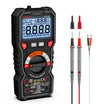
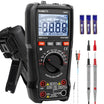

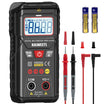
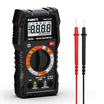

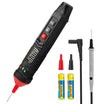







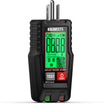
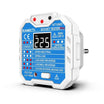
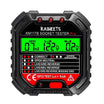
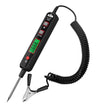
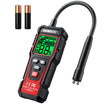
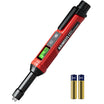
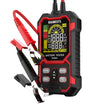





VOLTAGE TESTER
Filters
5 products
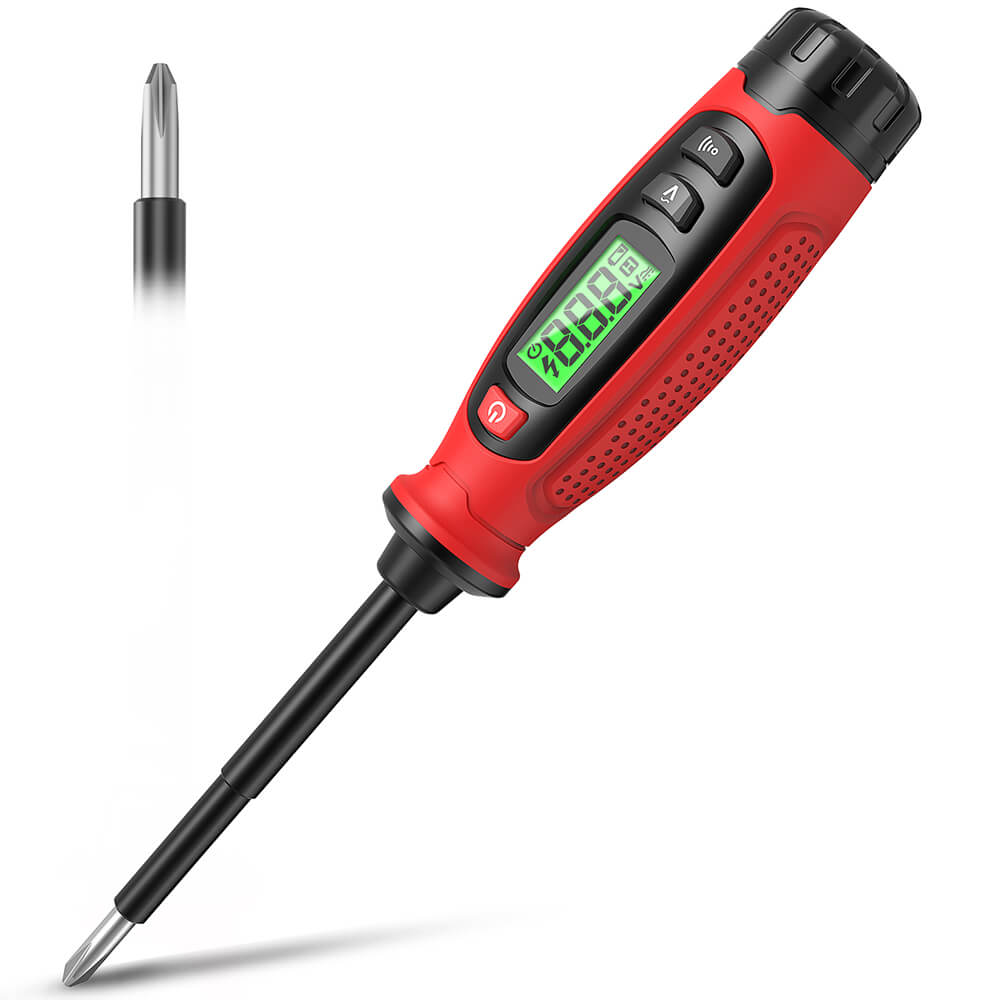
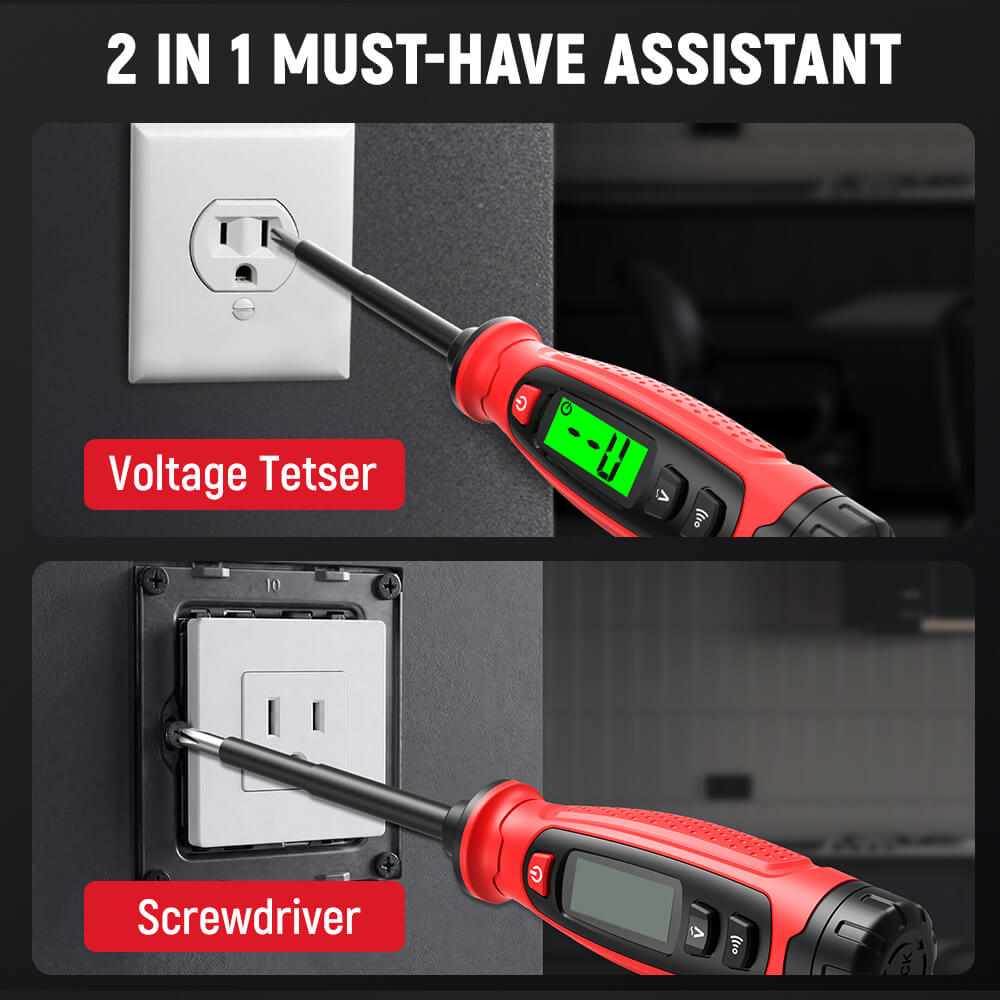
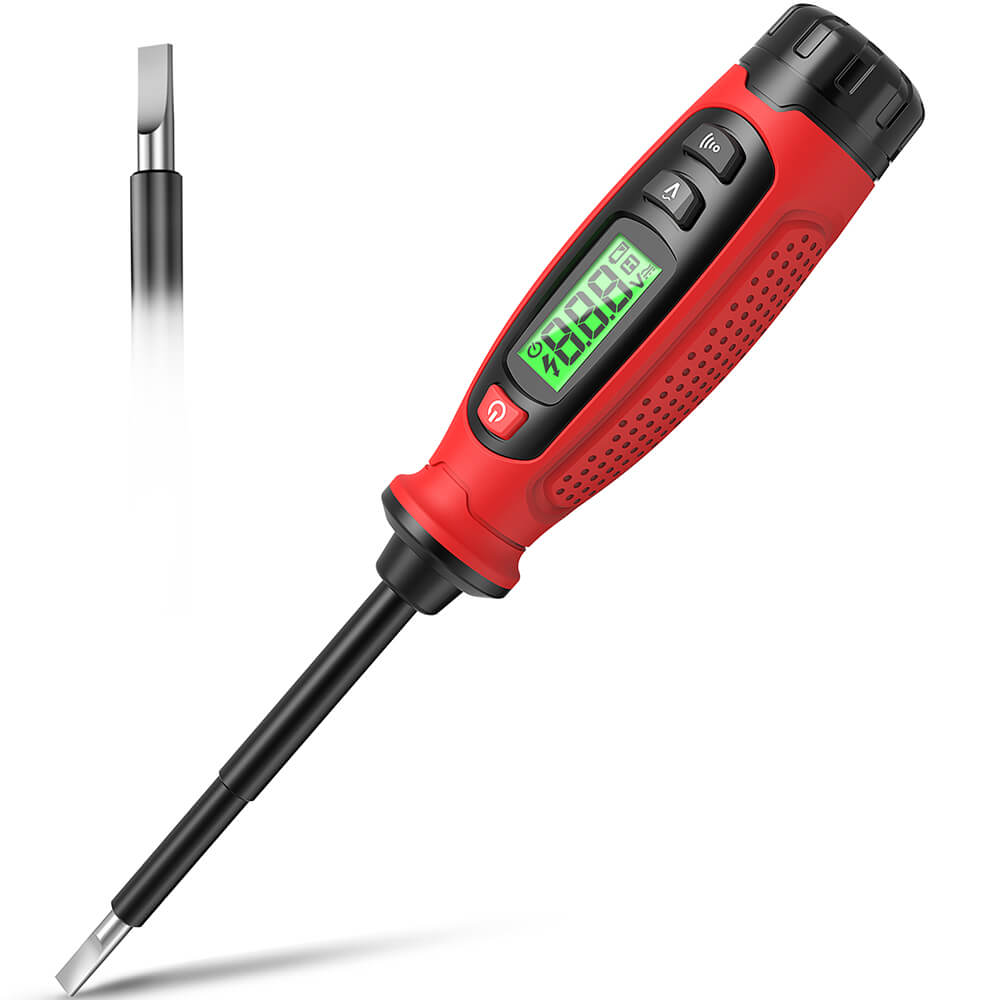
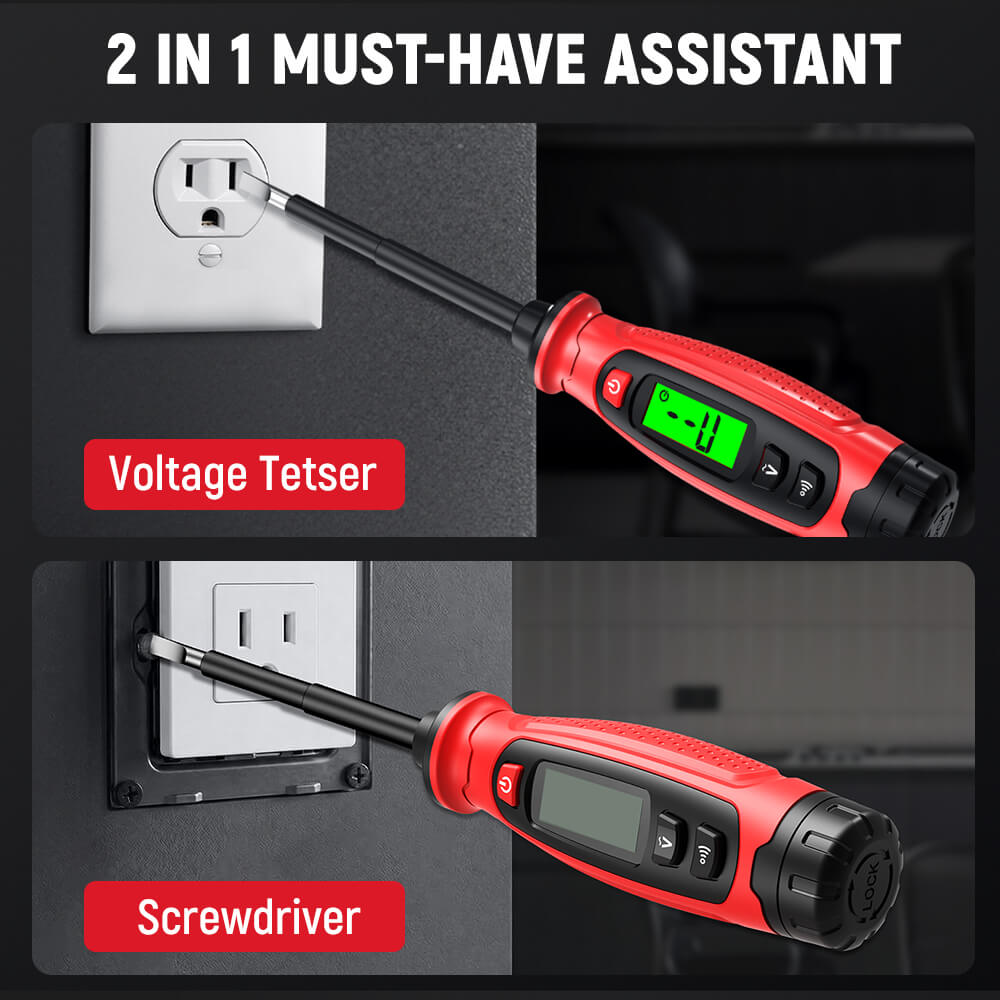
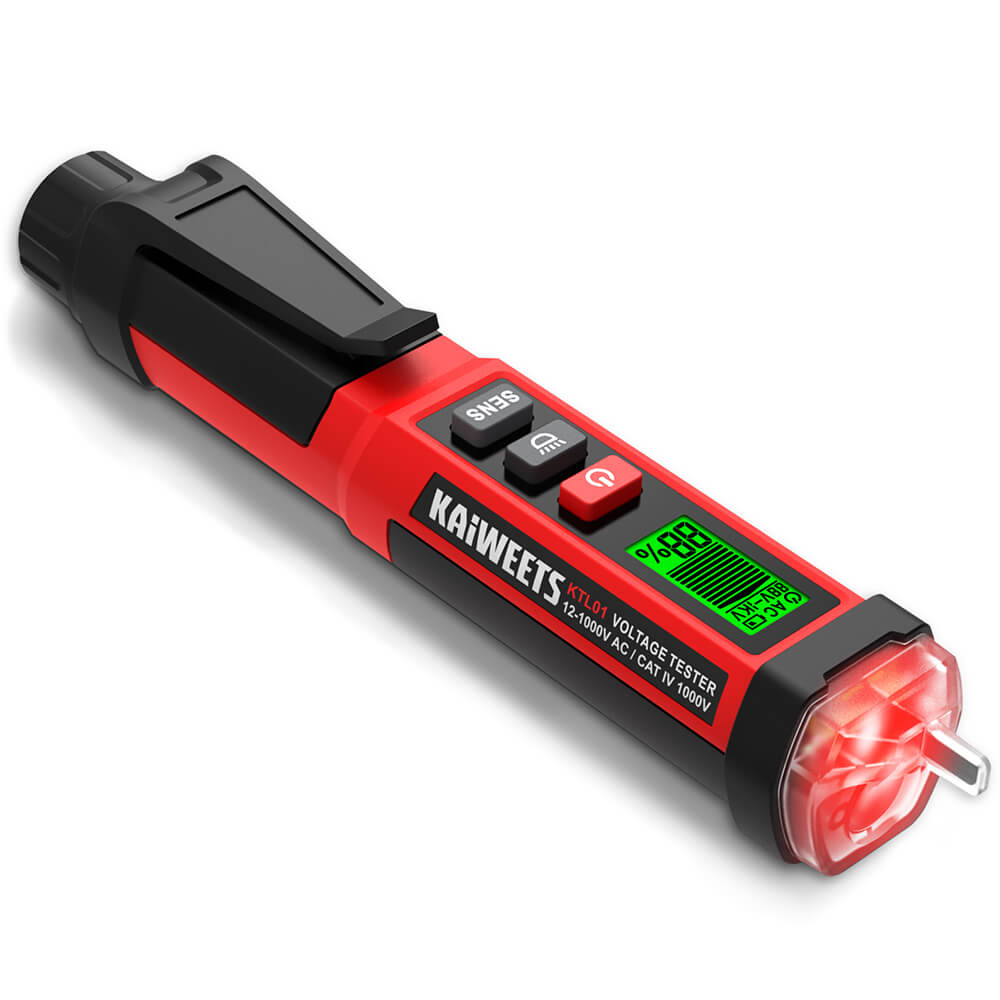
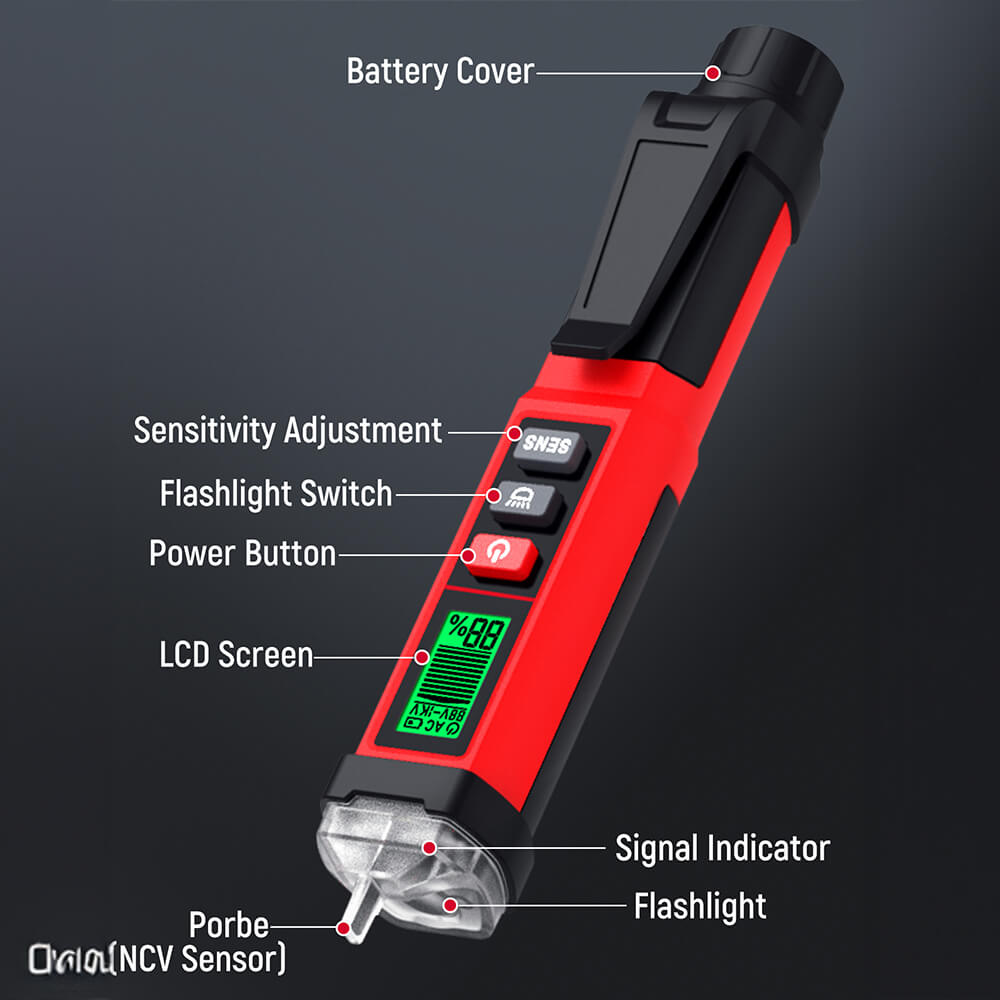
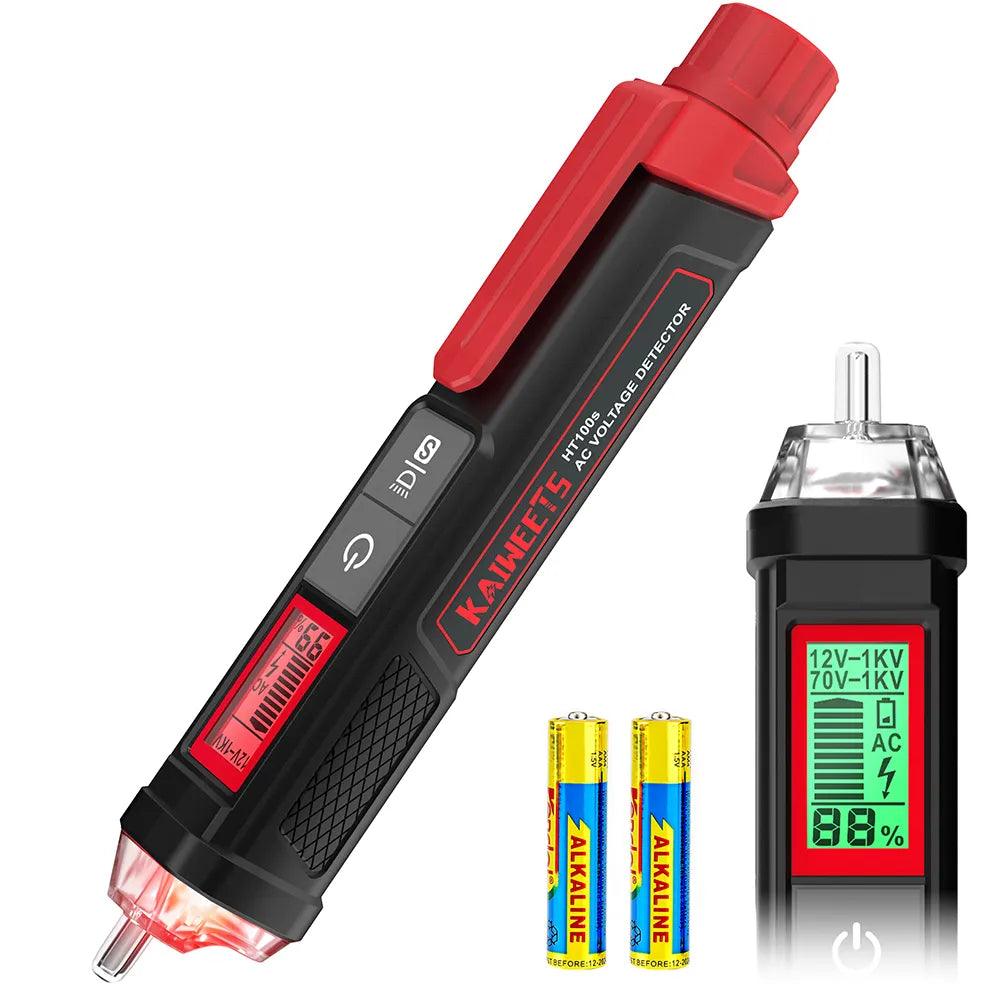
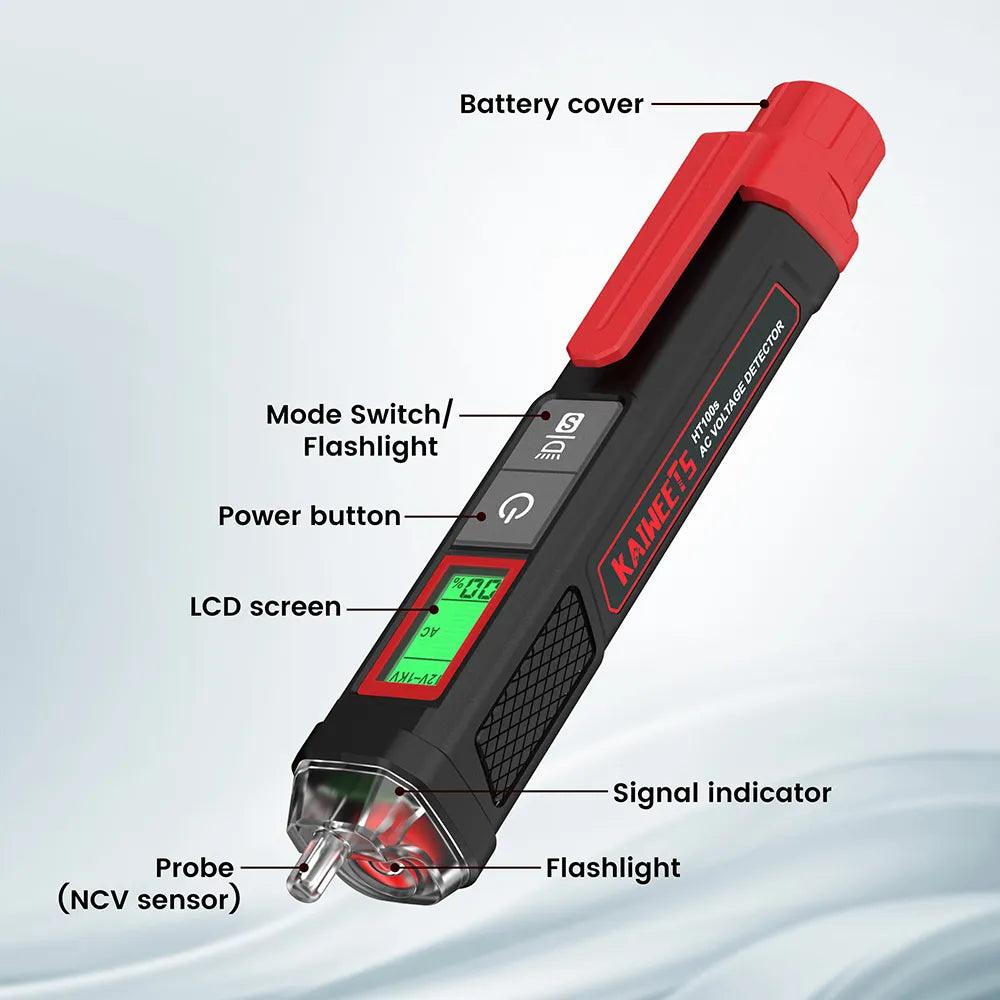
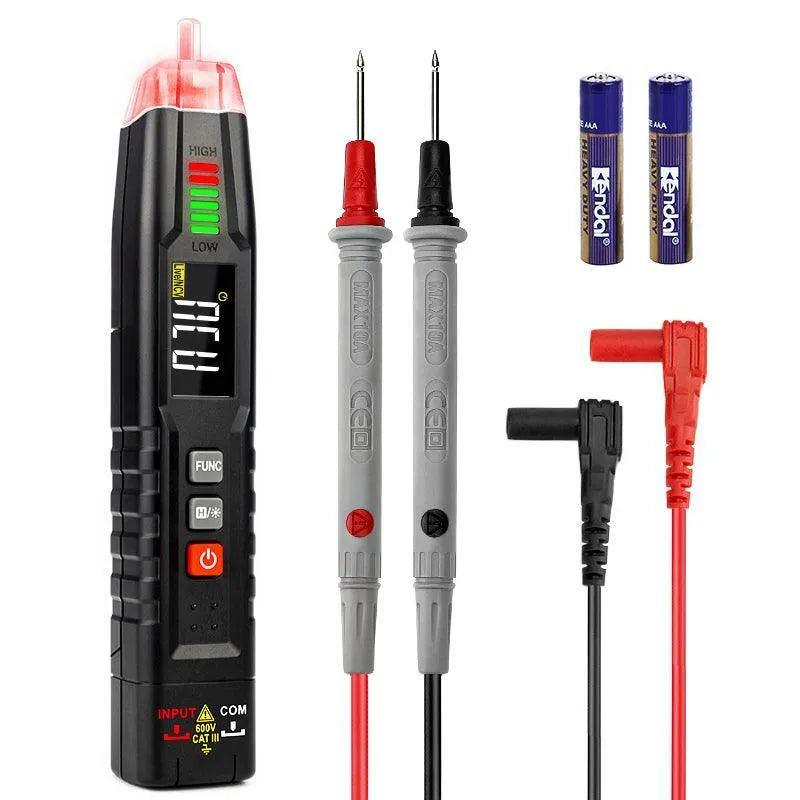
| Model | KTS01 | KTS02 | KTL01 | HT100S | HT100 | VT200 | ST100 |
| Product Type | Voltage Tester Screwdriver | Voltage Tester Screwdriver | Non-Contact Voltage Tester | Non-Contact Voltage Tester | Non-Contact Voltage Tester | Non-Contact Voltage Tester | Smart Voltage Tester |
| Detection Method | Contact + Non-Contact | Contact + Non-Contact | Non-Contact | Non-Contact | Non-Contact | Non-Contact | Contact Measurement + NCV |
| Maximum Display | Voltage Level | Voltage Level | Signal Percentage | Signal Percentage | Signal Bar | LED Signal Bar | 4000 Counts |
| AC Contact Voltage | 3–300V AC | 3–300V AC | Not Supported | Not Supported | Not Supported | Not Supported | Up to 600V AC |
| DC Contact Voltage | Not Supported | Not Supported | Not Supported | Not Supported | Not Supported | Not Supported | Up to 600V DC |
| NCV Detection Range | 3–300V AC | 3–300V AC | 12–1000V AC | 12–1000V AC | 12–1000V AC | 12–1000V AC | 12–1000V AC |
| Dual Sensitivity Range | ✗ | ✗ | 12–1000V / 70–1000V | 12–1000V / 70–1000V | 12–1000V / 48–1000V | Dual Sensitivity | ✗ |
| Contact Voltage Measurement | ✓ | ✓ | ✗ | ✗ | ✗ | ✗ | ✓ |
| Non-Contact Voltage Detection | ✓ | ✓ | ✓ | ✓ | ✓ | ✓ | ✓ |
| Live / Neutral Wire Detection | ✓ | ✓ | ✓ | ✓ | ✓ | ✓ | ✓ |
| Continuity Test | ✓ | ✓ | ✗ | ✗ | ✗ | ✗ | ✓ |
| Resistance Measurement | ✗ | ✗ | ✗ | ✗ | ✗ | ✗ | ✓ |
| Frequency Measurement | ✗ | ✗ | ✗ | ✗ | ✗ | ✗ | ✓ |
| Capacitance Measurement | ✗ | ✗ | ✗ | ✗ | ✗ | ✗ | ✓ |
| Diode Test | ✗ | ✗ | ✗ | ✗ | ✗ | ✗ | ✓ |
| Phase Sequence Test | ✗ | ✗ | ✗ | ✗ | ✗ | ✗ | ✓ |
| Display | LCD | LCD | Color LCD | Color LCD | LCD + Bar Graph | LED Signal Display | 4000-Count LCD |
| Signal Strength Display | LCD Indicator | LCD Indicator | Percentage + Bar Graph | Percentage + Bar Graph | Bar Graph | LED Signal Bars | Indicator Bar |
| Sound & Light Alarm | ✓ | ✓ | ✓ | ✓ | ✓ | ✓ | ✓ |
| Breakpoint Detection | NCV / Continuity | NCV / Continuity | ✓ | ✓ | ✓ | ✓ | NCV / Continuity |
| Built-in Flashlight | ✗ | ✗ | ✓ | ✓ | ✓ | ✓ | ✓ |
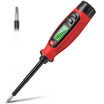
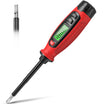
| Screwdriver Tip | Phillips Magnetic Tip | Slotted Magnetic Tip | Not Applicable | Not Applicable | Not Applicable | Not Applicable | Not Applicable |
| Safety Rating | Not Specified | Not Specified | CAT IV 1000V | CAT III 1000V / CAT IV 600V | CAT III 1000V / CAT IV 600V | CAT III 1000V / CAT IV 600V | CAT III 600V |
| Auto Power Off | Approx. 3 Minutes | Approx. 3 Minutes | Approx. 5 Minutes | Approx. 5 Minutes | Approx. 3 Minutes | ✓ | Approx. 15 Minutes |
| Power Supply | 1 × AAA Battery | 1 × AAA Battery | 2 × AAA Batteries | 2 × AAA Batteries | 2 × AAA Batteries | 2 × AAA Batteries | 2 × AAA Batteries |
FAQ
What are the main differences between the HT100, HT100S, and ST100?
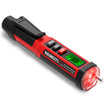
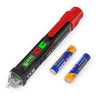
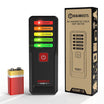
HT100: This is a classic non-contact AC voltage tester. It indicates voltage presence through a red/green backlight and varying beeper frequencies. It features dual-range sensitivity adjustments.
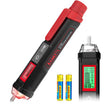
HT100S: An upgraded version of the HT100. Its standout feature is the LCD display, which shows the signal intensity as a percentage and an analog bar graph, providing a more precise and intuitive reading than simple LED lights.
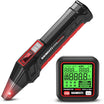
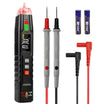
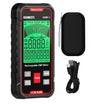
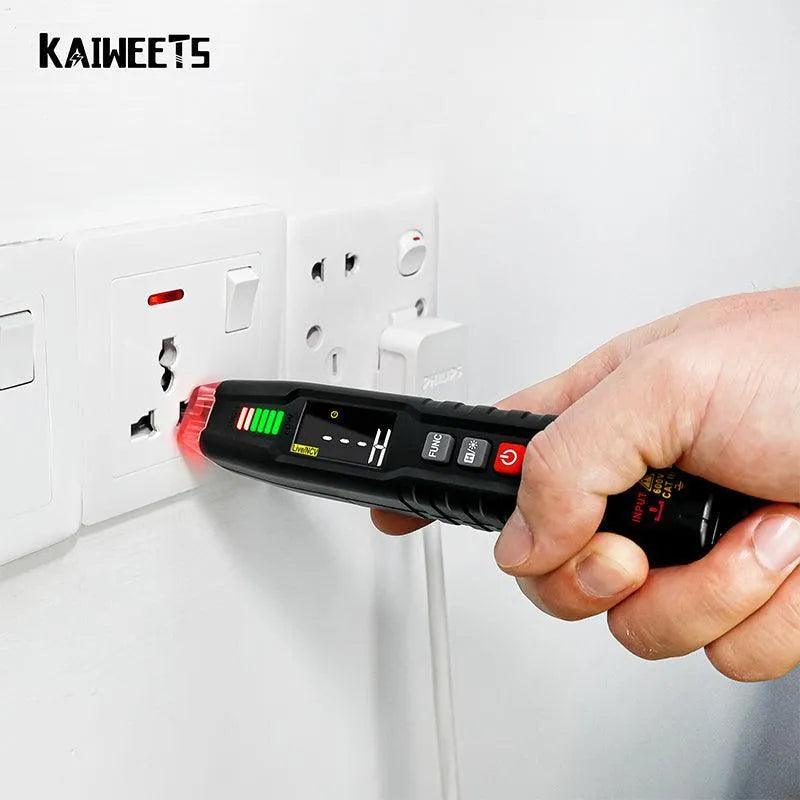
ST100: The ST100 is more than just a tester; it is a Smart Pen Multimeter. In addition to non-contact voltage detection (NCV), it can measure specific AC/DC voltage values, resistance, capacitance, and frequency. It also includes phase sequence detection and zero/live wire identification.
How does the Non-Contact Voltage (NCV) feature work?
The NCV feature allows you to detect voltage without touching bare wires. Simply place the probe tip near an outlet, terminal strip, or power cord. If AC voltage is detected, the tip will light up, an alarm will sound, and the screen will display a signal. This makes testing safer and faster.
What is "Dual Sensitivity" and when should I use it?
Kaiweets voltage testers (like the HT100/HT100S) typically offer two sensitivity modes:
- Low Sensitivity (48V-1000V): The default mode. Best for testing standard household outlets and power strips to avoid interference from stray signals.
- High Sensitivity (12V-1000V): Activated by pressing the "S" button. Ideal for testing low-voltage systems (like doorbells or thermostats) or detecting wires buried deeper inside walls.
Can these testers measure DC voltage?
HT100 & HT100S: No. They are designed strictly to detect the presence of AC voltage.
ST100: Yes. Since the ST100 is a multimeter, it can measure specific DC voltage values (e.g., checking car batteries) as well as AC voltage values.
How do I distinguish between Live and Neutral wires?
Place the probe near each wire or into each slot of a socket:
- Live Wire: The tester will detect a strong signal. The screen usually turns red, the bar graph gets high, and the beeper sounds rapidly.
- Neutral Wire: The signal will be weak or non-existent. The screen remains green, and the beeper sounds slowly or not at all.
Can I use these to find a break in a wire?
Yes. You can use the NCV function to trace along a power cord. When the alarm and light indicators suddenly stop or weaken significantly, you have likely found the breakpoint. This is very useful for troubleshooting extension cords or Christmas lights.
Are batteries included and how do I save power?
Yes, most models come with the necessary AAA batteries included.
- Low Battery Indicator: A symbol will appear on the screen when the battery voltage drops (usually below 2.5V).
- Auto Power Off: To conserve battery life, the device will automatically turn off after a few minutes of inactivity (no button presses or signal detection).
Are these testers safe to use?
Absolutely. Kaiweets voltage testers are built to international safety standards (such as CAT III 1000V and CAT IV 600V ratings). They utilize double insulation to ensure user protection during electrical testing.