












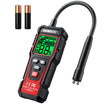
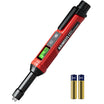

















Détecteur de disjoncteur
Filtres
2 produits
Qu'est-ce qu'un détecteur de disjoncteur ?
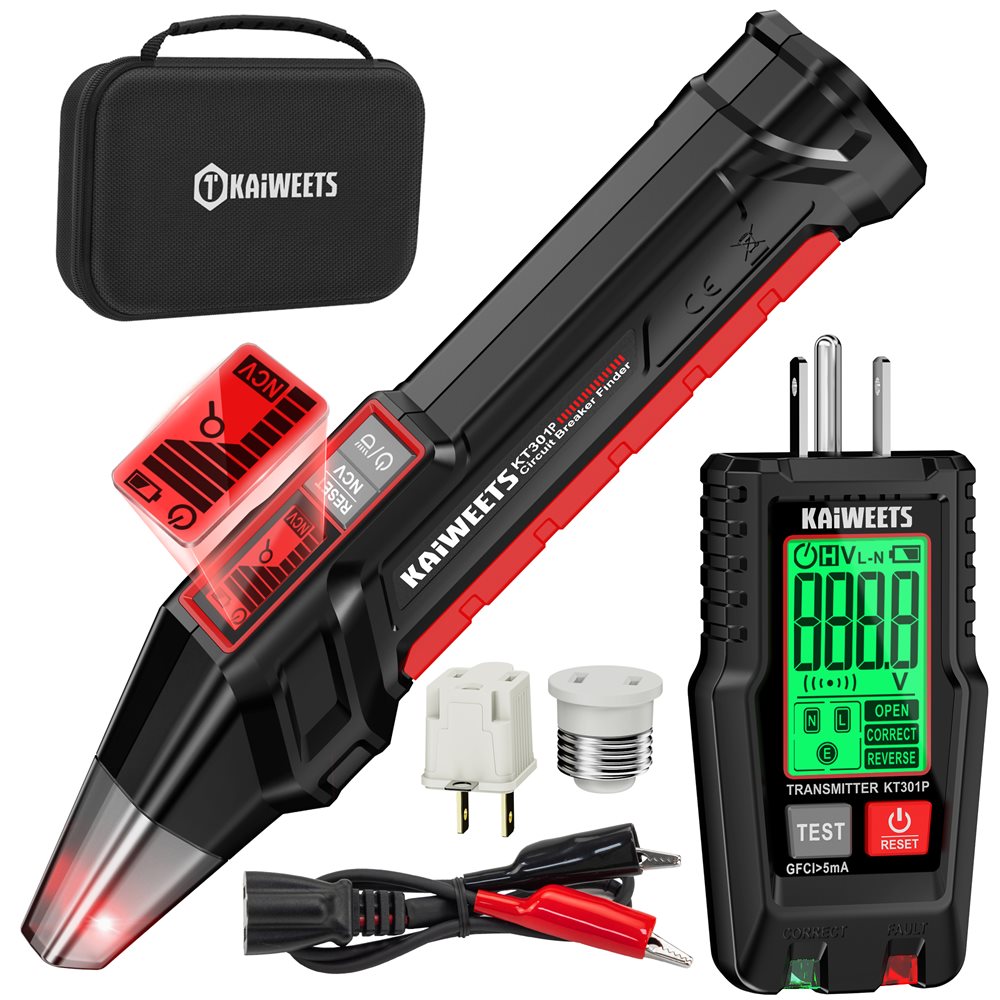
Un détecteur de disjoncteur est un outil de traçage de circuit qui vous aide à identifier quel disjoncteur contrôle une prise, une lumière ou un circuit câblé spécifique. Au lieu d'allumer et d'éteindre les disjoncteurs au hasard, vous connectez un émetteur au circuit cible et utilisez un récepteur au niveau du panneau pour localiser le disjoncteur correspondant rapidement et en toute sécurité.
À quoi sert un détecteur de disjoncteur ?
Utilisez un détecteur de disjoncteur pour localiser le bon disjoncteur lorsque les panneaux ne sont pas étiquetés, les circuits sont inconnus ou plusieurs disjoncteurs desservent des zones similaires. Il est largement utilisé par les électriciens, les ingénieurs de maintenance, les gestionnaires d'installations et d'usines, les inspecteurs, les équipes immobilières et les propriétaires bricoleurs qui ont besoin d'une identification de circuit rapide et fiable.
Les cas d'utilisation courants incluent :
- Localisation d'un disjoncteur défectueux sans coupures par essais et erreurs
- Cartographie des circuits et étiquetage des panneaux lors de l'installation, de la rénovation ou de l'inspection
- Dépannage des prises, des lignes d'éclairage et des circuits d'équipement dans les maisons, les bâtiments et les sites industriels
Comment fonctionne un détecteur de disjoncteur ?
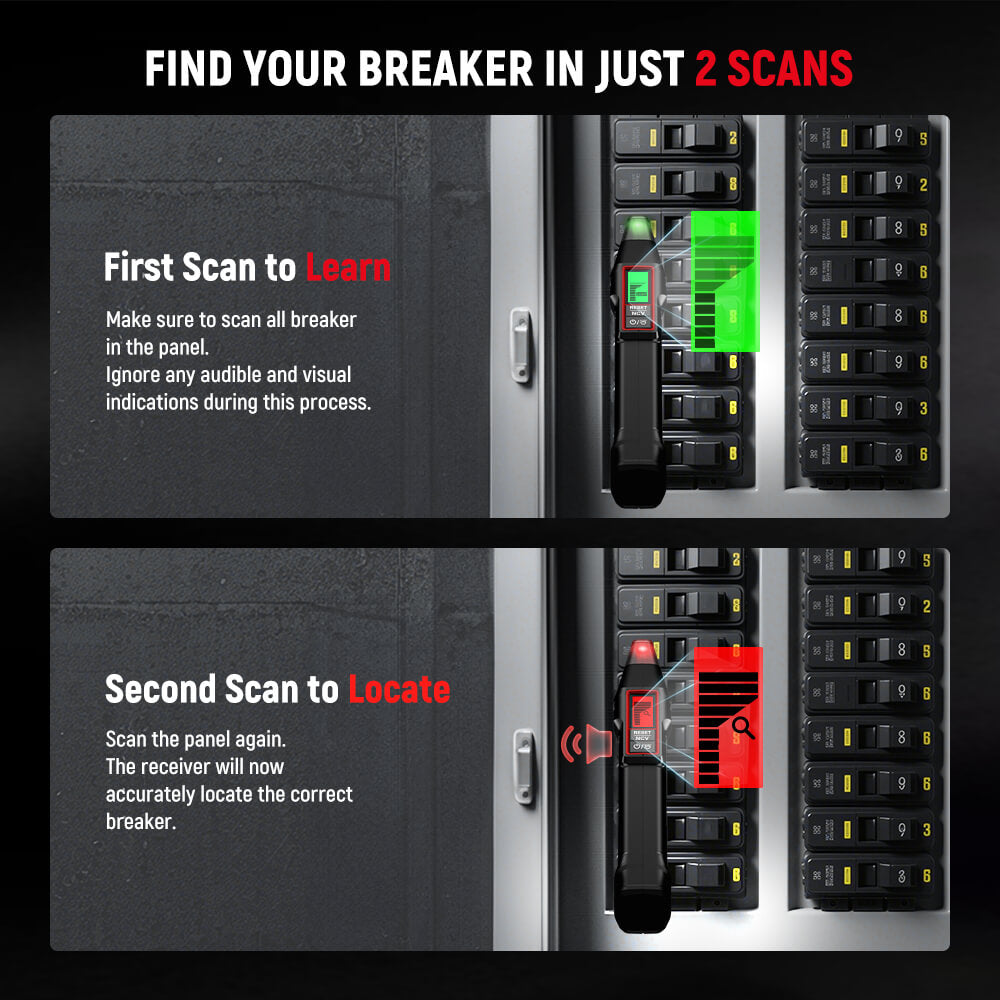
Un détecteur de disjoncteur fonctionne via un système émetteur-récepteur. L'émetteur envoie un signal de traçage à travers le câblage du circuit. Le récepteur détecte ce signal au niveau du tableau de disjoncteurs. Lorsque vous balayez les disjoncteurs, le récepteur indique le signal le plus fort, montrant quel disjoncteur correspond au circuit que vous tracez.
Comment utiliser un détecteur de disjoncteur
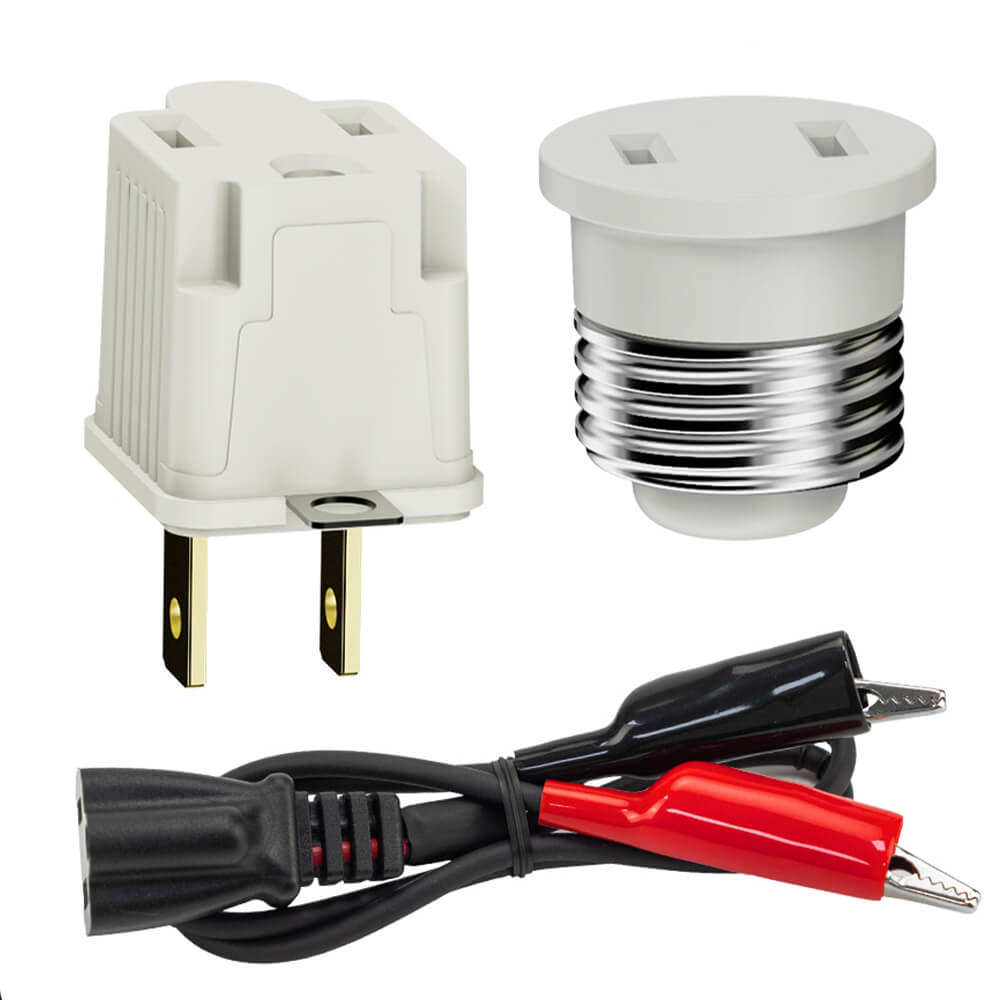
- Branchez ou connectez l'émetteur à la prise, au luminaire ou au circuit que vous souhaitez tracer. Assurez-vous que le circuit est sous tension.
- Allumez le récepteur et balayez lentement les disjoncteurs de votre panneau.
- Trouvez le disjoncteur qui déclenche l'alerte la plus forte et la plus constante sur le récepteur.
- Balayez une fois de plus pour confirmer que le signal reste le plus fort sur le même disjoncteur, puis vérifiez les disjoncteurs voisins pour exclure les faux positifs.
- Éteignez brièvement le disjoncteur identifié pour confirmer, puis étiquetez-le pour référence future.
Apprenez-en davantage sur comment utiliser un détecteur de disjoncteur sur notre blog.
FAQ
Quelles sont les différences entre les KAIWEETS KT301P, KT302P et KT303P ? Lequel devrais-je choisir ?
R : Les trois modèles sont des outils haut de gamme conçus pour localiser les disjoncteurs avec précision, mais ils offrent des fonctionnalités distinctes adaptées à différents utilisateurs et environnements :
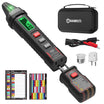
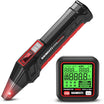
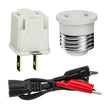
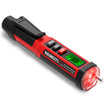
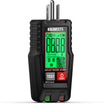
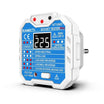
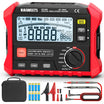
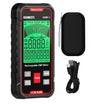
- KT301P (écran numérique et rapport qualité-prix élevé) :Caractéristique principale : Le récepteur est doté d'un écran numérique qui affiche l'intensité du signal, rendant l'opération incroyablement claire.Points forts : L'émetteur fonctionne comme un testeur de prise autonome avec un affichage de tension. Il est livré entièrement équipé d'un étui rigide, de pinces crocodiles et d'adaptateurs.
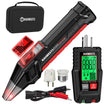
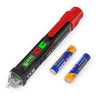
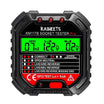
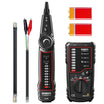
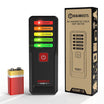
- KT302P (Pro du signal bidirectionnel innovant) :Caractéristique principale : Doté d'une conception de circuit bidirectionnel, une première dans l'industrie. Par rapport au test vertical unidirectionnel de la série 301, il scanne plus largement et plus complètement, améliorant considérablement la précision et réduisant les débordements de signal.Points forts : Il utilise des indicateurs LED lumineux au lieu d'un écran, et l'émetteur indique clairement l'état du câblage en un coup d'œil. Comprend tous les accessoires (pinces crocodiles/adaptateurs).
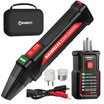
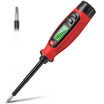
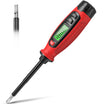
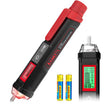
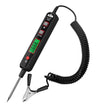
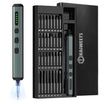
- KT303P (Le fleuron ultime 4-en-1) :Caractéristique principale : Le fleuron de nouvelle génération qui passe d'une conception 3-en-1 à une conception multifonctionnelle 4-en-1.Points forts : Il intègre de manière unique un tournevis détachable directement sur la pointe NCV, en faisant un véritable outil 4-en-1. De plus, l'émetteur et le récepteur présentent une conception intégrée, permettant à l'émetteur d'être soigneusement branché et rangé directement à l'intérieur du récepteur lorsqu'il n'est pas utilisé. Il est doté de voyants LED clairs.
Guide de décision :
- Choisissez le KT301P si vous préférez un écran numérique visuel et un flux de travail traditionnel.
- Choisissez le KT302P si vous travaillez dans des environnements électriques complexes et avez besoin d'une précision de balayage maximale via des signaux bidirectionnels.
- Choisissez le KT303P si vous souhaitez la commodité ultime – un outil tout-en-un avec un tournevis intégré et une conception de rangement avec station d'accueil pour ne jamais égarer votre émetteur.
Que comprend la « fonction 4-en-1 » du KT303P ?
R : Le KT303P est conçu pour optimiser votre ceinture porte-outils en combinant quatre fonctions essentielles en un seul appareil élégant :
- Localisateur de disjoncteur : Suivi rapide et précis des disjoncteurs.
- Testeur de prises et de disjoncteurs différentiels : Diagnostic rapide du câblage des prises et test de déclenchement de sécurité.
- Détecteur de tension sans contact (NCV) : Détection de tension sûre sans dénuder les fils.
- Tournevis intégré : Un embout de tournevis intégré directement à l’extrémité du NCV, parfait pour ouvrir les panneaux électriques ou les plaques frontales des prises lors de vos déplacements.
En quoi la conception du récepteur et émetteur intégré est-elle avantageuse pour moi ?
Cette fonctionnalité est exclusive à notre modèle premium KT303P. Les détecteurs de disjoncteurs traditionnels se présentent sous la forme de deux pièces complètement séparées, qui peuvent facilement être égarées dans une boîte à outils encombrée. Le récepteur du KT303P est doté d'un emplacement dédié intégré à son corps, ce qui vous permet de glisser et de clipser l'émetteur directement dans le récepteur pour un rangement sécurisé et compact, ainsi qu'un transport facile.
L'émetteur peut-il être utilisé seul, ou ne fonctionne-t-il qu'avec le récepteur ?
L'émetteur est très polyvalent ! Il est conçu pour fonctionner parfaitement comme testeur de prise autonome. Une fois branché sur une prise, il teste automatiquement la séquence de câblage (Correct, Terre ouverte, Neutre ouvert, Phase ouverte, Phase/Terre inversées, etc.) et affiche la tension en direct, vous offrant ainsi un outil de diagnostic rapide et complet.
Que signifie la "fonction 3-en-1" pour ces détecteurs de disjoncteurs ?
R : Cela signifie que vous obtenez trois outils électriques essentiels regroupés en un seul appareil :
- Détecteur de disjoncteur : Appaire rapidement les émetteurs et les récepteurs pour localiser le disjoncteur exact.
- Testeur de prise / GFCI : Diagnostique les défauts de câblage des prises et teste les fonctions de déclenchement du GFCI.
- Détecteur de tension sans contact (NCV) : Teste en toute sécurité si un fil, un conduit ou une prise est sous tension sans contact direct.
Comment tester un disjoncteur différentiel (GFCI) avec le KT301P ou le KT302P ?
Branchez simplement l'émetteur dans la prise GFCI que vous souhaitez tester. Assurez-vous d'abord que le câblage est correct (indiqué par l'écran ou les voyants), puis appuyez sur le bouton de test GFCI. Si le disjoncteur ou la prise GFCI se déclenche comme prévu, votre protection contre les défauts à la terre fonctionne en toute sécurité et correctement.
Les détecteurs de disjoncteurs en valent-ils la peine ?
Oui, si vous avez déjà eu affaire à des panneaux non étiquetés, des circuits inconnus ou si vous effectuez fréquemment des dépannages. Un détecteur de disjoncteur permet de gagner du temps, de réduire les arrêts par essais et erreurs et de travailler en toute sécurité en localisant rapidement le bon disjoncteur. Pour les professionnels et les équipes d'installations, il est rapidement rentabilisé en termes de temps de travail économisé.
Comment localiser mon disjoncteur ?
Commencez par identifier l'appareil ou la prise que vous souhaitez tracer. Branchez l'émetteur dans cette prise (ou connectez-le au circuit), puis scannez les disjoncteurs avec le récepteur. Le disjoncteur avec l'alerte la plus forte est le bon. Cela évite les tâtonnements.
Un chercheur de disjoncteur fonctionne-t-il sur une prise morte ?
Généralement, non. Un détecteur de disjoncteur a besoin d'un chemin sous tension pour envoyer un signal à travers le câblage. Si la prise est vraiment morte, vérifiez d'abord un disjoncteur différentiel en amont déclenché, une connexion lâche ou une prise commutée. Une fois le courant rétabli, le détecteur fonctionnera normalement.
Comment trouver le tableau électrique ?
Dans la plupart des foyers, le tableau électrique se trouve dans un garage, un sous-sol, une buanderie, un local technique ou sur un mur extérieur près du compteur. Dans les appartements, il peut être dans un placard de couloir ou dans un local technique partagé. En cas de doute, vérifiez près de l'endroit où l'électricité entre dans le bâtiment.
Puis-je utiliser l'émetteur comme testeur de prise standard seul ?
R : Absolument. Pour les trois modèles (KT301P, KT302P et KT303P), l'émetteur est tout à fait capable de fonctionner comme un testeur de prises indépendant. Il suffit de le brancher sur n'importe quelle prise murale standard et il effectuera immédiatement un diagnostic du câblage (par exemple, mise à la terre ouverte, neutre ouvert ou câblage correct) via son écran intégré ou ses voyants LED.