



















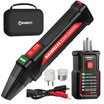
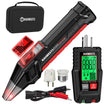

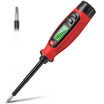
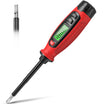
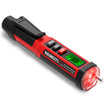

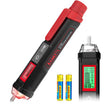

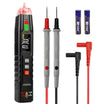
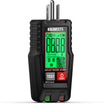
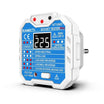

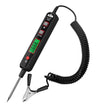
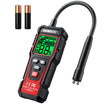

































Testing an alternator without a multimeter requires a basic understanding of how the unit generates power. The alternator consists of three primary components: the stator, the rotor, and the rectifier. The stator is the stationary outer shell containing wire windings, while the rotor is the internal component that spins to create a magnetic field. The rectifier acts as a bridge, converting the alternating current (AC) produced by the generator into the direct current (DC) required by your vehicle’s electrical system.
What is an alternator and what does it do in a car engine?
An alternator is a type of electrical generator that converts mechanical energy into electrical energy. It is commonly used in automobiles and other internal combustion engines to power the vehicle's electrical system. The alternator charges the battery and powers the car's lights, radio, and other electronic accessories. When the engine is running, the alternator produces electricity to recharge the battery and power the vehicle's electrical accessories. If the battery is low or the engine is not running, the alternator will not be able to produce enough electricity to power the vehicle's accessories.
The average lifespan of an alternator is about 6 years or 100,000 miles, whichever comes first. However, this can vary depending on driving habits and conditions. If you frequently drive in stop-and-go traffic or short distances, your alternator will likely need to be replaced more often. Alternators can also be damaged by excessive heat, so it's important to keep an eye on the temperature of your engine compartment and make sure the alternator is not overworking.
Common symptoms of a bad alternator
Identifying a failing alternator early can prevent a breakdown. While some signs are subtle, others are immediate indicators of electrical failure. If you notice any of the following symptoms, have your charging system inspected immediately to avoid damaging the battery or being left stranded.
Common warning signs of a failing alternator include:
- Dimming or flickering lights: Headlights that brighten when you rev the engine but dim at idle.
- Warning lights: A dashboard battery icon or "ALT" light, indicating voltage has dropped below the required threshold.
- Strange noises: High-pitched whining or grinding sounds, often caused by worn bearings or a slipping belt.
- Electrical malfunctions: Slow-moving power windows, a radio that cuts out, or seat heaters that fail to stay warm.
- Engine performance issues: Misfiring, rough idling, or unexpected stalling because the spark plugs aren't receiving enough consistent power.
- Dead battery: A car that requires frequent jump-starts despite having a relatively new battery.
A faulty alternator can lead to serious engine complications. Addressing these red flags early is the best way to ensure your vehicle remains reliable on the road.
How to test alternators without multimeters?
While a multimeter provides the most accurate data, you can perform several physical and functional checks to diagnose a charging issue.
Never test an alternator by disconnecting a battery terminal while the engine is running. On modern vehicles, this can cause a massive voltage spike that may destroy the car’s electronic control unit (ECU) and other sensitive components.
Instead, follow these steps for a safe manual inspection:
- Inspect the Drive Belt: Look for cracks, glazing (a shiny appearance), or excessive wear on the serpentine belt. A loose or damaged belt will slip, preventing the alternator pulley from spinning fast enough to generate a charge.
- Check for Physical Damage: With the engine off, inspect the alternator pulley and housing for debris or misalignment.
- Listen for Bearing Noise: While the engine is idling, listen for a high-pitched squeal or a low grinding sound. These noises typically indicate that the internal bearings are worn and the unit is near total failure.
- The Headlight Test: This is the most effective "no-tool" test. Park facing a flat surface and turn on your headlights. Have an assistant rev the engine. If the lights brighten noticeably as the RPMs increase, the alternator is producing current. If the lights remain dim or flicker, the charging system is faulty.
- The Dashboard Check: Ensure the "Battery" or "ALT" warning light illuminates when you turn the key to the "On" position but disappears once the engine starts. If it stays lit or flickers during transit, the system is failing.
How to test an alternator with a multimeter?
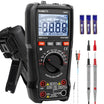
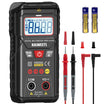
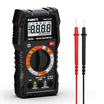
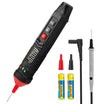
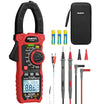
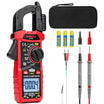
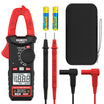
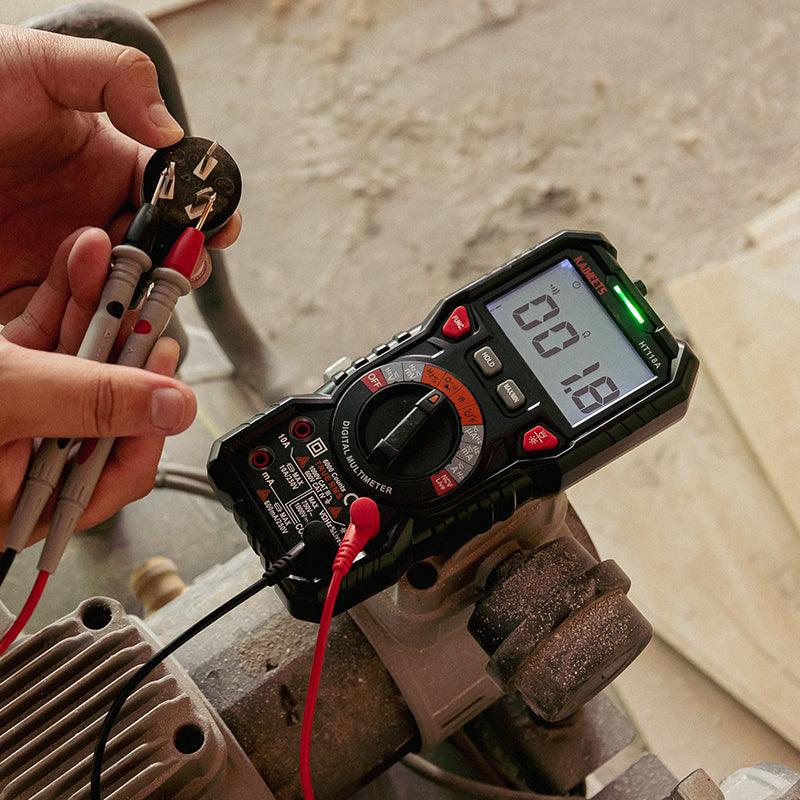
Using a multimeter is the most reliable way to diagnose an alternator. If you are not familiar with the dial, input jacks or lead placement, review this basic multimeter setup before testing. Then follow these steps to safely measure the voltage output at the battery, which reflects the charging system's overall health.
- Prepare the Meter: Set your digital multimeter to the DC voltage setting (20V). Ensure the engine is off.
- Check Static Voltage: Touch the red (positive) lead to the positive battery terminal and the black (negative) lead to the negative terminal. A fully charged battery should read approximately 12.6 volts.
- Start the Engine: With the leads still connected, start the vehicle. The voltage should jump to between 13.5 and 14.5 volts at idle. If the reading stays at 12.6V or drops, the alternator is not charging.
- Perform a Load Test: Turn on the high-beam headlights, the air conditioning, and the radio. Rev the engine slightly to around 2,000 RPM. The voltage should remain stable above 13.0 volts. If it dips below this threshold, the alternator is struggling to keep up with electrical demand.
- Interpret the Results: A reading higher than 15 volts indicates an overcharging issue, often caused by a faulty internal voltage regulator. Conversely, any reading below 13 volts during operation suggests the unit is failing.
If your readings are inconsistent or you are uncomfortable working near a running engine, consult a certified technician for a professional diagnostic.

How Much Does an Alternator Replacement Cost?
The total cost of a replacement generally ranges from $350 to $800, depending on your vehicle's make, model, and local labor rates. This price is typically broken down into two parts:
- Parts: A new or high-quality remanufactured alternator usually costs between $200 and $500.
- Labor:Most mechanics can complete the installation in one to two hours, with labor costs typically ranging from $150 to $300
If your vehicle is still covered under a manufacturer or powertrain warranty, the replacement may be handled at no cost to you. For those paying out of pocket, many auto parts stores offer "remanufactured" units, which provide a more budget-friendly alternative to brand-new OEM (Original Equipment Manufacturer) parts without sacrificing reliability.
Frequently Asked Questions:
Can you check an alternator by disconnecting the battery?
No. While this was a common trick for older vehicles without onboard computers, it is dangerous for modern cars. Disconnecting the battery while the engine is running can cause a massive voltage surge that may fry the car’s Engine Control Unit (ECU) and other sensitive electronics. Always use a multimeter or the "headlight test" instead.
How can I tell if the problem is the battery or the alternator?
If the engine won't crank but the car runs fine after a jump-start, the battery is likely the culprit. If the car starts but stalls shortly after, or if you notice dimming lights and a burning smell while driving, the alternator is failing.
Can a bad alternator ruin a new battery?
Yes. A faulty alternator can either undercharge a battery (leaving it drained and chemically damaged) or overcharge it (causing the battery to overheat and swell). If you replace a battery without fixing a failing alternator, you will likely ruin the new battery within weeks.
Expert Tip
While visual and auditory cues can help you spot early trouble, a voltage test is the only way to confirm your alternator's health. If your dashboard warning light flickers or your engine emits a high-pitched whine, have your charging system inspected immediately. Maintaining a steady output between 13.5 and 14.5 volts is essential to protecting your vehicle's complex electrical system and ensuring you aren't left stranded.



Commenta
Nota che i commenti devono essere approvati prima di essere pubblicati.
Questo sito è protetto da hCaptcha e applica le Norme sulla privacy e i Termini di servizio di hCaptcha.