























A fan motor is an electric motor that powers an electric fan. These motors are commonly found in appliances such as air conditioners, refrigerators, exhaust fans, and window fans.
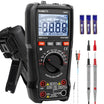
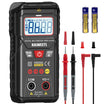
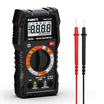
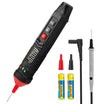
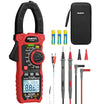
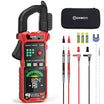
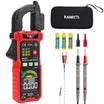
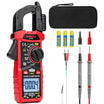
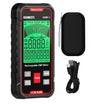
When a fan motor stops working, one common cause is damage to the internal windings. Using a multimeter to test a fan motor allows you to check winding continuity and identify electrical faults before deciding whether the motor needs repair or replacement.

The Root Cause of Fan Motor Issues:
There are many things that can go wrong with fan motors. In this article, we'll look at why fan motor problems happen and how to avoid them in the future.
Many fan motor failures are caused by mechanical stress rather than electrical issues alone. One common reason is unbalanced fan blades. When blades are not properly balanced, they create excessive vibration, which can damage motor bearings over time and eventually lead to motor failure.
Buildup of dirt and debris on the fan blades is another common reason why fan motors stop working. Over time, this trash can build up, which can throw off the balance of the blades. This can cause the same problems as blades that aren't balanced. To stop this from happening, you should clean your fan's blades often. You can do this with a brush or a soft cloth.
Wiring problems are the last common cause of fan motor problems. If your fan's wiring is wrong, it could cause the motor to overheat. This can damage the motor's bearings and cause the motor to stop working. Make sure your fan's wiring is correct at all times to avoid this problem.
You should also check the wires every now and then to make sure they are not broken. If you follow these tips, you should be able to stop fan motor problems at their starting point. If you take care of your fan and keep it clean, it will last longer and you won't have to pay for repairs as often.
How to Test a Fan Motor with a Multimeter:

- Before testing the fan motor, first make sure that the power to the unit is turned off.
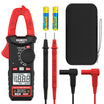
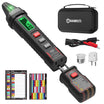
- To test the fan motor, you will need a multimeter.
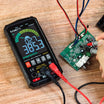
- Set the multimeter to the resistance (ohms) setting and place the probes on the motor terminals. This test checks the continuity of the motor windings.
- If the multimeter displays infinite resistance (OL), this usually indicates an open circuit, meaning the motor windings are damaged and the motor is faulty.
- If the reading shows zero or extremely low resistance, it may indicate a short circuit within the windings, which can also mean the motor has failed.
- In most cases, a healthy fan motor will show a measurable resistance value between these extremes. The exact resistance varies depending on the motor type and size, but the key is that the circuit is neither open nor shorted.
Testing the fan motor is a relatively simple process that can be done with a multimeter. By following the steps above, you can easily determine whether or not the fan motor is functioning properly.
How to Test a Multi-Speed Fan Motor with a Multimeter
Many fan motors, especially those used in water coolers, HVAC systems, and exhaust fans, are multi-speed motors. These motors typically have one common wire and several speed wires corresponding to low, medium, and high speeds.
To test a multi-speed fan motor, set the multimeter to measure resistance and record readings between each pair of wires. Creating a simple table of resistance values can help you compare results more easily.
In most AC fan motors:
- The common wire shows resistance to all speed wires.
- The wire with the highest resistance usually corresponds to the lowest speed.
- The wire with the lowest resistance usually corresponds to the highest speed.
- A wire that shows no resistance (open circuit) indicates a broken winding or disconnected lead.
If one speed wire is open, the motor may still operate on the remaining speeds. However, if the common wire is open, the motor typically cannot run and will require repair or replacement.
Advanced Fan Motor Testing (Continuity and Inspection):
- Turn off the power to the fan motor at the circuit breaker or fuse box.
- Remove the fan blade from the motor shaft.
- Use a multimeter to test winding continuity in the fan motor. A measurable resistance reading indicates that the windings are not open. Keep in mind that resistance values vary by motor design, so focus on identifying open circuits or shorts rather than an exact number.
- Reconnect the fan blade to the motor shaft and turn on the power to the motor at the circuit breaker or fuse box.
- After restoring power, listen for unusual noises such as grinding or squealing. These sounds often indicate worn bearings or mechanical damage rather than an electrical fault. If there are any unusual sounds, it is likely that the bearings in the motor are worn out and will need to be replaced.
- Finally, check fan operation and airflow. Poor airflow combined with normal resistance readings may point to mechanical issues rather than a failed motor winding. If the fan is not operating correctly, it will need to be repaired or replaced.
Can You Test a Fan Motor Without Removing It?
In many cases, basic continuity testing can be performed without removing the motor from the fan assembly. As long as the terminals are accessible and power is disconnected, a multimeter can be used to check for open or shorted windings.
However, if access is limited or mechanical inspection is required, removing the motor may provide more accurate results. Always prioritize safety and follow manufacturer guidelines when working on installed equipment.
5 Signs Your Alternative Current Fan Motor Is Bad:
1. The blades are not spinning
If the blades on your AC fan motor are not spinning, this is a clear indication that something is wrong with the motor. The blades are usually connected to the motor via a coupling, so if they're not moving, the coupling has likely become disconnected or broken.
2. There is a burning smell coming from the motor
If you smell something burning coming from your AC fan motor, you should turn off the unit right away and call for help. Most of the time, this means that the motor has gotten too hot and could catch fire.
3. The motor is making strange noises
If your AC fan motor starts making strange sounds like grinding, squealing, or humming, this could mean that the motor is failing. Most of the time, these sounds come from worn-out bearings or other damage inside the motor.
4. The motor is overheating
If the motor of your fan is getting too hot, you should turn it off right away and call a professional for help. Most of the time, this means that the motor is failing and could catch fire.
5. There is no power going to the motor
If you've checked all the obvious things, like making sure the unit is plugged in, and the fan motor still won't work, the motor may be broken and needs to be replaced.
How to test if a motor is bad with a multimeter?
Testing a motor with a multimeter is a pretty easy thing to do. Set the multimeter to the right setting first. Most motors will work best with the ohms setting. After setting up the multimeter, you'll need to touch the probes to the correct terminals on the motor. Most motors have two terminals, and you'll need to touch one probe to each terminal. If the multimeter shows "infinity," the motor is broken and needs to be replaced. If the number doesn't go to infinity, it means the motor is still good and doesn't need to be replaced.
What causes the failure of a fan motor?
There are many things that can go wrong with a fan motor, but the most common ones are electrical problems, mechanical wear and tear, and getting too hot.
Electrical problems can cause the motor to overheat and burn out, or they can just keep the motor from turning on. Wear and tear can damage the motor's bearings and other parts, making it hard for the motor to turn. Lastly, if the motor gets too hot, it can damage the insulation on the wires, which can lead to a short circuit that can stop the motor. If you think your fan motor has broken down, you should have a professional check it out as soon as possible.
Depending on what went wrong, they might be able to fix or replace the motor, or they might suggest getting a new fan. In any case, you should make sure your fan is in good shape to avoid problems in the future. With regular maintenance and checks, problems can be found before they cause a lot of damage. And if your fan gives you trouble, don't be hesitant to contact a professional for help.
Conclusion:
Now that you know how to use a multimeter to test a fan motor, you can quickly and easily figure out what might be wrong with your fan and fix it. By doing these simple things, you can make sure your fan works well and avoid having to pay for repairs or a new one.



Commenta
Nota che i commenti devono essere approvati prima di essere pubblicati.
Questo sito è protetto da hCaptcha e applica le Norme sulla privacy e i Termini di servizio di hCaptcha.