













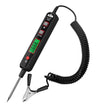
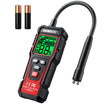
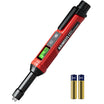
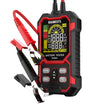























A red wire is not always positive. Its meaning depends on the electrical system, the local wiring standard, and the way the circuit was installed. In low-voltage direct current (DC) systems, red commonly identifies the positive conductor. In household alternating current (AC) wiring, red is more often an energized conductor rather than a positive wire.
Never identify a wire by color alone. Repairs can change how a conductor is used. Older wiring may also follow a regional color code. Check the wiring diagram first, then verify the circuit with a properly rated tester when it is safe to do so.
What Does a Red Wire Mean in Different Electrical Systems?
A red wire usually indicates positive voltage in a DC circuit or an ungrounded conductor in an AC circuit, but the exact function varies.
- Low-voltage DC and automotive systems: Red commonly marks the positive (+) connection. This is a convention, not a guarantee, especially after aftermarket work or repairs.
- North American household AC wiring: Red is often used as a second hot wire. It may also be a switched hot or a traveler between multiway switches. AC mains conductors are described by circuit function rather than positive and negative polarity.
- Three-phase and control wiring: Red may identify an energized phase or a control conductor. The meaning must come from the applicable standard and the equipment diagram.
- Older or regional installations: Wire colors can reflect an earlier code. For example, red was historically used as a line conductor in older UK wiring, while modern UK installations normally use brown for line.
In the United States, neutral conductors are generally identified by white or gray insulation. Equipment grounding conductors are generally green or bare. These conventions help narrow the possibilities, but they do not prove the function of an unknown red wire.
How Can You Check a Red Wire With a Multimeter?
You can check a red wire by measuring voltage against a verified reference point, but the method must match the type of circuit.
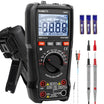
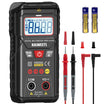
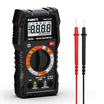
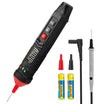
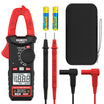
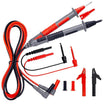
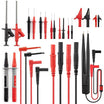
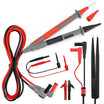
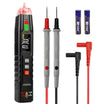
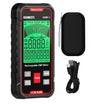
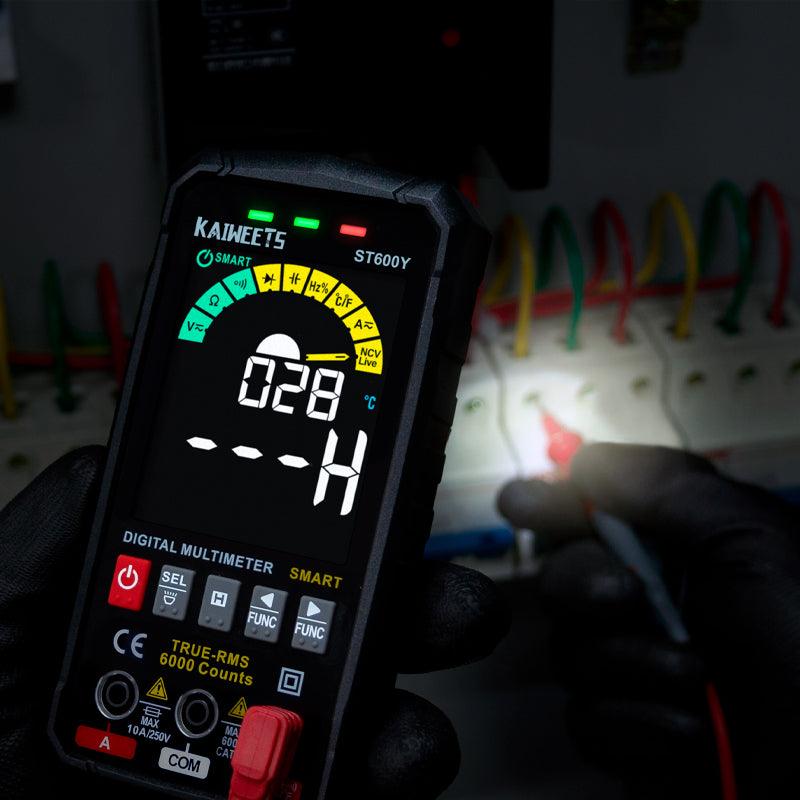
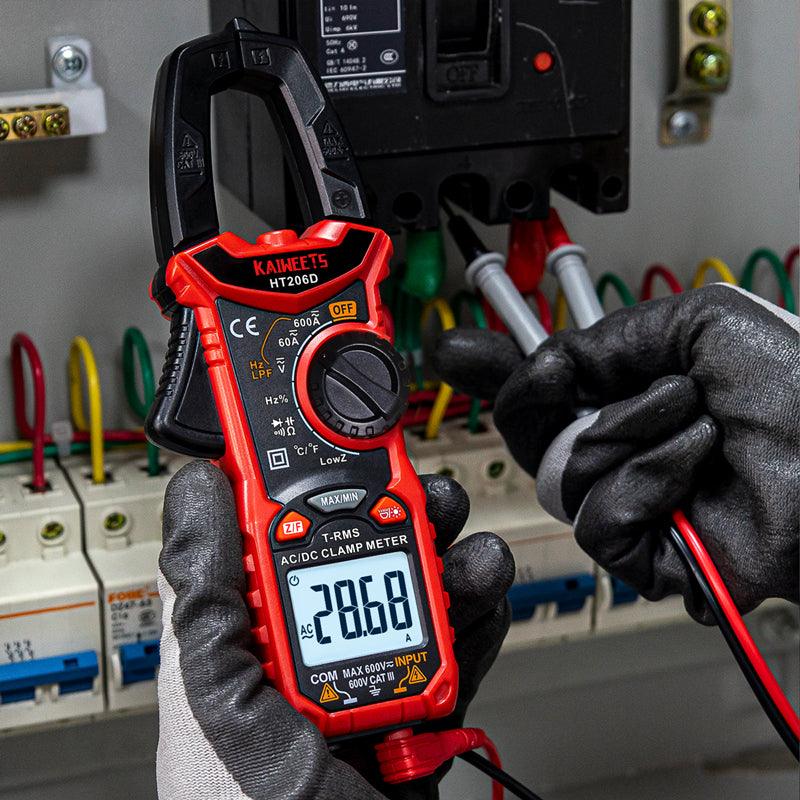
Safety note: De-energize exposed household wiring before handling it. Only a qualified person should perform live testing on mains circuits. Use a multimeter and test leads with a voltage and CAT rating suitable for the electrical environment. Inspect the meter before use, place the black lead in COM, and place the red lead in the voltage jack. Never use resistance or continuity mode on an energized circuit.
How do you check a red wire in a low-voltage DC circuit?
In a low-voltage DC circuit, the display polarity shows whether the red probe is at a higher or lower voltage than the black probe.
- Identify the expected voltage: Check the battery label or equipment diagram before testing.
- Select DC voltage: Set the meter to V⎓. Choose a range above the expected voltage if the meter is not auto-ranging.
- Use a verified reference: Touch the black probe to the known negative terminal or documented circuit ground. Touch the red probe to the red wire without allowing the probes to short adjacent terminals.
- Read the display: A positive reading means the red-probe point is at a higher potential than the black-probe point. A minus sign means it is at a lower potential. This only identifies the wire as positive or negative when the reference point is already known.
How do you identify a red wire in household AC wiring?
In household AC wiring, a red conductor is commonly checked to determine whether it is energized, not whether it is positive or negative.
- Turn off the circuit: Switch off the correct breaker and prevent it from being turned back on while the wiring is exposed.
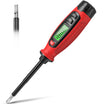
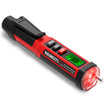
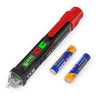
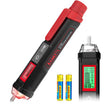
- Verify the meter: Confirm that the tester works on a known source before relying on it to check the circuit.
- Verify that power is off: Test the relevant conductor combinations with equipment rated for the circuit. Do not handle the wire until absence of voltage has been confirmed.
- Use live testing only when necessary: If the wire’s energized state must be measured, a qualified person can test AC voltage between the red conductor and an identified neutral or equipment grounding point.
- Interpret the result carefully: A normal line-voltage reading indicates that the red conductor is energized relative to the reference point. A zero or low reading does not prove that the wire is neutral or permanently safe. The circuit may simply be switched off or open. The chosen reference point may also be incorrect.
For a broader explanation of meter settings and probe placement, see this guide to using a multimeter.

Frequently Asked Questions
Is the red wire positive or negative?
A red wire is commonly positive in a DC system, but it is usually an energized conductor in household AC wiring. Check the system type and wiring diagram before assigning polarity or function.
Is the red wire always positive?
No. Color is a convention rather than proof. A red wire may be positive in a battery circuit, but it may serve as a hot, switched, or phase conductor in AC wiring.
What does a minus sign mean when testing a red wire?
On a DC voltage setting, a minus sign means the red probe is at a lower electrical potential than the black probe. It does not identify the wire by itself unless the black probe is connected to a verified reference point.
What happens if hot and neutral wires are reversed?
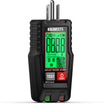
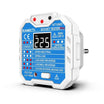
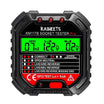
Reversed hot and neutral connections create a serious shock hazard. An appliance may still operate, but its switch can interrupt the neutral side while internal parts remain energized. The wiring should be corrected by a qualified electrician.
Does a zero-voltage reading mean the red wire is safe?
No. A zero reading can result from an open switch or a disconnected circuit. The reference point may also be incorrect. Confirm that the tester works before and after the check, and follow an approved de-energization procedure before touching the conductor.
What Should You Remember About Red Wires?
A red wire does not have one universal meaning. It often marks positive in low-voltage DC systems, while it commonly identifies an energized conductor in AC wiring. Use the circuit documentation and a properly rated tester rather than relying on color alone. For exposed mains wiring, de-energize the circuit and consult a qualified electrician when the conductor’s function is uncertain.
Dig deeper:

Commenta
Nota che i commenti devono essere approvati prima di essere pubblicati.
Questo sito è protetto da hCaptcha e applica le Norme sulla privacy e i Termini di servizio di hCaptcha.