









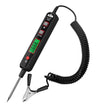
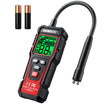
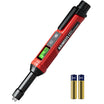
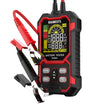

As the weather transitions from summer to winter, your heating, ventilation, and air conditioning (HVAC) system is put under greater stress.
The blower motor is one of the most important components of your HVAC system, and it's important to know how to test it to ensure that it's in good working condition. Learning how to use a multimeter for basic HVAC troubleshooting makes this diagnostic process quick, simple, and safe.
What exactly are blower motors?
A blower motor is a type of fan that is used to circulate air through a heating or cooling system. Blower motors come in a variety of sizes and speeds, and can be used for both Residential and Commercial applications.
HVAC systems typically use Centrifugal (Squirrel Cage) fans. The motors powering them are either PSC (Permanent Split Capacitor)—reliable but single/multi-speed—or ECM (Electronically Commutated Motors), which offer superior variable speed efficiency.
This resistance test is for standard PSC motors. ECM motors have integrated control boards and require specialized diagnostic tools.
Blower motors are an essential part of any heating or cooling system, and can be used in a variety of applications. If you need a new blower motor for your home or business, contact your local HVAC contractor to discuss your options.
Types of blower motors:
Single-speed:
The most common type of blower motor, these motors have only one speed and are typically used in lower-end furnaces.
Multi-speed:
A step up from the single-speed motor, multi-speed motors offer two or more speeds, which gives the furnace more control over heating your home. These motors are typically found in higher-end furnaces.
Variable speed:
The best type of blower motor on the market, variable speed motors offer an infinite number of speeds, which allows for very precise heating and cooling. Variable speed motors are extremely energy efficient and can save you money on your utility bills.
List the equipment and supplies you'll need for the test:
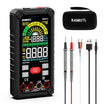
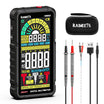
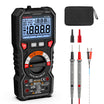
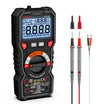
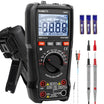
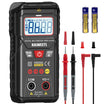
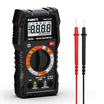
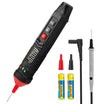
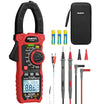
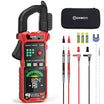
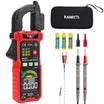
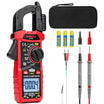
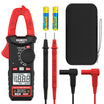
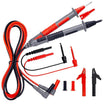
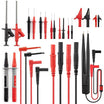
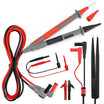
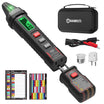
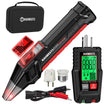
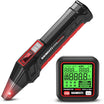
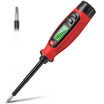
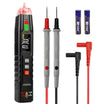
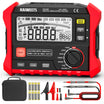
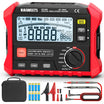
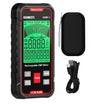
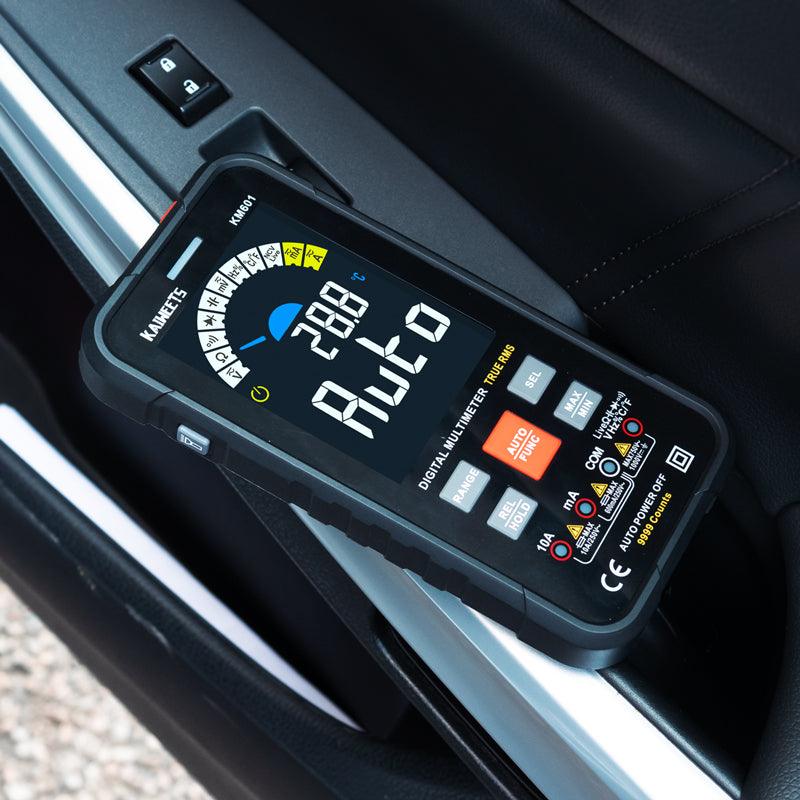
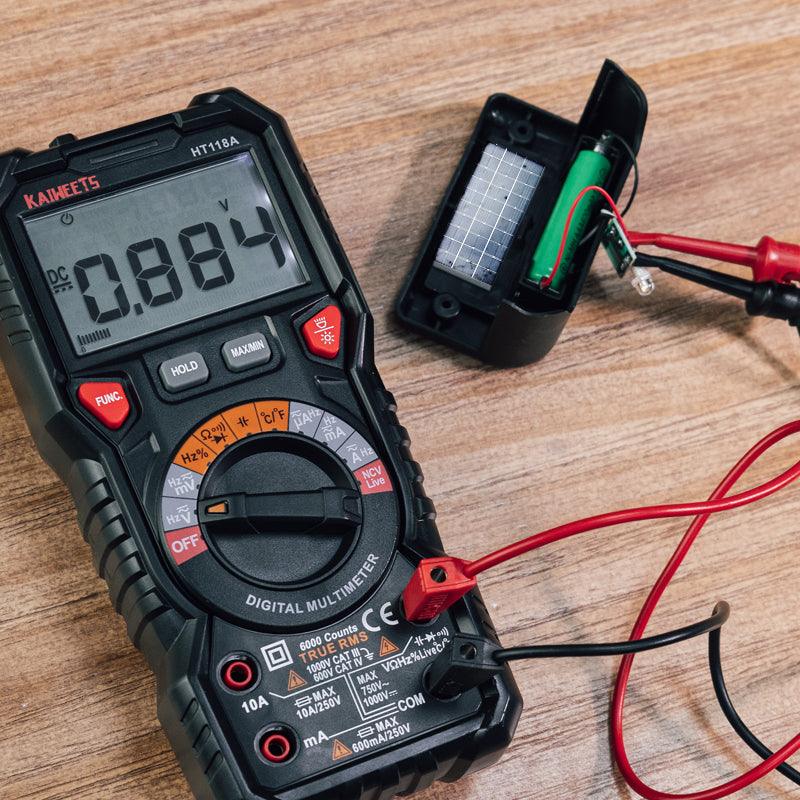
- A multimeter
-
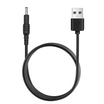
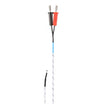
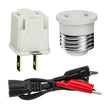
A test lead
- Insulated tools and safety gloves
How to test a blower motor with multimeter?
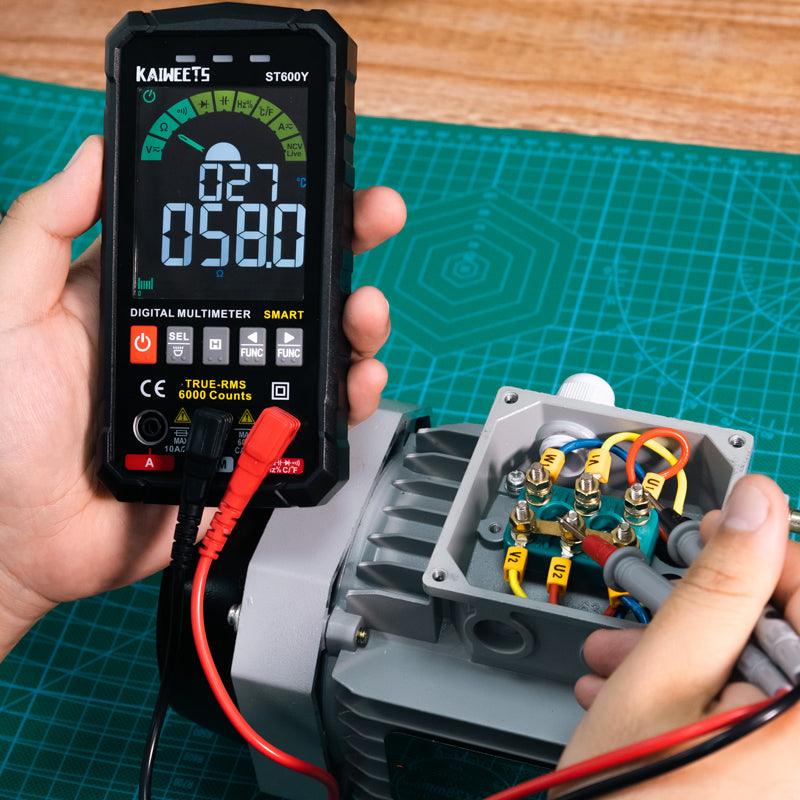
To test a blower motor with a multimeter, first set your multimeter to the Ohms (Ω) setting. Touch the probes to the motor’s power terminals. A reading of "OL" or infinity indicates an open winding (defective). A resistance of 0.1 to 0.5 ohms (near zero) might indicate a shorted winding, while a reading between 5 and 50 ohms is typical for most HVAC blowers. Crucially, also test from each terminal to the motor's metal frame; any continuity (a reading other than OL) means a dangerous "ground short," and the motor must be replaced.
If you don't have a multimeter, check the run capacitor first. Many HVAC blower issues are caused by a bulged or leaked capacitor rather than the motor itself. If the motor hums but won't spin, the capacitor is likely the culprit.
Testing a blower motor with a multimeter is a quick and easy way to check its condition. By doing this test, you can easily determine whether or not the blower motor needs to be replaced.
Frequently Asked Questions:
How do you know if you have a bad blower motors?
There are several ways you can tell if your blower motor is going bad. One way to tell is by listening for strange noises coming from the motor. Another way to tell is by checking the voltage at the motor terminals. If you notice that the voltage is low, this could be an indication that the motor is going bad. Finally, you can check the amperage draw of the motor. If you notice that the amperage draw is high, this could also be an indication that the motor is going bad. By being aware of these signs, you can take action to fix the problem before it gets worse.
How many volts should a blower motor receive?
For residential HVAC systems, the motor typically requires 115V or 230V AC. Always verify the voltage on the motor's data plate before testing live power, as applying the wrong voltage will cause permanent damage.
What makes a blower motor go bad?
There are a few key things that can cause a blower motor to go bad. One of the most common is simply age and wear and tear. Over time, the parts in the motor can break down or become damaged, which can lead to it not working properly. Additionally, dirt and debris can build up on the motor, causing it to work less efficiently and eventually fail.
Another common cause of blower motor failure is improper maintenance. If the motor isn't regularly cleaned and lubricated, it will eventually start to have problems. Additionally, if the wrong kind of oil or grease is used on the motor, it can damage the parts and cause it to fail.
Finally, if the motor isn't sized correctly for the application it's being used in, it can also fail prematurely. For example, if a blower motor is too small for the space it's trying to heat or cool, it will have to work harder and will eventually burn out.
If you think your blower motor may be going bad, it's important to have it checked out by a professional as soon as possible. Depending on the problem, it may be able to be repaired or replaced. However, if the damage is severe, it may need to be replaced entirely.
Conclusion:
A multimeter is your best diagnostic tool. However, remember that restricted airflow (dirty filters) is the leading cause of motor burnout. Testing the motor is step one; maintaining your filters is step two to ensure your new motor lasts.

Commenta
Nota che i commenti devono essere approvati prima di essere pubblicati.
Questo sito è protetto da hCaptcha e applica le Norme sulla privacy e i Termini di servizio di hCaptcha.