


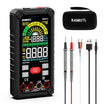
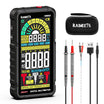
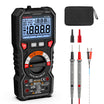
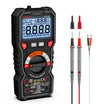

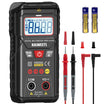
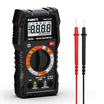

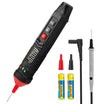


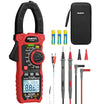
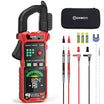
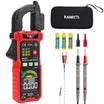
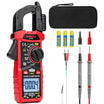

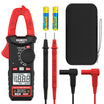

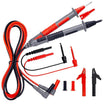


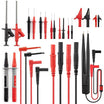
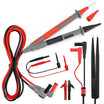

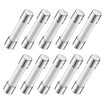
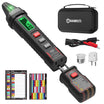
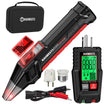
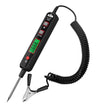
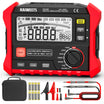
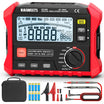
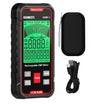





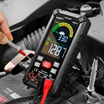
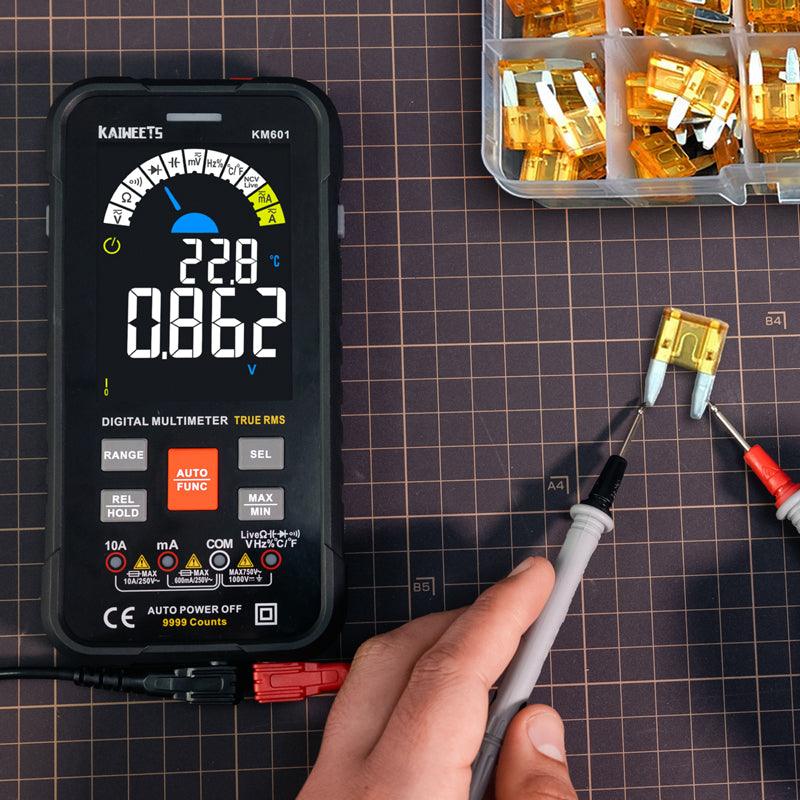
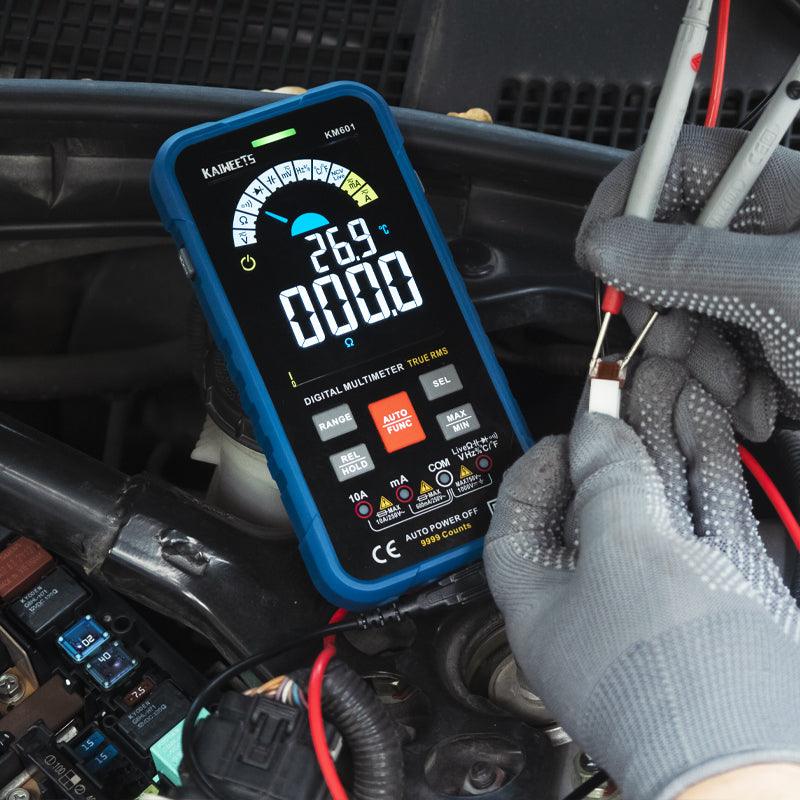
A digital multimeter can confirm whether a car fuse is intact or blown. The most reliable method is to remove the suspected fuse, then check it with continuity mode or the resistance setting.
A fuse may blow because a circuit has a wiring fault or a component is drawing too much current. Replacing the fuse can restore power, but a fuse that blows again needs diagnosis rather than repeated replacement.

What does a car fuse do?
A car fuse protects a circuit by opening when excessive current flows through it. This helps prevent the circuit wiring from overheating and reduces the risk of further electrical damage.
Most vehicles have more than one fuse box. One may be in the cabin, while another may be in the engine compartment. Use the fuse-box diagram or the owner's manual to identify the fuse assigned to the affected circuit.
Fuses are designed to fail when there is a problem. A blown fuse can be caused by a wiring fault or a failed electrical component. An incorrectly installed accessory can also overload a circuit.
What are the signs of a blown car fuse?
A blown fuse often causes one electrical function to stop working while other vehicle systems continue to operate normally.
- A single accessory, light, or control stops working.
- The metal link inside a clear fuse appears broken or darkened.
- A multimeter shows an open circuit when the fuse is tested.
Dim lights, flickering electronics, or a burning smell are not proof that a fuse has blown. If you notice heat, melted plastic, or a burning odor near a fuse box, stop using the vehicle and have the electrical system inspected by a qualified technician.
If a safety-related vehicle system is not working, do not assume the vehicle is safe to drive until the fault has been identified.
How do you test a car fuse with a digital multimeter?
To test a car fuse accurately, turn the vehicle off, remove the fuse, and check for continuity or very low resistance across its terminals.
Before you begin
Park the vehicle safely, switch off the ignition and accessories, and use the owner's manual to identify the correct fuse. Do not use continuity or resistance mode on an energized circuit.
Use a functioning digital multimeter with the black lead in the COM port and the red lead in the V/ohms port. Do not use the current-measurement port or current mode for this test.
- Find the suspected fuse. Match the affected function to the fuse-box legend in the owner's manual or on the fuse-box cover.
- Inspect the fuse first. On many blade fuses, a broken metal strip is visible through the plastic. A visual check is useful, but a meter test is more reliable when the element is difficult to see.
- Remove the fuse. Use the vehicle's fuse puller or a suitable nonconductive tool. Removing it isolates the fuse and avoids misleading readings through the rest of the circuit.
- Set up the multimeter. Select continuity mode, usually marked with a sound-wave symbol, or select the lowest resistance range. Touch the probes together to confirm that the meter beeps or displays a very low reading.
- Test both fuse terminals. Touch one probe to each metal blade or metal end cap. Probe position does not matter for a standard fuse continuity test.
- Read the result. A beep in continuity mode or resistance close to zero indicates an intact fuse. No beep and an open-circuit display, often shown as OL, indicates a blown fuse.
| Multimeter result | What it means | Next step |
|---|---|---|
| Beep or very low resistance | The fuse has continuity and is likely intact. | Check the circuit, switch, wiring, or affected component. |
| No beep or open-circuit reading | The fuse is blown. | Replace it only with the specified fuse type and rating. |
| Replacement fuse blows again | The circuit still has an overcurrent fault. | Have the vehicle inspected by a qualified technician. |
Hybrid and electric vehicles contain high-voltage systems that require vehicle-specific safety procedures. Do not work on orange high-voltage cables, connectors, or related fuse assemblies unless you are qualified to service that system.
How should you replace a blown car fuse?
Replace a blown car fuse only with a fuse of the same type and exact amperage rating specified by the vehicle manufacturer.
The rating is usually printed on the fuse and listed on the fuse-box cover or in the owner's manual. Never install a higher-amperage fuse to stop it from blowing. Do not substitute wire, foil, or another metal object for a fuse.
- Confirm the replacement fuse has the correct type and amperage rating.
- Push the new fuse fully into the same slot.
- Reinstall the fuse-box cover.
- Test the affected function.
If the new fuse fails immediately or soon after replacement, the underlying electrical problem has not been fixed. Arrange professional diagnosis before trying another fuse.
Frequently asked questions
Can I replace a car fuse myself?
Yes, many standard blade fuses can be replaced by a vehicle owner. Follow the owner's manual, use the correct replacement rating, and stop if the fuse box or surrounding wiring shows heat damage.
Can I test a fuse without removing it?
Some blade fuses have test points that allow an in-place voltage check. That method requires an energized circuit and an understanding of the vehicle wiring. Removing the fuse and testing continuity is the simpler method for most owners.
Why does a replacement fuse keep blowing?
A fuse that keeps blowing indicates excessive current in that circuit. The cause may be a shorted wire or a failed component, so the circuit should be inspected before another replacement is installed.
What should I do if the fuse box is damaged?
Do not attempt to bypass or modify a damaged fuse box. Have melted terminals, loose connections, or damaged wiring assessed and repaired by a qualified automotive technician.
Dig deeper:

Commenta
Nota che i commenti devono essere approvati prima di essere pubblicati.
Questo sito è protetto da hCaptcha e applica le Norme sulla privacy e i Termini di servizio di hCaptcha.