

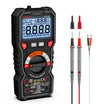
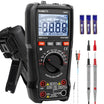

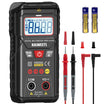
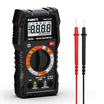

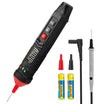


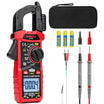

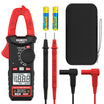



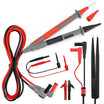


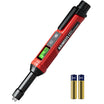
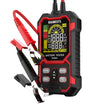
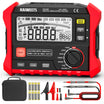
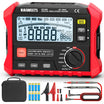
















Testing a magneto coil with a multimeter can help you find an open or shorted winding. It can also show whether the kill wire is grounding the ignition circuit.
This test is useful when an engine has weak spark or no spark. It is most common on small engines that use a magneto ignition system.
What Is a Magneto Coil?
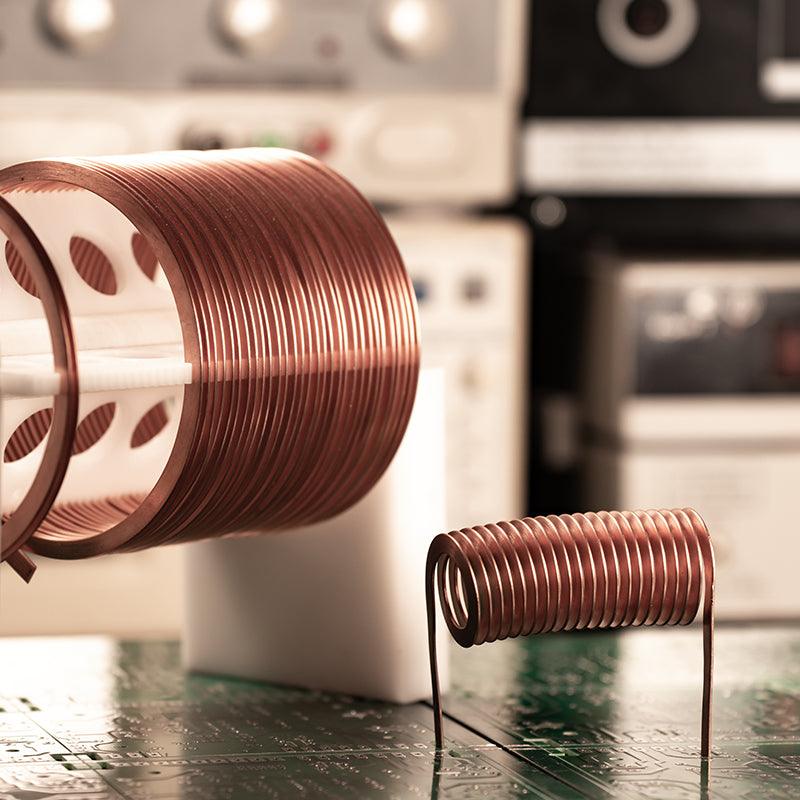
A magneto coil is an ignition coil that helps create spark without needing a separate charging system.
In a typical small engine, magnets on the flywheel pass close to the coil as the engine turns. This movement helps generate the electrical pulse that fires the spark plug.
The exact design depends on the engine. Some systems use a simple ignition coil. Others use a CDI system with separate trigger circuits.
For this reason, do not assume that every magneto coil has the same resistance value. Always compare your reading with the service manual for your engine.
Which Parts Are In a Magneto Ignition System?
A magneto ignition system usually includes the flywheel magnets, ignition coil, and stop circuit.
These parts work together, but they should not all be tested the same way.
- Flywheel magnets: These pass close to the coil and help generate the ignition pulse.
- Ignition coil: This sends high voltage to the spark plug lead.
- Kill wire: This grounds the ignition circuit when the engine is switched off.
Some engines also use a pickup coil or CDI module. If your engine has those parts, test them with the wiring diagram for that exact model.
Can You Test a Magneto Coil With a Multimeter?
Yes, a multimeter can test coil resistance and unwanted continuity to ground.
This helps you find clear electrical faults. For example, an open winding usually shows no continuity. A shorted winding may show a value that is far below specification.
The limitation is important. A multimeter cannot fully prove that the coil will make strong spark while the engine is running. Briggs & Stratton recommends using a spark tester when checking a small-engine ignition coil under cranking conditions.
What Tools Do You Need Before Testing?
You need a multimeter, a spark tester, and the correct service information.
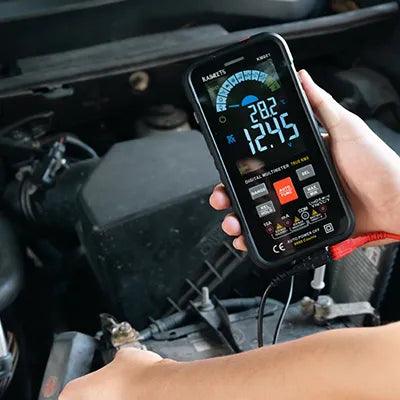
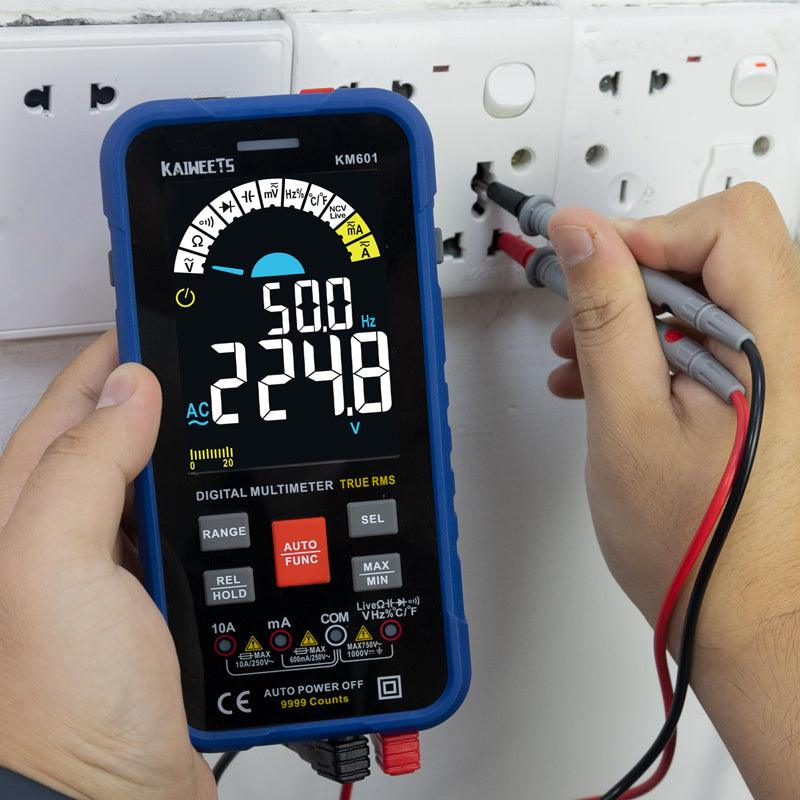
- Digital multimeter: Use it for resistance and continuity checks.
- Spark tester: Use it to confirm whether spark is present.
- Service manual: Use it for the correct resistance range.
- Basic hand tools: Use them to access the coil safely.
For this test, the main meter settings are Ω and continuity. If you are new to meter setup, the basic process is similar to any standard guide on how to use a multimeter.
How Do You Test a Magneto Coil With a Multimeter?
To test a magneto coil, isolate the coil and compare its resistance readings with the service manual.
-
Make the engine safe.
Turn the engine off and let it cool. Remove the key if the equipment has one. Disconnect the battery ground cable if a battery is installed.
-
Move the spark plug lead away from the plug.
This helps prevent accidental starting. Keep the lead away from the plug tip while you work.
-
Inspect the coil first.
Look for cracks or burn marks. Also check whether the spark plug lead is loose.
-
Disconnect the kill wire.
A grounded kill wire can make a good coil look bad. Disconnect it before judging the coil.
-
Check your meter leads.
Touch the probes together and note the reading. If your meter has a relative mode, use it before low-ohm testing.
-
Measure the primary winding.
Set the meter to ohms. Touch the probes to the primary test points shown in the service manual.
-
Measure the secondary winding.
Place one probe at the spark plug terminal. Place the other probe on the coil ground or the specified terminal.
-
Check for an unwanted short.
Test between the coil terminal and ground where the manual says there should be no connection.
-
Confirm the result with a spark tester.
Reconnect the coil. Crank the engine and watch for spark in the tester window.

How Do You Read Magneto Coil Test Results?
The correct reading is the value listed for your exact coil.
Do not rely on one universal ohm range. Primary resistance is often low, while secondary resistance is usually much higher. The correct values depend on the coil design.
| Result | Possible meaning | Next step |
|---|---|---|
| OL or infinite resistance | The winding may be open. | Retest with clean probe contact. |
| Near zero where a higher value is expected | The winding may be shorted. | Compare with the manual. |
| Within specification | The winding is not obviously open. | Confirm spark with a spark tester. |
| No spark with normal resistance | The fault may appear under load. | Check spark while cranking. |
| Spark disappears when hot | The coil may be heat-sensitive. | Test immediately after the stall. |
Should You Test the Spark Plug Too?
Yes, the spark plug should be checked before replacing the magneto coil.
A bad plug can make the ignition coil look weak. Remove the plug and inspect the tip. Heavy carbon or a cracked insulator can reduce spark.
Also check the plug gap with a feeler gauge. Use the value in the engine manual. If the plug is old or damaged, replacing it is often faster than testing it further.
What Else Can Cause No Spark?
No spark does not always mean the magneto coil is bad.
Check the stop circuit before replacing the coil. A grounded kill wire can shut the ignition off even when the coil is still good.
Check the coil air gap as well. Briggs & Stratton notes that the ignition armature must be set at the correct distance from the flywheel. The repair manual should provide the exact gap for your engine.
- Grounded kill wire: This can keep the ignition circuit off.
- Faulty stop switch: This can ground the coil by mistake.
- Wrong coil gap: This can weaken spark.
- Loose plug cap: This can interrupt the spark path.
- Dirty flywheel magnet: This can reduce ignition strength.
What Safety Mistakes Should You Avoid?
The safest method is to disconnect power before resistance testing.
Never measure resistance on a live circuit. Resistance and continuity checks are only for unpowered parts.
Do not hold the spark plug wire by hand during a spark test. Use a spark tester and keep fuel vapor away from the test area.
For workplace equipment, follow proper lockout procedures before service. OSHA explains that lockout and tagout practices help prevent unexpected startup during maintenance.
If your work involves higher-energy electrical systems, use a meter with the right CAT rating. Fluke explains that CAT-rated meters are designed for different electrical environments.
Frequently Asked Questions
What type of multimeter should I use to test a magneto coil?
Use a digital multimeter that can measure low resistance clearly. A continuity function is also helpful.
What is a good ohm reading for a magneto coil?
A good reading is the value listed in the service manual. There is no single correct value for every magneto coil.
Does a good resistance reading prove the coil is good?
No. A resistance test can find some faults, but it cannot prove spark strength under load.
What if the coil does not pass the resistance test?
Clean the test points and measure again. If the result is still outside specification, replace the coil with the correct part.
Why does my engine have spark when cold but no spark when hot?
The coil may fail after it heats up. Test spark immediately after the engine stalls.
Can I test a CDI or pickup coil the same way?
You can use a multimeter, but the test points are different. Follow the wiring diagram for your engine.
Final Note
Testing a magneto coil with a multimeter is a good first step when spark is weak or missing.
Start by isolating the coil. Then measure resistance and compare the reading with the service manual. If the reading looks correct, use a spark tester before replacing parts.
This method helps you avoid guessing. It also helps you find simple problems before buying a new coil.


Leave a comment
All comments are moderated before being published.
This site is protected by hCaptcha and the hCaptcha Privacy Policy and Terms of Service apply.