
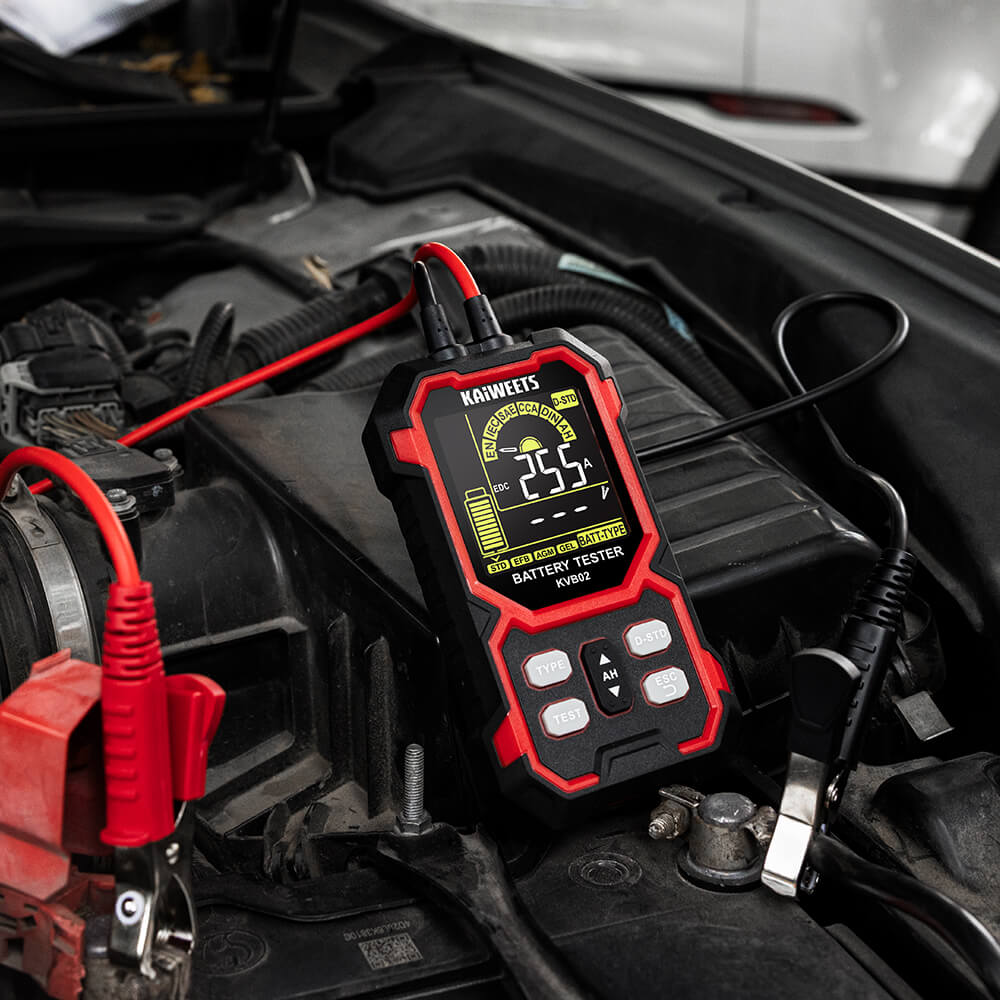
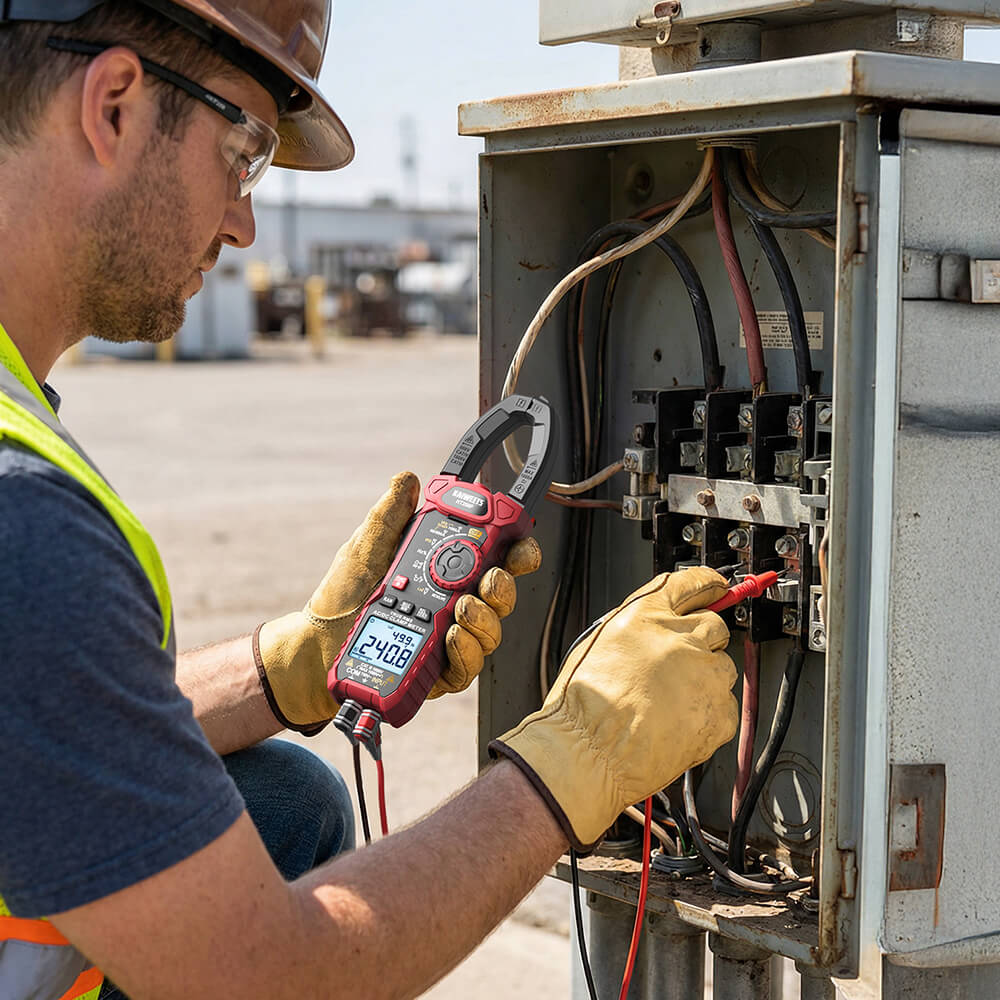

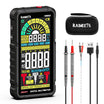
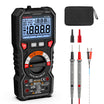
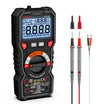
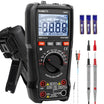




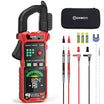
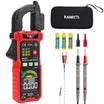
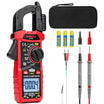

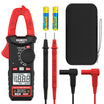




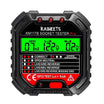
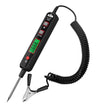
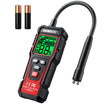
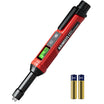
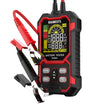
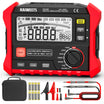
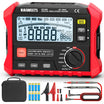
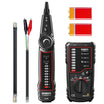


Homologué ETL est une marque de certification de sécurité des produits qui indique qu'un produit a été testé de manière indépendante par Intertek et certifié conforme aux normes de sécurité applicables. Pour toute personne travaillant avec ou autour de systèmes électriques, comprendre ce que signifie cette marque peut vous aider à choisir des outils avec plus de confiance.
Pourquoi la certification ETL est importante
Lorsque vous achetez des outils de test électrique en ligne, les pages de produits mettent souvent en avant les tensions nominales, les fonctionnalités et les allégations relatives à la sécurité. Mais ces allégations ne vous disent pas toujours si l'outil a été testé de manière indépendante.
C'est là que la marque Homologué ETL devient utile. Elle offre aux acheteurs un moyen de vérifier si les allégations de sécurité d'un outil sont étayées par un organisme de certification reconnu, plutôt que de se fier uniquement aux dires du vendeur.
C'est important lorsqu'un outil est utilisé à proximité d'électricité sous tension. La sécurité ne se résume pas à ce que dit la page du produit. Il s'agit aussi de savoir si l'outil a été testé dans les conditions pour lesquelles il est destiné.
Comment fonctionne la certification Homologué ETL ?
La marque Homologué ETL est délivrée par Intertek, un organisme de test et de certification. Intertek est reconnu par l'OSHA comme un Laboratoire d'Essais Reconnu au Niveau National (NRTL), ce qui signifie qu'il peut tester et certifier des produits dans le cadre de son champ d'application reconnu.
Voici ce qui se passe réellement avant que cette marque ne se retrouve sur un produit :
- Soumission : Un fabricant envoie son produit à un laboratoire Intertek.
- Test : Les ingénieurs d'Intertek le soumettent à des tests de résistance par rapport aux normes américaines/canadiennes.
- Homologation : Les produits ayant réussi les tests sont inscrits dans un répertoire public et obtiennent la marque.
Le point clé à retenir : la marque ETL n'est pas auto-déclarée. Un tiers neutre a effectué le travail – et continue de le faire.
Outils électriques où la certification ETL est pertinente à vérifier
Tout outil qui touche des circuits sous tension – ou qui vous aide à déterminer si quelque chose est sûr à toucher – devrait porter une certification indépendante.
| Outil | Pourquoi la certification est importante |
|---|---|
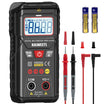
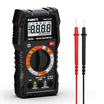
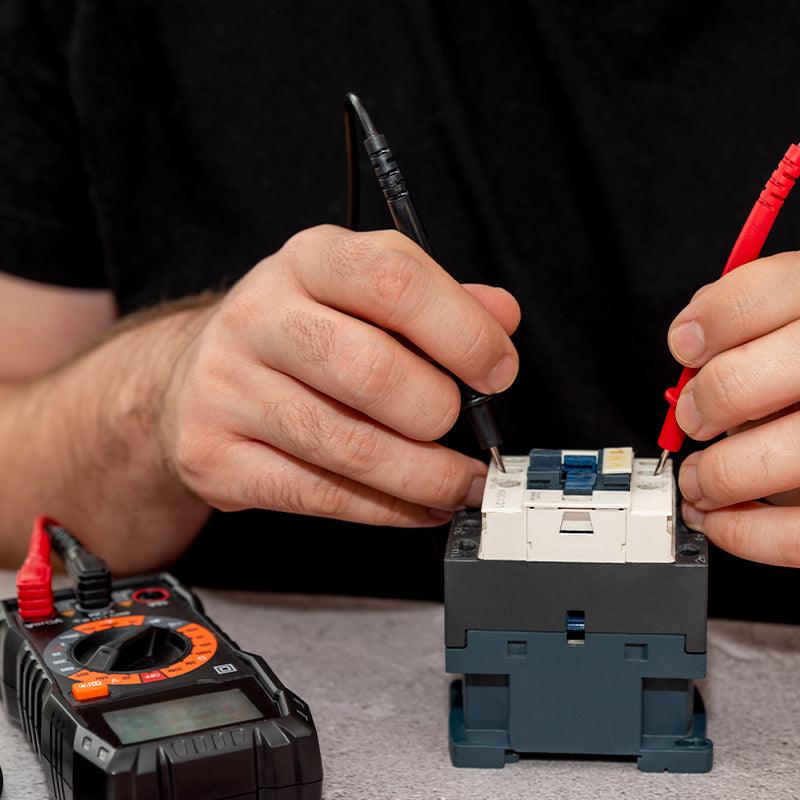
| Multimètres numériques | Contact direct avec des circuits sous tension ; les composants internes doivent résister à des pics de haute tension sans exploser. |
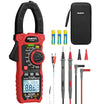
| Pinces ampèremétriques | Mesure le courant autour de conducteurs sous tension, souvent dans des espaces de panneau restreints à haute tension. |
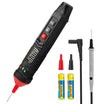
| Testeurs de tension sans contact | Une fausse "voie libre" d'un testeur non certifié est un danger grave — des tests indépendants vérifient la fiabilité de la détection. |
| Testeurs de résistance d'isolement | Génère une haute tension pendant l'utilisation pour tester l'isolation des câbles — l'enveloppe de sécurité de l'outil doit être vérifiée indépendamment. |
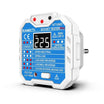
| Localisateurs de disjoncteurs | Se branche directement sur des prises sous tension pour tracer les circuits — la même norme de sécurité s'applique à tout appareil connecté à votre câblage. |
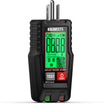
| Testeurs de prises GFCI | Se branche sur des prises sous tension pour vérifier le câblage et la protection différentielle — un outil de sécurité doit lui-même être certifié. |
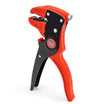
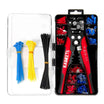
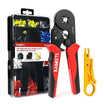
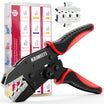
Qu'en est-il des dénudeurs de fils, des pinces et autres outils à main ? Pour les outils à main mécaniques standard, la marque Homologué ETL n'est généralement pas celle que les acheteurs doivent rechercher. Si l'outil est isolé pour les travaux électriques sous tension, recherchez plutôt des normes telles que ASTM F1505 ou IEC 60900.
Un testeur de tension KAIWEETS homologué ETL
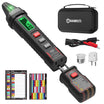
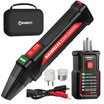
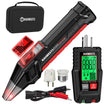
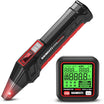
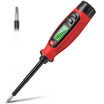
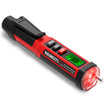
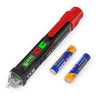
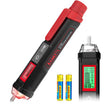
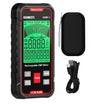
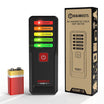
Le KAIWEETS KTL01 est un testeur de tension sans contact homologué ETL permettant de vérifier la présence de tension CA avant tout contact avec le câblage ou l'équipement électrique. Il est conçu pour être utilisé lors de l'inspection de prises, d'interrupteurs, de disjoncteurs et de câbles, où une certification de sécurité vérifiée indépendamment est une considération importante.

Testeur de tension sans contact KAIWEETS KTL01
Homologué ETL | CAT IV 1000V | CA 12-1000V | Détection NCV à double plage
Voir le KTL01Comment repérer et vérifier la marque ETL
La trouver sur un produit :
Sur la plupart des produits de consommation, la marque ETL apparaît au bas ou à l'arrière de l'appareil, sur l'emballage ou à l'intérieur du manuel du produit. Elle apparaît généralement à côté d'autres mentions importantes – en particulier les catégories de mesure (CAT ratings) – qui indiquent le niveau de sécurité en tension de l'outil pour différents environnements de travail.
Vérifier sa légitimité :
- Visitez intertek.com et naviguez vers leur base de données de certification.
- Recherchez par nom de marque, nom de produit ou numéro de modèle.
- Une liste authentique affichera les détails du produit, les normes applicables et le statut de certification actuel.
Signaux d'alerte à surveiller :
- Un logo qui ressemble à ETL mais légèrement différent — les marques contrefaites sont plus courantes que la plupart des gens ne le réalisent, en particulier sur les outils vendus par des vendeurs tiers sur les marchés.
- Aucune correspondance de numéro de modèle dans la base de données Intertek.
- Une catégorie de mesure (CAT rating) imprimée sur l'outil sans marque de certification de sécurité correspondante — les catégories de mesure sans vérification par un tiers sont essentiellement dénuées de sens.
La certification ETL signifie-t-elle qu'un produit est entièrement sûr ?
La certification ETL signifie que le produit respectait les normes de sécurité établies au moment des tests – ce qui est une assurance significative et importante. Mais ce n'est pas une garantie absolue que rien ne peut jamais mal tourner. Quelques mises en garde importantes :
- L'utilisation correcte est toujours importante. Un multimètre certifié utilisé au-delà de sa plage de tension nominale, ou une pince ampèremétrique appliquée à un environnement CAT IV alors qu'elle n'est classée que pour CAT II, peut toujours être dangereuse. La certification définit l'enveloppe de fonctionnement sûr – elle ne la remplace pas.
- La certification couvre des conditions spécifiques. Le produit a été testé dans des scénarios définis. Les cas d'utilisation inhabituels ou extrêmes peuvent ne pas avoir été évalués.
- Les contrefaçons existent. Une marque sur l'emballage n'est pas automatiquement réelle – vérifiez toujours les marques inconnues dans la base de données Intertek avant de faire confiance à une allégation de certification.
En résumé : la certification ETL est l'un des signaux les plus forts de sécurité des produits que vous pouvez rechercher. Associez-la à la catégorie de mesure CAT appropriée pour votre application, et vous aurez fait preuve de diligence raisonnable.
Quelle est la différence entre ETL et UL sur les produits que j'achète ?
En tant qu'acheteur, il n'y a pas de différence pratique significative. ETL (Intertek) et UL (Underwriters Laboratories) sont tous deux des laboratoires d'essai indépendants reconnus par le même organisme gouvernemental américain – l'OSHA. Les détaillants, les inspecteurs du bâtiment et les régulateurs de la sécurité acceptent les deux marques de manière égale.
UL existe depuis plus longtemps et jouit d'une plus grande notoriété auprès du grand public. ETL est moins familier aux acheteurs occasionnels mais fonctionne selon des règles et des normes identiques. Dans le domaine des outils électriques professionnels, vous trouverez les deux marques sur des produits réputés – un multimètre avec une marque ETL a subi la même rigueur de test qu'un multimètre portant la marque UL.
Si vous choisissez entre deux outils autrement comparables et que l'un porte la marque ETL tandis que l'autre porte la marque UL, cette seule différence n'est pas une raison de préférer l'un à l'autre. Concentrez-vous plutôt sur la catégorie de mesure (CAT rating), les spécifications de tension et de courant, et si le modèle apparaît dans la base de données publique de l'organisme de certification.
Mon multimètre doit-il être homologué ETL ?
Pour une utilisation domestique occasionnelle – vérifier si une batterie est morte ou tester une simple prise – un outil non certifié présente un risque relativement faible dans la plupart des situations. Mais dès que vous travaillez sur des tensions plus élevées, des panneaux sous tension ou des travaux électriques professionnels, la certification cesse d'être facultative et devient essentielle.
Voici pourquoi : un outil de test électrique homologué ETL a été testé indépendamment pour confirmer que son isolation, sa protection contre les surcharges et ses composants internes peuvent supporter le stress électrique d'une utilisation réelle sans défaillance dangereuse. Un outil non certifié peut annoncer les mêmes spécifications sur le papier, mais aucune partie indépendante n'a vérifié ces allégations dans des conditions contrôlées.
Pour les électriciens agréés, la certification ETL ou UL sur l'équipement de test est souvent une exigence de sécurité au travail, pas seulement une préférence. Pour les bricoleurs sérieux travaillant sur le câblage domestique, les tableaux de disjoncteurs ou les installations de recharge de véhicules électriques, c'est la norme que nous recommanderions sans hésitation. La différence de prix entre un outil certifié et non certifié à un niveau de spécification comparable est rarement significative – mais la différence en termes d'assurance de sécurité vérifiée est substantielle.
Dois-je éviter les produits sans marque de certification de sécurité ?
Pas automatiquement, mais c'est un signal à prendre au sérieux, surtout dans la catégorie des outils électriques. Voici une façon pratique d'y réfléchir :
Soyez particulièrement prudent sans marque lors de l'achat :
- Multimètres, pinces ampèremétriques ou tout outil qui établit un contact direct avec des systèmes électriques sous tension.
- Tout ce qui se branche sur une prise murale ou consomme un courant important (chargeurs, multiprises, radiateurs d'appoint).
- Outils utilisés dans des environnements professionnels ou commerciaux où la conformité aux normes de sécurité peut être requise.
Moins de risques sans marque :
- Outils purement mécaniques sans composants électriques.
- Accessoires sans contact comme les sacs à outils, les étuis ou les mallettes de transport.
- Produits de marques établies avec de solides antécédents et des politiques de retour transparentes.
L'absence d'une marque ETL ou UL ne signifie pas automatiquement qu'un produit est dangereux, mais cela signifie qu'aucune partie indépendante n'a vérifié qu'il ne l'était pas. Dans un marché inondé de marques inconnues et de prix agressifs, une marque de sécurité reconnue est l'un des rares points de contrôle objectifs à votre disposition. Pour les équipements de test électrique en particulier, nous la considérons comme une base non négociable.
Références :

Laisser un commentaire
Tous les commentaires sont modérés avant d'être publiés.
Ce site est protégé par hCaptcha, et la Politique de confidentialité et les Conditions de service de hCaptcha s’appliquent.