

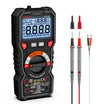
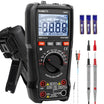

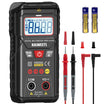
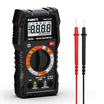

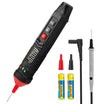


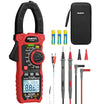
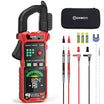
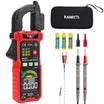
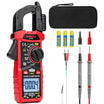

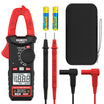



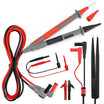







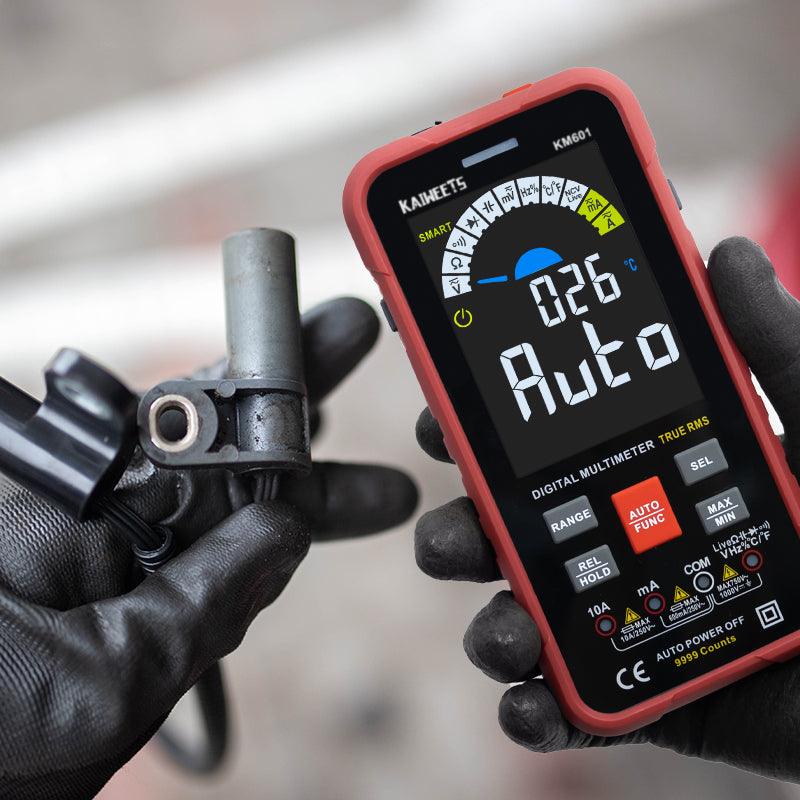
Car sensors are important components of a car's overall health. By testing car sensors with a multimeter, individuals can ensure that their car is running properly. This article will provide a step-by-step guide on how to test car sensors with a multimeter. By following these steps, individuals can easily and effectively test their car sensors.
If you are still getting familiar with a multimeter, it may help to review the basics first. Once you understand what the meter is telling you, the sensor checks below will be much easier to follow.
Step 1: Select the Appropriate Sensor
The first step in testing car sensors with a multimeter is identifying the correct sensor. Common sensors that can be tested include the crankshaft position sensor, camshaft position sensor, throttle position sensor (TPS), coolant temperature sensor, and vehicle speed sensor.
Each sensor serves a different function and requires a specific testing method, so knowing the sensor type is critical before proceeding.
Step 2: Connect the Multimeter
Before connecting the multimeter, locate the sensor and identify its terminals using the vehicle’s service manual or wiring diagram. Most sensors have power, ground, and signal wires.
Use back-probing techniques when possible to avoid damaging connectors, and ensure the ignition state (on or off) matches the test being performed.
Step 3: Test the Sensor
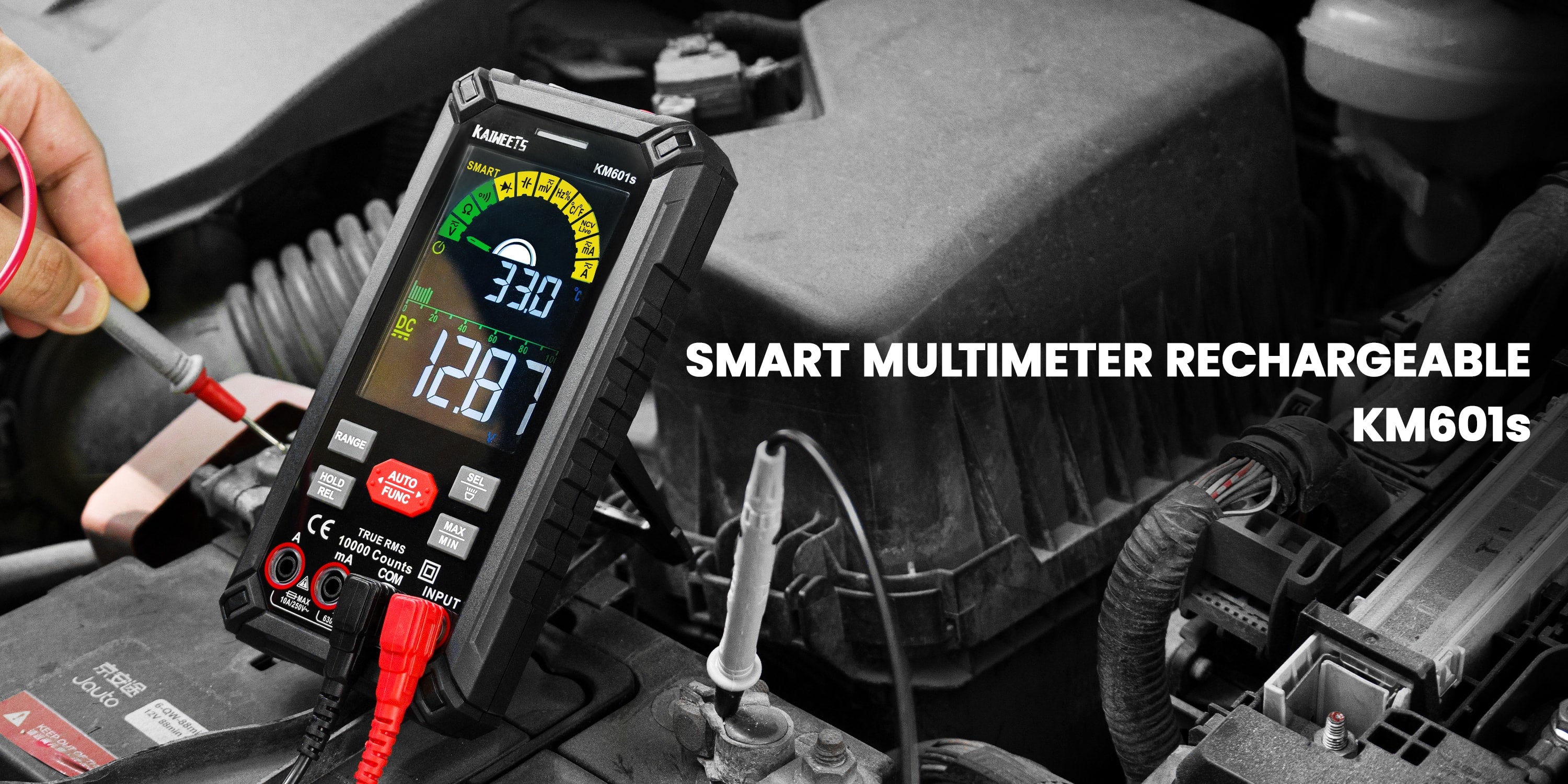
Set the multimeter to the correct measurement mode based on the sensor type. Voltage-based sensors should be tested using the DC voltage setting, while resistance-based sensors require the ohms (Ω) setting.
During testing, observe whether the readings are stable and fall within expected ranges. Sudden drops, no signal, or infinite resistance may indicate a faulty sensor.
Step 4: Interpret the Results
Compare the multimeter readings with manufacturer specifications. A properly functioning sensor should produce consistent readings within the specified range.
Readings that are out of range, fluctuate erratically, or show no response often indicate internal sensor failure or wiring issues.
Step 5: Take Action Based on the Results
If the sensor fails basic electrical tests, replacement is usually recommended. If readings appear normal but symptoms persist, further diagnosis using a scan tool or oscilloscope may be required to rule out ECU or wiring faults.
By following these steps, you can easily and effectively test your car sensors with a multimeter. By doing this, you can ensure that your car is running properly and avoid potential problems down the road.
How Can You Identify If Your Car Sensor is Bad?
There are two basic electrical checks you can perform on car sensors using a multimeter: voltage testing and continuity testing.
When testing voltage, verify that the sensor is receiving proper power and producing a signal. Continuity testing helps identify open or shorted circuits. A lack of voltage or continuity often indicates a faulty sensor or wiring issue.
Some other signs that may indicate a bad sensor are:
- The car is not starting
- The car is stalling
- Check engine light is on
- The car is running rough
If you are experiencing any of these issues, it is best to take your car to a mechanic and have them diagnose the problem. They will be able to tell for sure if the sensor is bad and replace it if necessary.
How to Test Automotive Crankshaft or Camshaft Position Sensor?
The crankshaft or camshaft position sensor is a critical component of a car's engine. This sensor helps to monitor the position of the crankshaft or camshaft and ensure that it is operating correctly. If this sensor is not working properly, it can cause serious problems with the engine.
There are two main ways to test the crankshaft or camshaft position sensor:
1) Multimeter:
To test the crankshaft or camshaft position sensor with a multimeter, you will first need to locate the sensor. The sensor is usually located near the engine, so you may need to consult your car's owner's manual to find its exact location. Once you have located the sensor, you will need to disconnect it from the engine.
Set the multimeter to the resistance (Ω) setting and measure between the sensor terminals. Most magnetic crankshaft or camshaft sensors typically read between 200 and 2,000 ohms, though specifications vary by vehicle. A reading far outside this range or infinite resistance usually indicates sensor failure.
Then, you will need to touch one of the multimeter's probes to the "+" side of the sensor and the other probe to the "-" side of the sensor. If the sensor is working properly, you should see a reading on the multimeter.
2) Oscilloscope:
To test the crankshaft or camshaft position sensor with an oscilloscope, you will first need to locate the sensor. The sensor is usually located near the engine, so you may need to consult your car's owner's manual to find its exact location. Once you have located the sensor, you will need to disconnect it from the engine.
Next, you will need to connect one of the oscilloscope's probes to the "+" side of the sensor and the other probe to the "-" side of the sensor. If the sensor is working properly, you should see a waveform on the oscilloscope.

Frequently Asked Questions:
How many ohms should a speed sensor read?
Most magnetic vehicle speed sensors typically read between 1,000 and 10,000 ohms, depending on the design and manufacturer. Always compare your readings with factory specifications, as values outside the normal range may indicate internal coil damage.
How can you test a vehicle speed sensor?
There are a few ways that you can test a vehicle speed sensor or VSS. One way is to use a multimeter to test the output of the sensor. Another way is to use an oscilloscope to check for signal integrity. Finally, you can also test the VSS by hooking it up to a lab scope and watching for waveform changes as the vehicle speed increases.
How do I know if my car sensor is working?
There are a few things that you can look for to know if your car sensor is working properly. One of the most obvious signs is that your car will run more smoothly. If you notice that your car isn't running as smoothly as it used to, then this could be an indication that your sensor isn't working correctly. Another thing you can look for is inconsistent idling. If your car sensor is having trouble detecting the correct air-fuel mixture, then it will cause your car to idle inconsistently.
You might also notice that your gas mileage has decreased. This is because your sensors play a role in how efficiently your engine burns fuel. If they aren't working correctly, then your engine won't be able to burn fuel as efficiently, which will result in lower gas mileage. If you notice any of these signs, then it's a good idea to take your car to a mechanic and have them check your sensors.
Final Thoughts:
Now that you know how to test car sensors with a multimeter, you can perform basic diagnostics and identify electrical issues before they become major problems. Regular sensor checks can help maintain performance, fuel efficiency, and overall vehicle reliability.


Dejar un comentario
Todos los comentarios se revisan antes de su publicación.
Este sitio está protegido por hCaptcha y se aplican la Política de privacidad de hCaptcha y los Términos del servicio.