


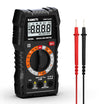

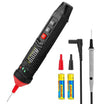


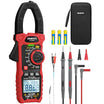
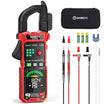


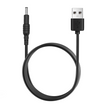
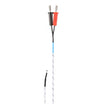
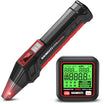
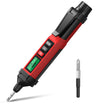
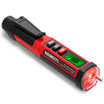
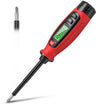
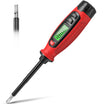
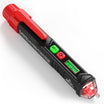
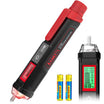

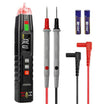

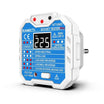
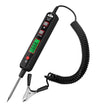
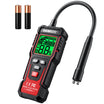
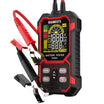
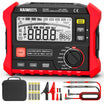
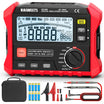
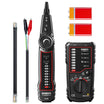
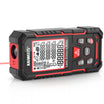
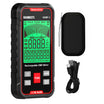
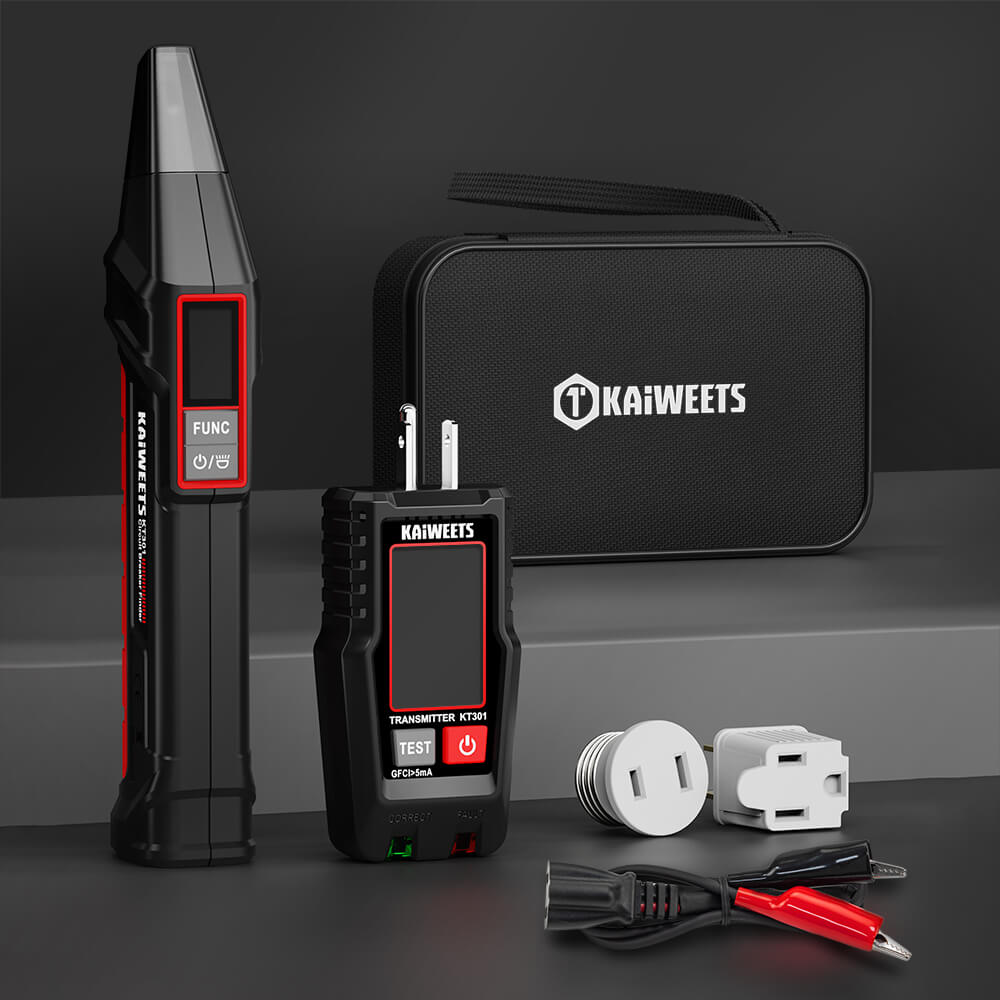
One common challenge beginner electricians face is identifying the right circuit breaker for an outlet or a light fixture. Since modern breaker panels house an array of circuit breakers and fuses that control different sets of outlets, it is often difficult to pinpoint the correct circuit breaker that controls a particular appliance.
In most cases, electricians and homeowners only have the option of guesswork, which involves switching off each circuit breaker or fuse. This is where circuit breaker finders come to the rescue.
What Is A Circuit Breaker Finder?
A circuit breaker finder, also known as a breaker finder or breaker locator, is a specialized electrical tool designed to quickly and safely determine which breaker in your panel controls a specific outlet, light fixture, or appliance.
Instead of relying on the inefficient “trial-and-error” method—where one person flips breakers one by one while another checks if the power is off—this tool eliminates the guesswork and reduces the risk of accidentally shutting down critical circuits.
If your breaker panel isn’t labeled—or the labels don’t make any sense—this device saves you from flipping breakers one by one just to find the right one.
Core Components and Working Principle
Most circuit breaker finders use a two-part system: a transmitter and a receiver, which work together to detect the electrical signal. You simply plug the transmitter into the outlet you want to trace, then use the receiver at the breaker panel to scan until it identifies the correct breaker.
In short, it makes the whole process of finding the right breaker faster, easier, and way less frustrating.
- Related Articles: How Does a Circuit Breaker Finder Work?

Transmitter
The transmitter is the part you plug into the outlet for which you are trying to find the right breaker. While some advanced models like the KAIWEETS KT301P include a built-in battery to power extra features such as the LCD display, the transmitter still requires a live outlet to function properly. When plugged into an outlet, it sends a signal to the receiver for breaker identification.
Receiver
The receiver is the other part of a circuit breaker finder. It receives a signal from the transmitter at the circuit breaker panel.
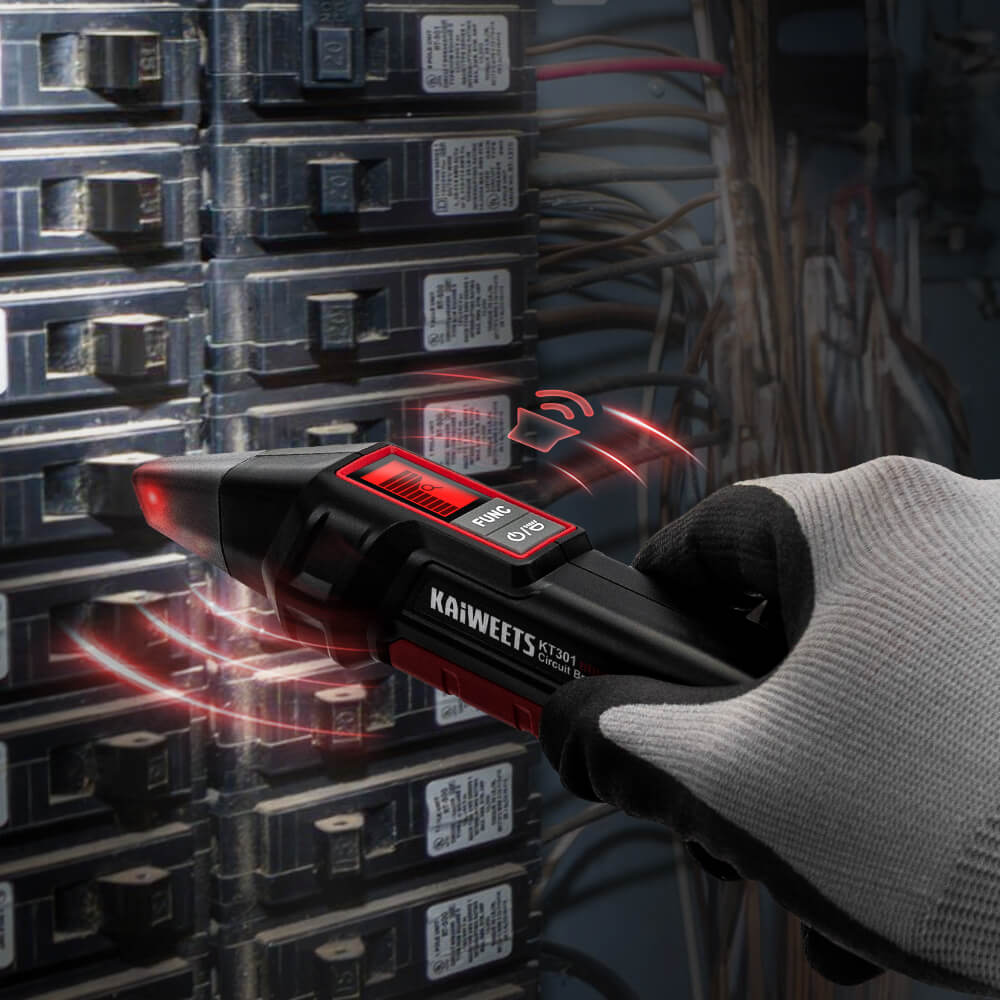
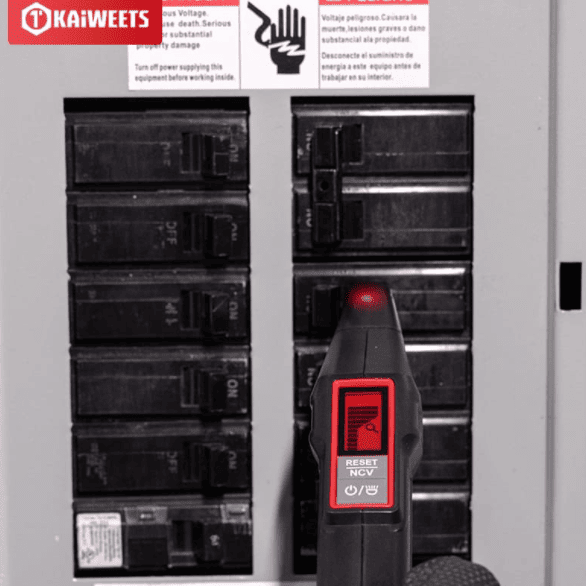
The receiver is moved over the circuit breakers or fuses in the panel and beeps once it passes over the breaker or fuse that carries the signal from the transmitter connected to one of its outlets. However, it is worth noting that some receivers flash instead of beeping when they find the correct breaker, while some do both beeping and flashing.
Types of Circuit Breaker Finder
Different models of circuit breaker finders are designed for specific electrical systems or use cases. There are four main types:
1. Standard AC circuit breaker finder (Most Common)
- Application: Suitable for 120V / 240V standard power outlets, such as those found in homes and offices.
- How it works: Plug the transmitter into the target outlet, then use the receiver at the breaker panel to scan.
- Best use case: Everyday residential or commercial settings—for locating the breaker that controls outlets, lamps, or small appliances.
2. Light Fixture / Circuit Tracers
- Application: Used for hard-to-reach devices like ceiling lights, fans, or recessed lighting, where no direct outlet is available
- How it works: First, switch off the power to the fixture. Disconnect the wires and attach the transmitter directly to the fixture wiring. Restore power briefly, then scan at the breaker panel.
- Safety note: Requires basic wiring knowledge to avoid electric shock. Always follow safety steps (e.g., test wires with a voltage tester before handling).
3. GFCI Breaker Locators
- Special feature: Designed specifically for GFCI outlets commonly found in kitchens, bathrooms, or outdoor areas.
- Key advantage: Some models can both locate the correct breaker and test whether the GFCI outlet is working properly—for example, by triggering the protection mechanism to verify it cuts off power.
4. Advanced Professional-Grade Tracers
- Features: Equipped with extra functions such as continuity testing (to check if wires are broken), voltage detection (to identify live wires), and other diagnostic capabilities for complex systems.
When Should You Use a Circuit Breaker Finder?
There are numerous scenarios in which a circuit breaker finder is super useful — whether you're troubleshooting a problem, doing some remodeling, or just trying to get a better sense of your home's electrical setup.
For example, if your panel is missing labels (or has confusing ones), a breaker finder helps you map out which switch controls which outlet, fixture, or device. This is especially useful in older homes or newly remodeled spaces where circuits don’t follow a clear pattern.
When you're swapping out a broken outlet or adding a new light fixture, you can instantly identify the correct breaker without trial and error. It's also perfect for labeling your panel correctly — something that can save you or future homeowners hours.
Even lighting circuits — which are sometimes harder to trace — can be identified using adapters that let the transmitter connect through a light socket.
If you're working alone, it saves you the trip back and forth to the panel. And in more complex systems, like commercial buildings, it keeps you from accidentally shutting off important equipment.
Who Uses a Circuit Breaker Finder?
A circuit breaker finder is not limited to one type of user — it’s practical for both professionals and everyday users. Typical groups include:
Electricians and maintenance engineers
Use breaker finders to quickly locate faulty breakers in the panel, avoiding accidental power cuts that may disrupt production. They are also valuable during electrical acceptance and inspection stages, helping verify wiring accuracy. In complex environments, features like automatic sensitivity adjustment make the tool even more reliable.
Homeowners, landlords, and property managers
Frequently deal with breaker trips or upgrades in houses, apartments, or residential complexes. A breaker finder helps them trace circuits accurately, label panels correctly, and even handle acceptance checks during renovations or property handovers.
Factory and facility managers
Rely on breaker finders to troubleshoot machinery, production lines, and other industrial systems. These scenarios often require tools compatible with wider voltage ranges (such as 90V–120V) and resistant to interference.
DIYers and contractors
Use breaker finders for safe renovations, fixture installations, home inspections, or general projects — all without the constant trial and error of flipping breakers.
Wire Tracer vs. Circuit Breaker Finder: What's the Difference?
Many DIY individuals mistake circuit breaker finders for wire tracers. The misconception is that the two devices work the same. This is not true, while both tools are used in electrical diagnostics, they serve different purposes.
A circuit breaker helps you identify which breaker controls a powered outlet or fixture. A wire tracer, by contrast, is designed to follow the physical path of wires, whether energized or not — useful for locating wire breaks or tracing hidden wiring behind walls.
| Circuit Breaker Finder | Wire Tracer | |
|---|---|---|
| Purpose | Identifies matching circuit breakers within an electrical panel | Traces the path of wires behind walls, and identifies the matching circuit |
| How it works | The transmitter is plugged into the powered outlet and the receiver is used at the breaker panel to detect a signal from the transmitter | A tone generator injects a signal into the wire, and the probe detects it via electromagnetic induction |
| Use cases | Useful when isolating a circuit in an unlabeled panel | Tracing wire paths behind walls, identifying breaks or shorts, and verifying cable labeling |
| Advantages | Easy and fast to use | Used in tracing wires behind walls and conduit installations |
| Challenges | Only works on energized circuits | Not ideal for beginners who lack the comprehensive knowledge of how the device works |
Looking for a circuit breaker finder for your electrical testing needs? Explore the KAIWEETS circuit breaker finder collection to compare available models and find the right tool for your application.
FAQs
Are circuit breaker finders worth it?
Yes, circuit breaker finders are worth it. As a DIYer, you will occasionally need the device when making repairs to an outlet or changing a light fixture. However, a circuit breaker finder is a must-have for every electrician, whether a newbie or a professional.
Are breaker finders safe?
Circuit breaker finders are safe to use even with no prior experience using the tool. Since using the electrical tool doesn't require getting in direct contact with any component of the electrical wiring, it is safe to use.
Similarly, using the device to locate the correct circuit breaker means you can switch off the right circuit to work on without disrupting other circuits in the electrical system.
Can I use a circuit breaker finder on a dead circuit?
No, you can't use a circuit breaker finder on a dead circuit. The transmitter needs to plug into an outlet with power to generate a signal. With a dead circuit, the transmitter lacks power to function and won't generate a signal.
What's the difference between cheap and professional circuit finders?
While cheap circuit breaker finders are enticing since they are extremely affordable, they lack accuracy and longevity. Conversely, professional breakers give higher accuracy, better signal filtering, and enhanced interference rejection.
How accurate are circuit breaker finders?
How accurate a circuit breaker is depends on the electrical circuit it is used on. A typical high-quality circuit breaker is 95-99% accurate when used on a well-functioning electrical circuit. Although accuracy depends on device calibration, circuit conditions, and interference levels, using your circuit breaker finder correctly will help optimize the accuracy of your test.

Dejar un comentario
Todos los comentarios se revisan antes de su publicación.
Este sitio está protegido por hCaptcha y se aplican la Política de privacidad de hCaptcha y los Términos del servicio.